
Active· since Jun 10, 2026
- 96
- days running
- 0
- relaunches
Ad copy
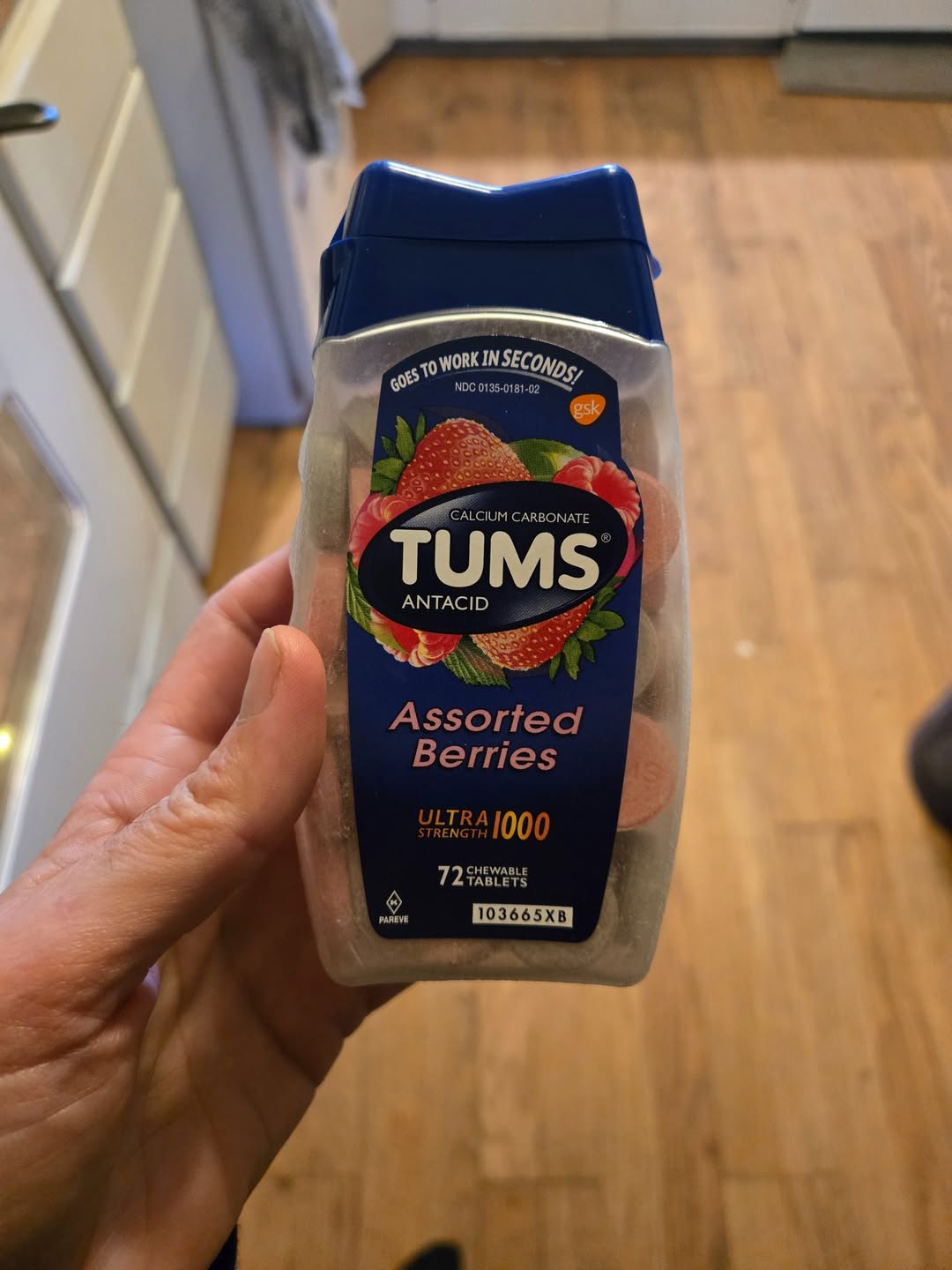
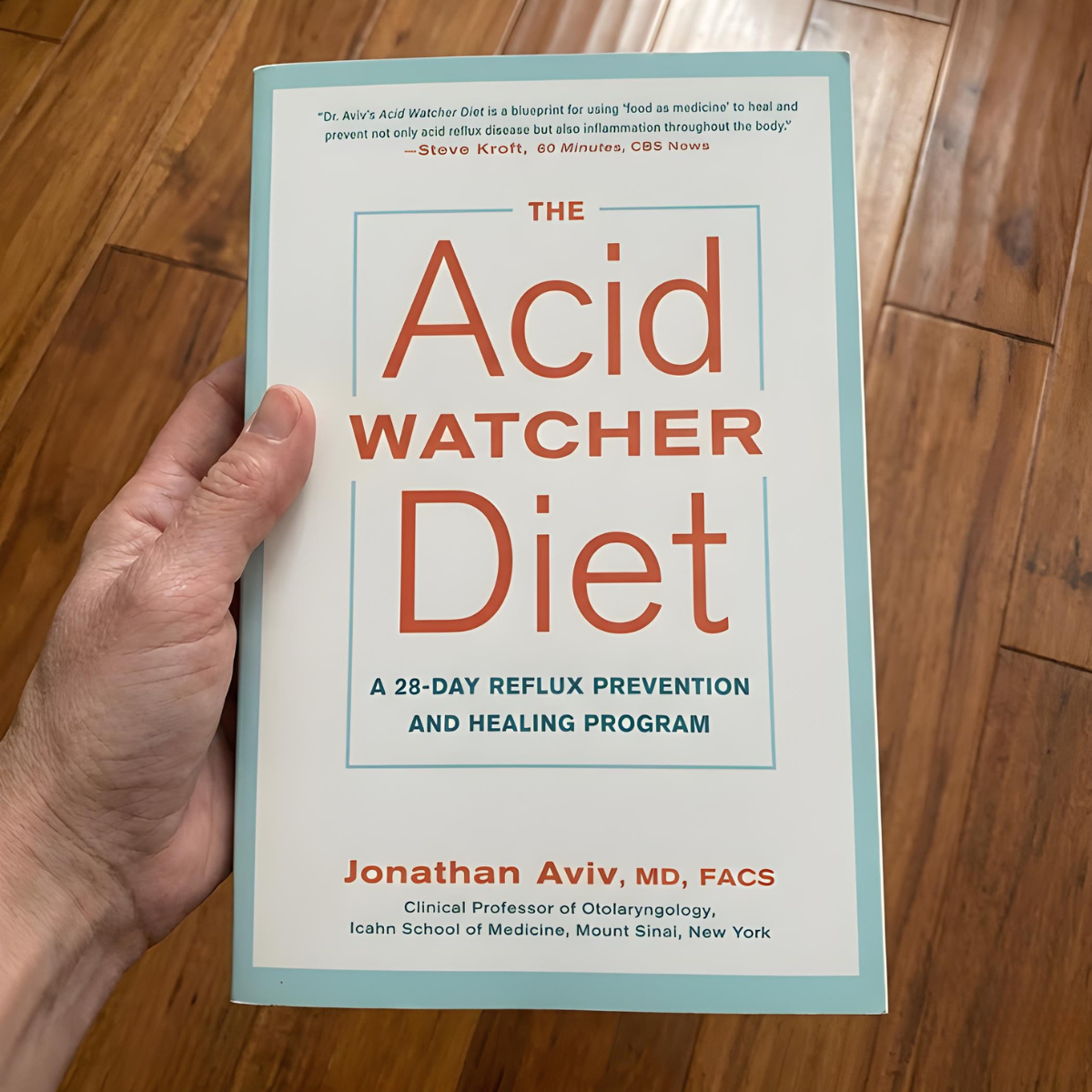
I cut out coffee, wine, and tomatoes for 3 months. The lump in my throat didn't move. This is what finally fixed it. I need to say upfront: I'm not selling anything. I don't work for any company. I'm a 54-year-old speech therapist from outside Nashville, and I'm sharing this because I spent three years chasing the wrong answer. If one person reads this before going down the same rabbit hole I did, it's worth it. My name is Carol. And for three years, I sounded like I was getting over a bad cold. Every single morning. That thick, cottony feeling at the back of your throat. That thing where you swallow and it doesn't clear. Where you clear your throat and it comes right back, like something is stuck behind your sternum that no amount of water or swallowing will budge. My colleagues thought I was constantly sick. My clients... well, when you're a speech therapist, your voice is your entire credibility. And mine sounded like it belonged to someone who hadn't slept in a week. My GP said post-nasal drip. My allergist ran panels, found nothing significant, put me on Flonase anyway. My ENT scoped me, said mild inflammation, sent me home with a packet about "reflux lifestyle modifications." Twelve pages of things to eliminate. So I eliminated them. No coffee. No wine. No tomatoes. No chocolate. No onions. No mint. I stopped eating after 6 PM. Then 5 PM. Then 4:30. My husband stopped eating dinner with me because watching someone pick at plain rice at 4 o'clock in the afternoon is... it's a lot. I did that for three months. The lump in my throat did not move one millimeter. I went back to the ENT. He prescribed a PPI. Omeprazole, 40mg. I took it every morning for four months. I read about the side effects late at night on my phone, quietly, like I was doing something wrong. Bone density. Kidney function. B12 absorption. My mother has osteoporosis. I'm 54. The math was not comforting. Still the lump. Still the hoarseness every morning. Still clearing my throat on every client call, still watching people's faces do that thing where they can tell you're uncomfortable but they don't know how to acknowledge it. I started researching the way I do when I'm genuinely scared. Not Googling at midnight in a panic. Pulling actual studies. Reading methodology. I spent a lot of time in research databases I hadn't opened since grad school. Here's what I found, and I wish someone had said this to me three years earlier. The lump I was feeling isn't really a lump. It has a clinical name: globus sensation. And for a lot of people, it isn't caused by allergies or postnasal drip or stress. It's caused by a very specific kind of acid reflux that most doctors... they know about it, but they don't always explain it well to patients. It's called Laryngopharyngeal Reflux. LPR. Sometimes called silent reflux. And here's the part that stopped me cold when I read it the first time: you can have LPR without any heartburn at all. The acid never makes it to your esophagus long enough to cause that burning sensation. It travels higher. It reaches the larynx. The back of the throat. The vocal cords. That's the inflammation my ENT saw on the scope. That's the hoarseness. That's the lump that never clears. And the reason the diet didn't fix it? The reason four months of PPIs barely moved the needle? Lying flat. I know. I know how simple that sounds. I thought it sounded too simple too. But I read study after study, and they all said the same thing. The chemistry of what triggers your stomach to produce acid... that matters. But for LPR specifically, the bigger variable is physics. When you lie flat at night, the valve between your stomach and your esophagus... it doesn't have to work very hard to let things through. Acid rises. It reaches your throat. It coats your larynx. Every night, for eight hours. You wake up with that thick, cottony feeling because your throat just spent the night being gently bathed in something it really wasn't designed to handle. A low-acid diet reduces how much acid is produced. But it doesn't change the angle. It doesn't change the physics. You could eat nothing but plain oatmeal and you'd still be lying flat at a zero-degree incline while your body tries to process eight hours of gravity working against you. The clinical recommendation for LPR, the one that actually shows up in the research, is elevation of the upper body during sleep. Specifically around 30 degrees. Not just a tilted pillow. Not stacking three pillows under your head (I'd already tried this. Everyone tries this. It bends your neck, compresses your stomach, and often makes things worse). Full torso elevation. Consistent. All night. Here's where it gets frustrating. I already knew what "wedge pillows" were. I'd seen them in hospital supply catalogs. I'd recommended them to a few patients after neck surgeries. I thought of them as rough foam triangles that smell like a medical supply closet and feel approximately like sleeping on a truck ramp. I bought a cheap one from Amazon. It was exactly that. Hard, hot, and I slid off it within two hours. Woke up flat on the mattress with my neck at a completely wrong angle and a new pain in my shoulder blade that I hadn't had before. The problem with most wedge pillows isn't the concept. The concept is sound. It's the execution. They use foam that doesn't have the density to hold its shape under a person's weight for eight hours. And the covers are these smooth, cooling bamboo fabrics that... well, you put a slope and a slippery surface together and add gravity, and you have a slide. That's not elevation. That's just a more expensive way to end up flat by 3 AM. I kept reading. I found a small company that had apparently been getting mentioned quietly in a few LPR forums I'd been following. Not aggressively marketed. Just people mentioning it in threads, the way people mention something that actually worked for them. Not in a promotional way. More like, "I know this sounds strange but I've been using this thing for four months and I'm finally sleeping." The product is called the Healpurea 2.0. I almost skipped past it. The name didn't tell me much. But I clicked through and started reading the product details with the same skepticism I'd been bringing to everything for three years, and a few things stopped me. The foam specification is different. High-density viscoelastic memory foam. Not the cheap poly-foam that compresses into nothing after six weeks. The kind that actually holds its structure under sustained weight and pressure. It's the same category of material used in medical-grade positioning equipment. I know this because I've worked with hospital equipment suppliers. This wasn't a novelty foam. It was built to maintain the angle. The cover. This is the thing that actually got me. Instead of the smooth bamboo that turns every other wedge into a slide, the Healpurea 2.0 uses a honeycomb-textured knit. I know exactly what this does. It creates friction. Hundreds of tiny grip points against your clothing and your body. Not enough to feel rough or uncomfortable. Enough to work against gravity. Enough that you don't slowly migrate to the foot of your bed overnight. And there's a modular bolster. A detachable half-moon piece that you can position to support the neck, which was my whole problem with the other wedge. The shoulder jams. The neck cranks. The bolster creates a kind of bridge so that if you're a side sleeper... and I am. I have been my whole life. I cannot sleep on my back. A standard wedge pillow was always going to be incompatible with how I actually sleep. The bolster changes that. It was $109. I had spent more than that on supplements alone in the past year. I'd spent far more than that on specialist copays that ended with someone handing me a list of foods to stop eating. $109 for something engineered specifically to address the mechanical problem... I ordered it that night. It arrived four days later. Heavier than I expected. Solid. I set it up, positioned the bolster the way the instructions described, and lay down on my side. I want to be careful here not to oversell this, because I was skeptical and I think you should be too. The first night, I slept. That's the thing I noticed most. I slept the whole night. Didn't wake up at 2 AM to drink water. Didn't wake up coughing. Didn't do that thing where you're half-asleep and half-bracing for the sensation that wakes you up most nights. The second morning I woke up and made coffee out of habit before I realized: the lump wasn't there. I mean, it was faint. It was still there a little. But that thick, heavy cottony feeling that usually sat in the back of my throat for the first two hours of my day... it was barely there. By the end of the second week I had stopped clearing my throat on client calls. My husband noticed before I said anything. We were having dinner and he just looked at me and said, "You haven't done the throat thing once today." He was right. I hadn't tracked it because I'd stopped noticing it, which is its own kind of remarkable. When something's been background noise in your life for three years, you don't notice when it disappears. You just notice, eventually, that the room is quieter. I went back to my ENT six weeks later. Not because my symptoms had returned. Because I wanted documentation. He scoped me again. Looked at the same vocal cords he'd looked at eight months earlier when they were inflamed and angry. He was quiet for a moment, which is how I knew before he said anything that the images were different. "Whatever you changed," he said, "your larynx looks like a different patient." I told him about the elevation. About the research I'd read. About the friction-grip cover and why the standard wedge hadn't worked. He listened. He pulled up some of the same studies on his computer. "I should be recommending this before medication," he said. Which was validating, and also a little maddening, but mostly validating. I want to answer the objection I would have had three years ago, because it's probably the one you have right now. "I move around too much in my sleep. I'll just end up at the bottom anyway." So did I. That's exactly what happened with the first cheap wedge. But the sliding is a surface problem, not a sleep problem. The honeycomb texture doesn't let you slide the same way. I'm a restless sleeper and I wake up in the same position I fell asleep in, elevated, neck supported, not crumpled at the foot of the bed with a new set of complaints. That surprised me more than anything. It has now been five months. I take no PPIs. I eat tomatoes. I had wine last month at a friend's dinner party for the first time in a year. My voice in the morning sounds like my voice. Not like someone else's voice, not like I'm recovering from something. Like me, at 7 AM, before my first cup of coffee. I am a speech therapist. I have spent twenty-plus years thinking about the mechanics of the human voice and throat. I should have gotten here faster. The answer to what was destroying my voice every night was not a prescription or a dietary restriction list. It was a mechanical problem that needed a mechanical solution. Physics, not chemistry. The product is called the Healpurea 2.0 Sleep Pillow. I'll leave a link below. You can also just search for it. I'm not affiliated with them, I don't earn anything from this post, and I'm not asking you to take my word for it. I'm a researcher by training. I'd rather you read what I read and arrive at your own conclusion. But if you've been clearing your throat every morning for longer than you can remember, if you've had the lump, if you've tried the diet and the pills and had some version of the conversation I had with my ENT... it might not be allergies. It might just be gravity. And gravity is a much more solvable problem than it sounds.
Read This If You Can’t Stop Clearing Your Throat ☝️
This pillow is crafted with bespoke craftsmanship, using only the highest quality, premium high-density memory foam sourced from trusted suppliers. Each pillow is carefully designed for optimal comfort and support, ensuring durability and a luxurious sleep experience.Regarding product's dimensions,....
LEARN MORELike this ad? Make it yours.
Crush rebuilds this exact creative around your product — your brand, your colors, your offer — in about a minute.