Michael Anderson, PhD.
Michael Anderson, PhD. Facebook ad: “Stable Scans Don't Mean Your Symptoms Can’t Be MS”
Ran for 11 days, from August 14 to August 25, 2026, the last day Crush saw it.
Run by Michael Anderson, PhD. on Facebook. Crush is not the advertiser and does not verify its claims. See this ad in Meta's Ad Library(opens in a new tab)
Want an ad like this for your product?
Crush makes new ad images for your product from this ad: your logo, your product photo, your offer.
Trials from $19.95 USD, then $79.95 USD a month. Cancel anytime.
About this ad
- Meta Ad Library ID
- 904113122754378
- Platforms
- Facebook, Instagram and Messenger
- Relaunches
- 1
Ad text
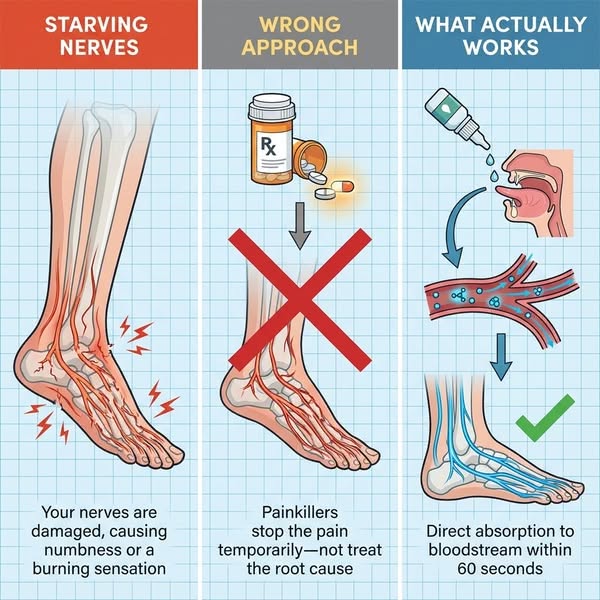
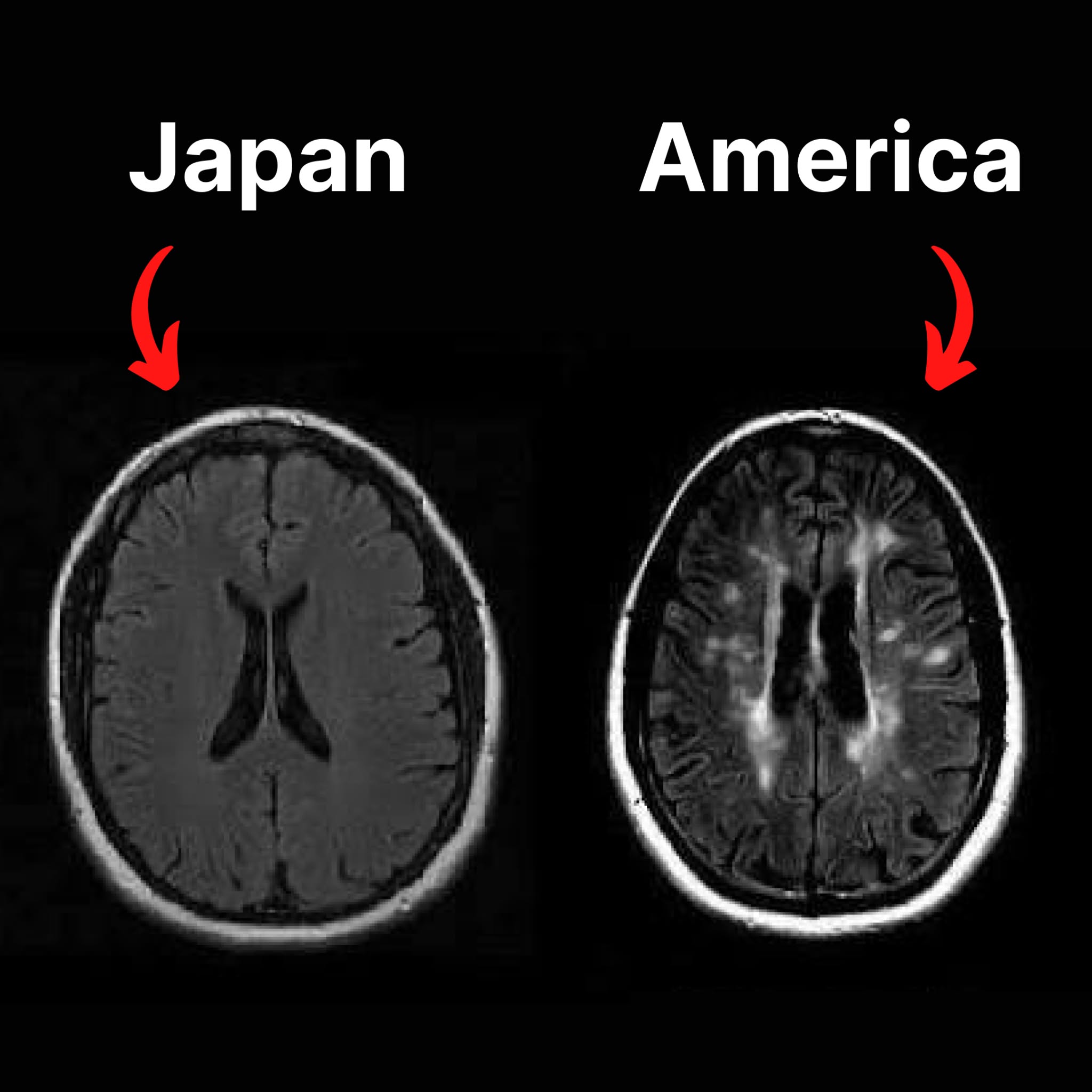
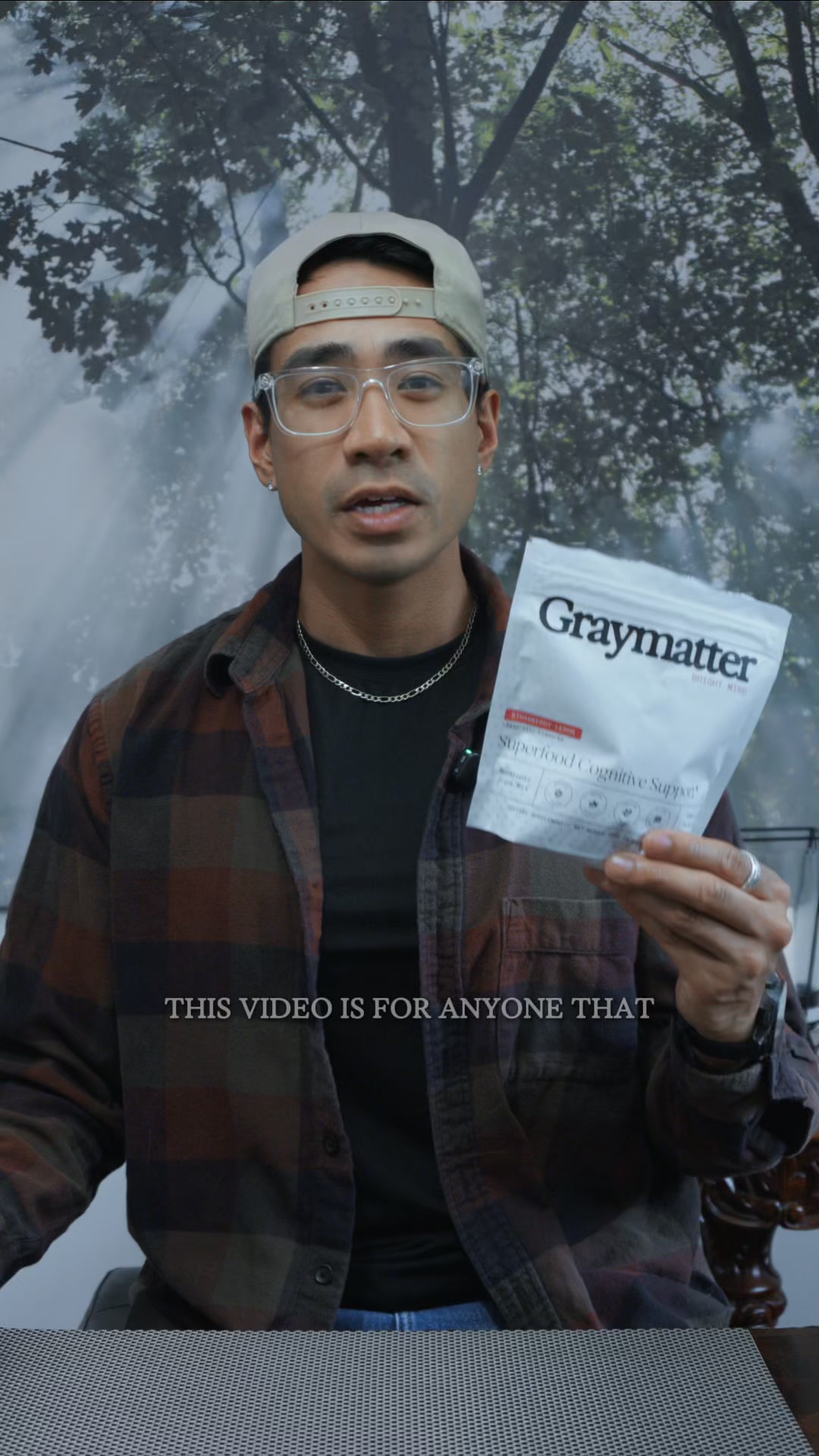
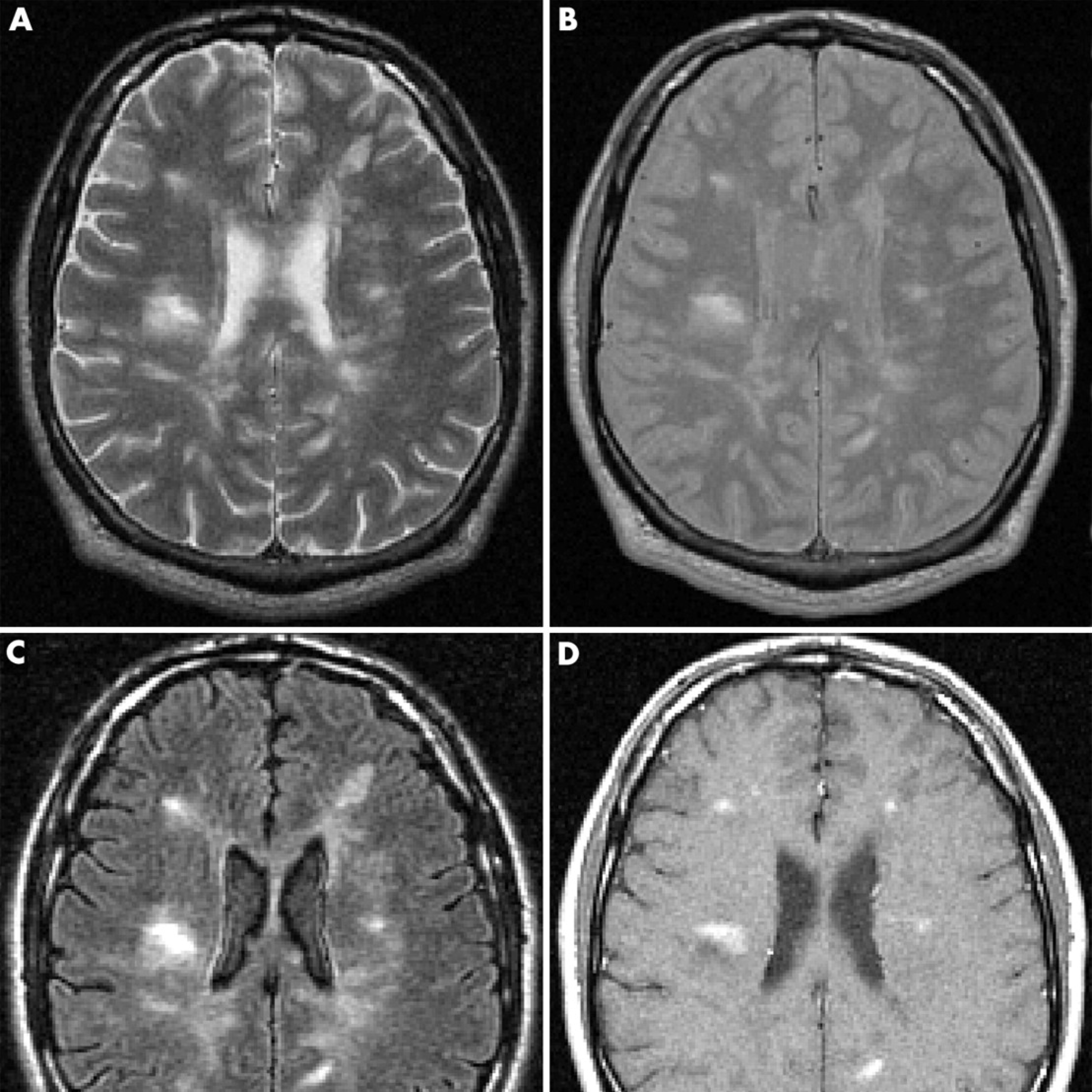
The most dangerous thing about your MS isn't a flare or a relapse. It's the word “stable”. MS can be called a silent progressive disease for a reason. By the time a lesion is big enough to show up on an MRI, the myelin around those nerves has been coming off for years. I've spent 18 years watching people find out too late. I'm Dr. Michael Anderson. I've been a neurologist for 18 years. I've watched patients lose a little more function each year. I've seen people get fitted for rollators when they were only in their sixties. I've sat across from patients and explained what MS takes from a person. I've watched a woman grip the armrests of her chair when I showed her the scan and it read stable, and she'd fallen twice that month. Every single one of them had missed the real warning. Not because they weren't paying attention. Because nobody had told them what was actually making them worse. And by the time it showed itself, there was a lot they couldn't get back. Here are the things most people dismiss until it's too late. A scan that comes back stable while you keep getting worse. You've been through Copaxone, Tecfidera and Tysabri, and hospitalized twice after falls. But you're still told your symptoms can't be the MS, because the MRI is stable. Numbness and weakness that settle into your hands, your legs, your feet. A grip that drops things. You put it down to getting older. A mental fog that you deal with every afternoon. You lose a word mid sentence in front of people who love you and watch them glance at each other. Everyone slows down eventually, you tell yourself. And a bone deep fatigue that sleep doesn't touch. You wake up after eight hours feeling like you slept two. Any one of these is your body telling you something. Most people blame age. They blame stress. And their neurologist tells them to keep an eye on it. I know what keeping an eye on it looks like from my side of the desk. It looks like annual MRIs documenting no change in neat little rows while the myelin is silently deteriorating between appointments. It looks like a walk time that gets a little slower every visit while everyone agrees the scans are stable. It looks like the conversation I've had nine hundred times that starts with "I wish we'd caught this sooner." We did catch it. We'd been watching it for years. We just weren't looking at the right thing. I said those exact words, "your scans are stable, we'll keep watching it," to nine hundred patients over eighteen years. Then I said them to my brother. Ronald is three years older than me. On an infusion for twelve years. Active. Disciplined. The kind of man who built furniture in his garage on weekends. Bookshelves, side tables, a rocking chair for his first grandchild. Precise work. The kind that requires steady hands and four hours on your feet. He followed every instruction I gave him, because his little brother is a neurologist and he trusted me completely. He was on Ocrevus. Never missed an infusion. Followed the Wahls protocol. Physical therapy twice a week. His neurologist had moved him up to a stronger drug when the last one stopped working, the standard next step. Everything by the book. Everything I would have recommended to any patient. I monitored him personally. Every visit. Every six months to a year I pulled up his chart, reviewed his exam, checked his scans against the last set. His timed 25-foot walk at the first check was 6.9 seconds. Slower than it should be, but nothing alarming. A year later, 7.6. The MRI was unchanged. Ronald called me on a Saturday afternoon about two years in. "I tried to get back to the garage today." His voice was flat. "Got the table saw set up. Pulled the cherry boards off the rack. Forty minutes in, the right leg gave out. I thought I'd caught my boot on the extension cord. I hadn't. Right hip flexor first. Then my foot. Four steps from the bench and the leg would not hold my weight, and I went down against the wall and sat on the concrete." He paused. "I'm not going back out there until I know the leg won't give out again. It isn't safe." His walk time at that visit was 8.4. I told him what I told every patient. Your scans are stable. There's no new activity. Stay on the infusion. Let's add a third day of physical therapy. Recheck in six months. At the three year mark, I pulled up his chart and his walk time was 9.3. The threshold where the conversation changes. Where watching becomes fitting him for a rollator. I stared at the screen. I'd watched that number climb from 6.9 to 9.3 in three years. Every scan documented. Every appointment noted. Every prescription and every therapy session ordered according to the guidelines I'd followed my entire career. And he was sitting across from me. My brother, in my exam room, in my department, waiting for me to tell him what to do next. The way he'd trusted me to do for three years. The way nine hundred patients before him had trusted me to do. I couldn't say "your scans are stable, we'll keep watching it" again. Not to him. Not with 9.3 on the screen and a man who'd fallen in his own garage. That night I did something I hadn't done since residency. I sat at my kitchen table with my laptop and I went looking for what I'd missed. Not what the guidelines said. Not what the textbooks recommended. What I had missed. I typed: "MS symptoms worsening with stable MRI, mechanism." What came back changed everything I thought I understood about MS. A paper in a neurology journal I subscribe to. It cited fourteen studies I had never read. Fourteen. In a journal that arrives at my office every single month. The paper wasn't about the attacks at all. It was about repair. I called Dr. Yoko Hinohara the next morning. She runs a remyelination research lab. In case that's new to you, it's a lab that studies how to repair the protective coating that surrounds nerve fibers in the brain and spinal cord. I told her what I was seeing. The walk time climbing despite the Ocrevus, despite the Wahls protocol, despite three days a week of physical therapy. I told her about Ronald. She was quiet for a moment. Then she said something I've never forgotten. "Michael, you've been counting lesions. Not measuring myelin." "What do you mean?" "The scan finds lesions. That's what it was built to find and it's very good at it. It cannot see myelin. Let me back up. Myelin wears and gets replaced, the same as skin and bone. His body rebuilds it every day. Repair cells lay new coating over the bare stretches of nerve. That's how it's supposed to work." "I know what myelin is, Yoko." "I know you do. But you were taught the wrong reason it fails. Too many attacks, so you suppress the immune system. An attack problem, an attack fix. That's what all of us learned." She paused. "An MRI is not a microscope. It photographs scar tissue in clumps. It cannot see myelin. Not myelin thinning across a whole region, and not nerve fibers dying one at a time. There's a name for the parts of his brain that come back white and healthy on that scan. Normal appearing white matter. It isn't normal. The myelin in it is thinning. And no scan he has ever had would show you. The old lesions don't heal either. The myelin they stripped is still off. The edges keep burning. They take the myelin next to them. A little more every year. And it never registers as a new lesion. Because it isn't one. That's the damage. That's the disability. Not the lesion count." Not new attacks. Old damage that never stopped and never healed. There's a name for it in the research. Progression independent of relapse activity. "His body is trying to rebuild all of it, every day," she said. "Rebuilding myelin takes two things inside the cell. Material, and energy. A bare nerve uses far more energy to carry a signal than a coated one does. So the demand goes up, and the same cell still has to do the rebuilding with what's left. The repair slows. The damage doesn't. Every stretch left bare costs more, so there's less for rebuilding, so more stays bare. Once it's running it's very hard to slow down. That's the slope you've been documenting for three years. You've been calling it the natural course." I thought about every patient I'd ever told "your scans are stable." Every chart showing a walk time I'd watched climb and called inevitable. It wasn't the natural course. It was damage the scan was never able to show me. And I'd spent eighteen years never once looking for it. I asked her about the infusion. "His infusion suppresses the immune attack. That's real, and the new lesions stop, which is worth having. But no disease modifying therapy rebuilds myelin. Not one of them. Not his, not any of the others. The drug stopped the new attacks. It never touched the old damage. That has been spreading the whole time, under a scan that had no way to see it." I'd read Ronald's scans myself. Every one of them. Told him the infusion would protect him. Then Yoko said something I wasn't ready for. "And before you ask about vitamin D or the diet or physical therapy, they don't do this job. Vitamin D affects his relapse risk. The diet takes inflammatory inputs out. Physical therapy is genuinely useful, but it doesn't put myelin back on a nerve. Every one of them works somewhere else. Not one of them puts material and energy inside the cell that has to do the rebuilding." One infusion suppressing his immune system. And the damage spreading underneath it had never once appeared on a scan I reviewed. Because I'd never looked. Because nobody had told me to. Stopping the attack and getting a clean MRI isn't the same as rebuilding the myelin. I asked her what supports that repair inside the cell. "Three vitamins," she said. "B1, B6 and B12. In the nerve regeneration research they're called the neurotropic vitamins, because they act on nerve tissue specifically. They're the three your body already rebuilds myelin with. In the research, when all three were taken together, they were 26 times more effective than any one of them taken alone. Not 26 percent. 26 times." Then she said the part I wasn't expecting. "And here's what the three of them do. B12 is the material the coating is made from. B1 is the energy that lets the repair cell use it. Material with no energy and the cell can't lay anything down. Energy with no material and it has nothing to lay. And once the coating is rebuilt, B6 is what keeps the signal running down it clean. Take one on its own and you have supplied one part of a three part job. And almost nobody takes them that way." I sat with that. One thing went after the damage the scan couldn't see. The myelin his body had been failing to replace for three years. That was what his infusion was never built to do. The drug on the attack. This on the damage. Both halves, for the first time. Then I caught myself. "Yoko, patients bring me B vitamin supplements they bought from Amazon and Walmart all the time. It's one of the most common things anyone with a nerve problem tries. Half of them read it on a forum." "Those bottles are exactly what you think they are," she said. "A B complex is made for people who are a little low on B vitamins. That's all it's for. Cheap synthetic forms with very poor bioavailability, at maintenance amounts, in a format that never reaches the nerve. You'd be handing him a pill his nerve cells never see. That's not what I'm describing. I'm describing all three, in the natural forms, at the doses used in the research, in a delivery format that gets inside the cell." "Why does the format matter that much?" I asked. "Because a pill dissolves in his gut and whatever survives ends up in his blood. The repair happens inside the nerve cell, and what reaches the blood still has to cross into the cell to be used. Most of it never does. That's why his B12 level can read normal on a blood test while the repair cells are still short of B12. There is one format that solves it. Liposomal. The vitamins are sealed inside a tiny sphere built from the same material as a cell membrane. When it meets a nerve cell the two fuse and the vitamins are released inside. It absorbs faster, and it's 2 to 3.5 times more bioavailable. Same three vitamins. A completely different amount arriving inside the cell." Published. Peer reviewed. The kind of research that should have been on my desk years ago. I ordered a B complex that week. Highly rated. Thousands of reviews. Four and a half stars. I gave it to Ronald myself. He took it every day for six weeks. Didn't miss a dose. I timed his walk. 9.2. One tenth of a second off 9.3. Inside the margin of the last three checks. Essentially unchanged. The numbness was the same. The fog was the same. He still wasn't going to the garage. I showed him the stopwatch. Long pause. "So it didn't work." Not a question. I told him I was going to find out why. He said "okay" the way people say okay when they've stopped expecting anything. I recognized that tone too. I'd heard it from patients who'd quietly decided their body was just going to keep getting worse. I closed the laptop. Opened it. Stared at the wall above the screen for a long time. The research was clear. Material and energy inside the cell, all three together. The repair catches up, and the walk time comes down. This should have worked. So I asked the same question I should have asked three years earlier. Not "do the neurotropic vitamins work?" The research already answered that. "Why isn't THIS bottle working?" I took it to the kitchen counter and read the panel line by line, the way I read a chart. Vitamin B12, as cyanocobalamin. 5000 micrograms. The dose was there. The form wasn't. Cyanocobalamin is the synthetic version, cheap to source, which is why they can print a number that big on the front. The natural form is methylcobalamin, and it wasn't in the bottle. Then I looked for the other two. B1 and B6 were in there in the synthetic forms as well, at amounts set to prevent a deficiency. Nowhere near the clinical doses used in the research for myelin repair. The amounts were inside a proprietary blend, where nobody can check them. And nowhere on the bottle, nowhere on their site, was there a word about how any of it was supposed to get inside a nerve cell. No delivery format. Just a pill. No third party testing either. No independent lab. No proof of what was actually in it. I had bought it because the label said nerve support and it had four and a half stars. I never looked at the fine print. I'd given my brother a maintenance dose of the cheapest form there is. I'd given him almost nothing. The equivalent of writing a prescription for a fraction of the dose, in a form that doesn't absorb, and wondering why the walk time wouldn't move. I spent the next three days going through every B vitamin product on the market. I stopped grading them on stars and reviews and graded them on four things. The forms. Methylcobalamin for the B12. P-5-P for the B6. Benfotiamine for the B1. The three together. All three, at the doses used in the research, in the ratio the research used. The delivery format. Liposomal, so the vitamins reach the inside of the nerve cell where the myelin is rebuilt. The testing. Third party tested, every batch, for purity and for potency. I eliminated them one by one. Cheap synthetic forms. Right forms but only one of the three. All three but two of them at maintenance amounts. Right doses but a plain pill. Everything right on the panel but no independent lab testing. One brand met all four. Nuvel. All three neurotropic vitamins, B1, B6 and B12, in the natural forms. At the clinical doses used in the research. Liposomal delivery format. No fillers. Third party tested every batch for purity and potency, with the results available to anyone who wants to read them. Before I gave it to Ronald, I did the one thing I should have done with the first bottle. I read the panel the way I read a chart. Three vitamins, named individually, in their natural forms, at doses I could match line by line against the studies on my desk. The liposomal delivery format, stated on the label instead of left out. A batch number I could look up. That was what the research was describing. And that was what I had never once given my brother. He started it on a Wednesday morning. A liquid drop under the tongue. He stayed on his infusion, exactly as prescribed, and I want to be clear that he never stopped it and I never asked him to. I told him the truth up front. You won't feel this the way you'd feel a painkiller. Myelin rebuilds slowly. We'll see progress through all the different tests. Give it four weeks minimum. The first thing to improve was the fatigue. Two weeks in he told me he'd stopped needing the afternoon lie down. The fatigue was still there, he said. It just wasn't stopping him from getting through the day. That's the energy side, and it's the first thing to change, because the cell gets its energy back before it has enough to spare for rebuilding. By the end of the third week the numbness in his feet had eased. He could feel the floor under him again. Six weeks in, I timed him. I stopped the watch. Started again. Timed him twice more. Different number. First time in three years, a different number. 8.1 seconds. Down from 9.3. I read it twice to be sure. I took that stopwatch record to Ronald's neurologist myself. Real numbers, moving the right way for the first time in three years, with an MRI that said exactly what it had always said. Nothing new. She kept him on the infusion, which was right, and she started charting the walk time next to the scan at every visit. Week eight, Ronald called. "I went out to the garage today." Almost casual. Like he was mentioning the weather. "Didn't build anything. Just stood there for a while. Looked at the wood." He paused. "I stood for an hour and twelve minutes. I timed it." I had him come in at 90 days. I ran the walk three times and took the average, the way it's supposed to be done, on the same stopwatch I'd been timing him with for three years. 7.2 seconds. Holding. Down from 9.3. Three years of watching that number climb, reading stable scans, writing "recheck in six months." And for the first time, the number moved the other direction and stayed there. The numbness hadn't come back. The fog hadn't come back. I turned the watch around so he could see it. "You're at 7.2." Silence. "It came down?" "It came down. You're back under the number where they start talking about a rollator." He let out a long, slow breath. "I'm going to finish that bookshelf," he said. I called Yoko that evening and told her his numbers. She was quiet for a moment. "Now imagine if we'd known this eighteen years ago." I've imagined it. Every day since. Since Ronald, I've recommended it to fourteen of my own patients. Eleven of them have come back with the same two words I hadn't heard in eighteen years of stable scans. "It's improving." Not stable. Improving. If you've been called stable while you kept getting worse, if you've got the numbness, the legs that give out, the fog, the fatigue that sleep doesn't touch, don't wait for the next MRI to tell you nothing has changed. Your body is telling you something. The scan cannot see the myelin degrading. It never could. Stable means no new lesions. It does not mean the damage is being repaired, because nothing you have been given repairs it. Try it risk free. 90 day money back guarantee. Full refund, no questions asked. If your walk time doesn't move, if the numbness doesn't ease, if you feel no difference in 90 days, you pay nothing. Every penny back. Ninety days is also the honest window. Six weeks isn't a trend. Myelin that's been coming off for years doesn't rebuild in a week. Here's what happens when it works. The fatigue goes first. Then the hands. Then, somewhere in the third month, you notice you crossed a room without thinking about how you were going to do it. Somewhere in there, the thing you gave up starts calling you back. And at your next appointment, the one where your neurologist has been writing "clinically stable, no new lesions, recheck in a year" since you were diagnosed, she walks you down the hall and times you. Stares at the stopwatch. Looks at you. Back at the stopwatch. "This is better. What did you change?" A liquid drop under the tongue. Every morning. That's the whole protocol. Ronald finished that bookshelf last month. Cherry wood. First one in two years. He sent me a photo. I have it on my phone. Your body has been warning you. Now you know what it's been saying. And you know what to do about it. 👉 https://trynuvel.com/products/vitamin-b-complex-liposomal Dr. Michael Anderson, MD, Neurology, 18 years P.S. I want to be clear about something. I'm not telling anyone to stop their DMT. The infusion matters. It's holding the immune attack down, and that is real and it is worth having. What I'm telling you is that no DMT rebuilds myelin. Not one of them. Nobody has been addressing the repair side, the material and the energy your cells need to rebuild the coating every single day. This doesn't replace your infusion. It does the job your infusion was never built to do. I gave it to my own brother before I recommended it to a single patient, and he stayed on his infusion the entire time. I gave him the wrong bottle first, a maintenance dose of the cheapest form there is, and I watched it fail. Then I found the right one and watched his walk time come down for the first time in three years. Ronald is the reason I trust it. Talk to your neurologist. Bring them your walk times. Let the numbers do the talking, and let your doctor be the one to adjust anything you're taking. P.P.S. Let me set your expectations honestly, because the cheap products lie about this. You won't feel anything in the first twenty minutes, and you won't feel your myelin rebuild the way you'd feel a stimulant, because this isn't a stimulant and it isn't a drug. What you're doing is putting the material and the energy back inside the cells that rebuild the coating, and that takes time. Here's the order it usually comes in. Energy first, because the cell gets its energy back before it has enough to spare for rebuilding. Then sensation, the numbness and the grip. Walking last, because those nerves are the longest in your body. The walk time is the honest proof, which is exactly why the guarantee runs a full 90 days. And here's how you know you got the real thing in the meantime. Read the panel. All three named separately, in their natural forms, at doses you can match against the research, with the delivery format printed on the label and a batch you can look up. If it says cyanocobalamin, if the other two are hiding in a proprietary blend, if there's no word anywhere about how it gets inside a cell, that's the aisle bottle. That's what I gave my brother. P.P.P.S. It works the same way regardless of which MS you have. Relapsing, secondary progressive, primary progressive. The myelin comes off the same way in all of them and it gets rebuilt the same way in all of them, and the repair needs the same material and the same energy no matter what letters are on your chart. If your scans keep coming back stable while you keep getting worse, this is for you. P.P.P.P.S. Nuvel is a small company and they sell out. Everything is made in small batches on purpose, because that's what protects a liposome, and you can't rush a small batch to catch up with demand. When a batch is gone it's a wait for the next one. Ronald had to wait nine days for a restock after his first bottle. Right now they have a buy 3 get 2 free offer running. Three months for you, and two for the person you've been thinking about the whole time you've been reading this. The cost of 90 days is less than most people spend on a single specialist copay. And unlike your copay, this one comes with a money back guarantee. If your next neurology appointment is in 30 to 60 days and you want to walk in with a walk time that moved instead of another year of stable, check availability now. Ronald waited three years under my care before I found the right answer. Don't wait because your doctor hasn't found it yet either. P.P.P.P.P.S. Don't forget about the 90 day money back guarantee. Full refund, no questions asked. 👉 https://trynuvel.com/products/vitamin-b-complex-liposomal
Where the ad sends people
trynuvel.com
Stable Scans Don't Mean Your Symptoms Can’t Be MS
Clinical-grade dosed formula proven in studies
Learn more: trynuvel.com(opens in a new tab)