Dr. James Kreischer - Trichologist, MD
Dr. James Kreischer - Trichologist, MD Facebook ad: “Dermatologist Discovers Peptide Breakthrough That…”
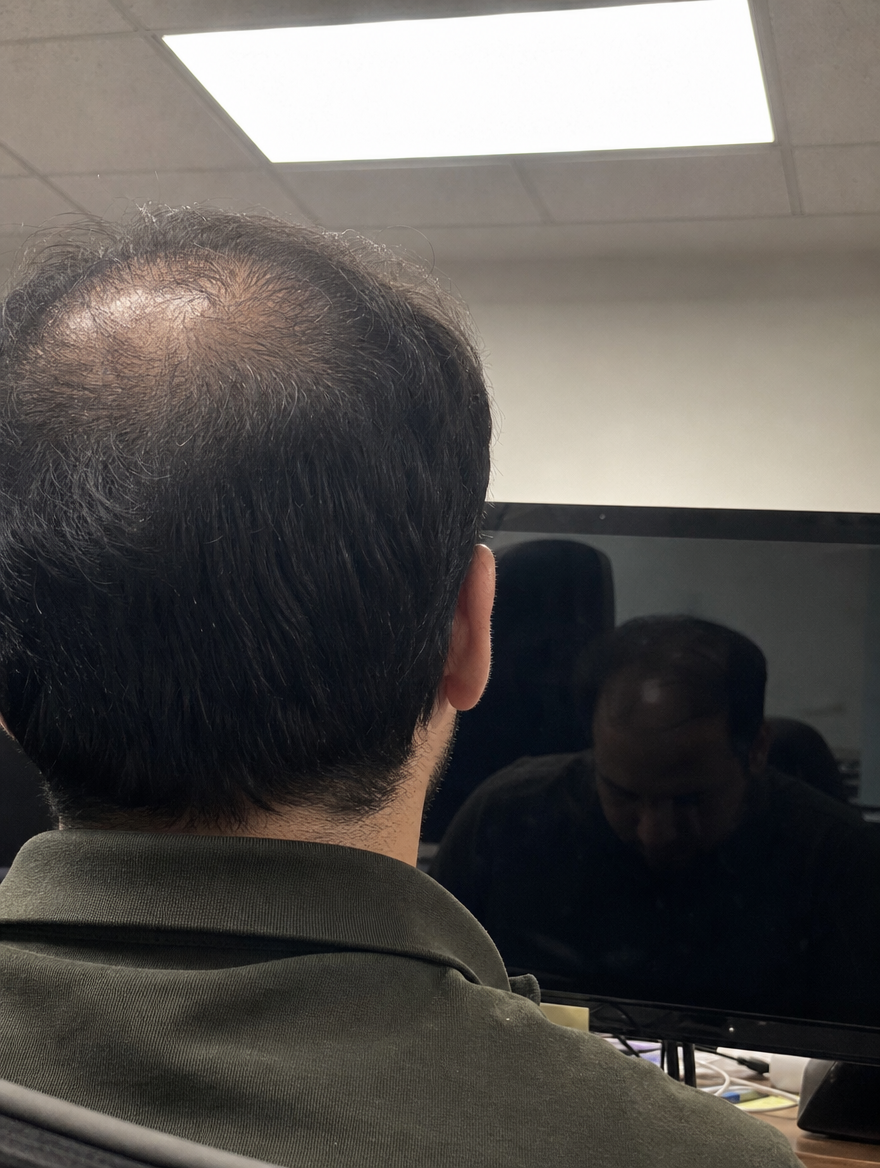
Ran for 23 days, from June 1 to June 24, 2026, the last day Crush saw it.
Run by Dr. James Kreischer - Trichologist, MD on Facebook. Crush is not the advertiser and does not verify its claims. See this ad in Meta's Ad Library(opens in a new tab)
Want an ad like this for your product?
Crush makes new ad images for your product from this ad: your logo, your product photo, your offer.
Trials from $19.95 USD, then $79.95 USD a month. Cancel anytime.
About this ad
- Meta Ad Library ID
- 920111391033880
- Platforms
- Facebook, Instagram, Audience Network, Messenger and Threads
- Relaunches
- 0
Ad text
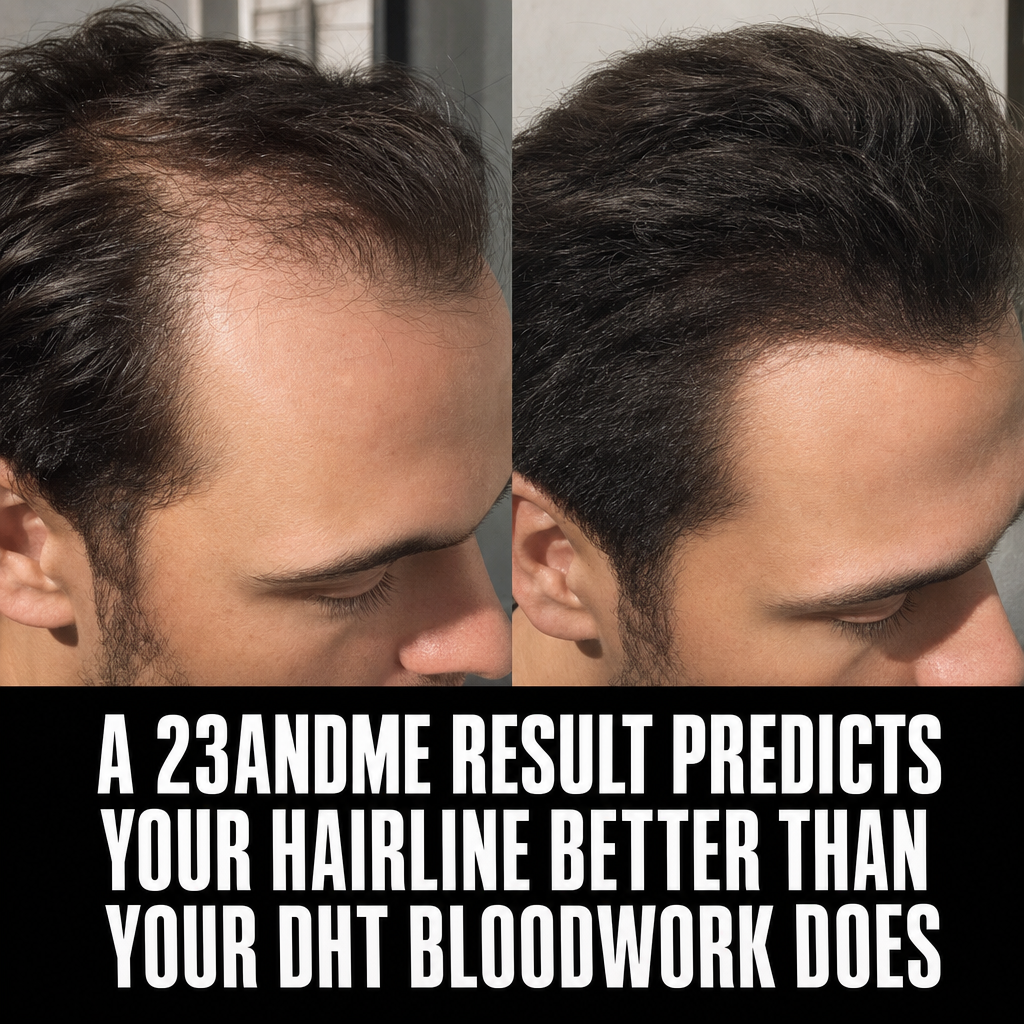
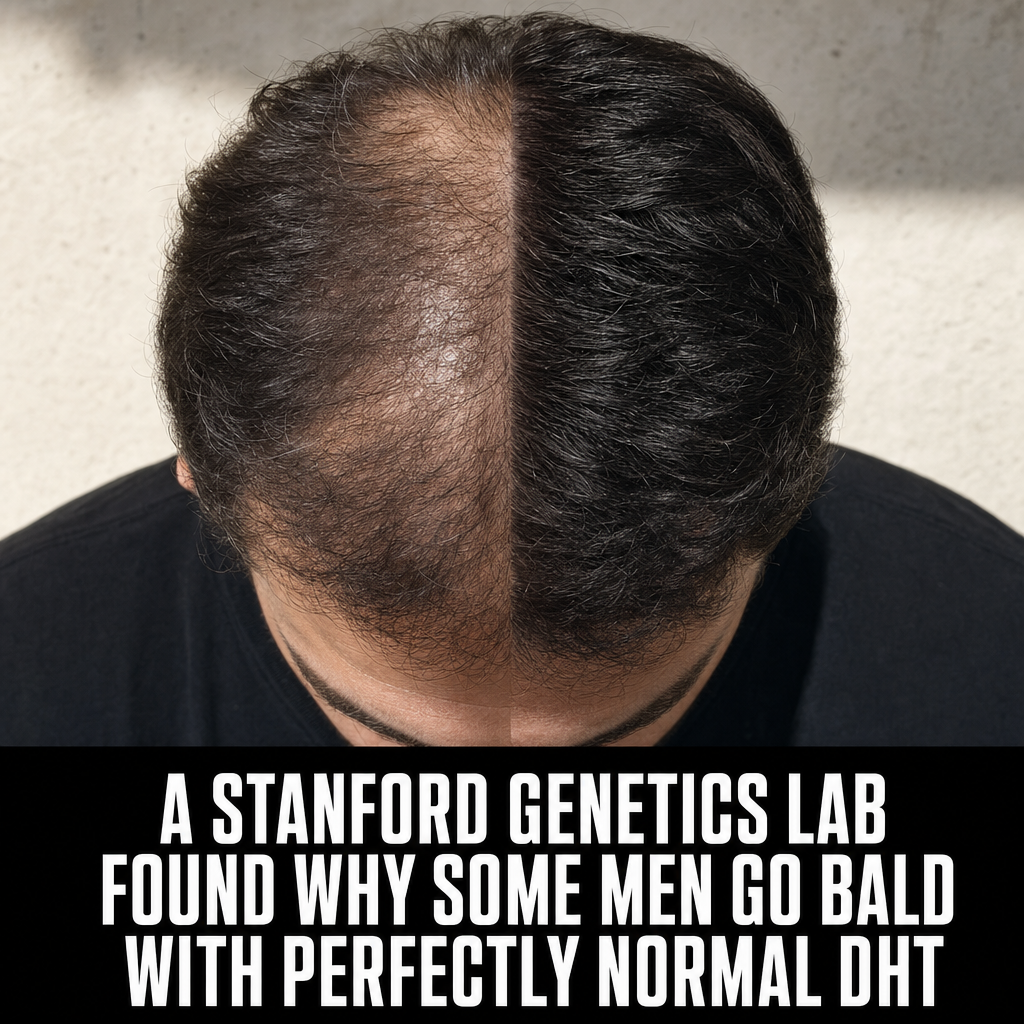
If your hair has been thinning for years and you're sitting there reading articles like this one trying to figure out what's actually going on, I want you to do a quick honest inventory with me. Tell me how many of the following you've noticed in the past six months. The top of your scalp feels tight, full, or heavy — like the skin up there doesn't move the way the skin on the back of your head does. You've been on finasteride for over a year. Your DHT is suppressed on bloodwork. And the crown is still thinning. Your hair never feels rooted anymore. You run your hand through it and the strands feel fine and fragile, like the follicle has less behind it than it used to. You can see your scalp in any photograph with a flash or any selfie taken under direct overhead light. The hair on the back and sides of your head is thick and dense — but the top is getting thinner and more transparent every season. You added dutasteride. You added oral minoxidil. You stacked everything. And the photos still get worse every six months. The vellus baby-hairs you used to get from minoxidil have mostly stopped converting into real terminal hairs. The thinning zone on top feels congested and boggy, almost swollen, while the loose skin behind your ears moves freely. You've started to believe what the derm told you — that you're "genetically maxed out" and there's nothing else to try. Sound familiar? I want to tell you what every single one of those symptoms is pointing at, because nobody else is going to. Each of those signals is one piece of the same problem. Wrapped around the base of every follicle is a network of microscopic lymphatic vessels — the scalp's drainage system. Their job is to clear away the inflammatory waste, spent signaling molecules, and excess fluid that build up around a working follicle. Under the chronic inflammation a balding scalp runs, stiff scar collagen builds up around the follicle (perifollicular fibrosis) and compresses those drainage vessels until they regress. And once the drain is clogged, the waste and fluid back up and pool around the follicle, leaving it marinating in a stagnant, congested pocket. A follicle in that environment can't run a healthy cycle — it downshifts, makes a smaller hair, then a smaller one, and eventually goes dormant. That's why the top of your scalp feels tight and full. It's congested — the drain has backed up and the fluid has nowhere to go. That's why the crown keeps thinning even with DHT crushed on bloodwork. Fin lowers DHT, which lowers some of the inflammation. But fin doesn't reopen a vessel scar tissue has pinched shut, doesn't clear waste already backed up, and doesn't remodel the fibrosis. The clog stays under the prescription. That's why your hair feels fine and fragile at the base. A follicle sitting in stagnant waste builds a smaller, weaker shaft. That's why your donor rim stays full while your crown keeps going. The back and sides stay loose and mobile, the drain stays open, and the follicles clear their waste — so they keep their full size. That's why stacking more upstream — dut, oral min, finer dosing — barely moves the needle. You're still lowering one input while the drain stays clogged. That's why minoxidil's baby-hairs stopped converting. Min can push a follicle toward a growth phase, but a follicle still sitting in a congested, waterlogged niche doesn't have the clean environment to carry a new hair to full terminal size. So you're stuck. The hormones are handled. The drain is still clogged. Now here's the part I want to walk you through carefully, because this is what changed everything for the men I've worked with. Where the scalp has thinned but the follicles are still there, this is a reversible state. When you clear the backup, calm the inflammation, remodel the scar tissue compressing the drain, and wake the cells, those follicles can start building real hair again. There are four targeted actives that do this when stacked correctly. The first is the sh-Polypeptide pair — sh-Polypeptide-1 and sh-Polypeptide-11. These signaling peptides reactivate the follicle stem cells still resident in the bulge — the same cells that switch the drain on and off — pushing them back into a productive growth phase. Your follicles aren't gone. The ones still there have gone dormant; these wake them up. The second is the sh-Oligopeptide pair — sh-Oligopeptide-2 and sh-Oligopeptide-10. These structural peptides remodel the stiff, fibrotic tissue around the follicle. Where scar collagen has been compressing the drainage vessels for years, these help rebuild a healthier environment so the drain isn't pinched shut. The third is Arginine. Pure amino acid your body converts into nitric oxide. Nitric oxide opens scalp blood flow and supports vessel tone, helping flush the stagnant fluid and waste out of the congested zone. Without circulation and drainage, the niche stays waterlogged. With it, the follicle gets a clean, fed environment again. The fourth is Botanical Anti-Inflammatory Extracts. Plant polyphenols that quench the perifollicular inflammation that overwhelms the drain and lays down the scar tissue in the first place. They clear the backup at its source so the rest of the system can rebuild. Together, this is a complete system. The peptides wake the cells. The peptides also remodel the tissue compressing the drain. The arginine flushes the congestion. The botanicals shut off the inflammation so the rest of the system can actually heal. If you tried to source these separately, you'd be looking at around $260 a month — about $90 for clean polypeptides, $70 for clean oligopeptides, $40 for pharmaceutical-grade topical arginine, and $60 for a real botanical blend at therapeutic concentrations. Plus you'd be applying four products every day, in the right order, at the right dose, for the rest of your life. Most men can't sustain that. That's why I started recommending FST-5 Peptide Complex, by Richvell. It combines all five peptides, plus arginine, plus the botanical complex, at clinical concentrations, in a single serum you apply once a day. One bottle replaces $260 of separate products. A peptide-research team built it after they took over the older Keapers brand and brought their science with them. Here's the timeline most men see. Around three weeks in, the shedding in the shower starts to thin out, and the hairs that do come loose stop looking so fine and fragile. Around one month, the tight, full, congested feeling on top starts to ease — for a lot of men, the first time in years the crown has felt lighter. Around two months, the structural changes become visible. Real stubble starts coming back along the part and the front of the crown — fine at first, but dark and growing. Your hair holds a style for the first time in years. People around you start telling you that you look good and can't say why. And by three months, you're not chasing anymore. You're maintaining a system that works. A 38-year-old guy named Ben told me last week, "I'd been on fin for four years and the top of my scalp always felt tight and full while it kept thinning. I started FST-5 on a whim. Eight weeks later the crown finally feels lighter, the shedding slowed right down, and there's fine dark stubble coming in along the part. My hair finally looks like it did when I was 30. I'm honestly emotional about this. I was ready to accept that this was just my life now." If any of the symptoms at the start of this hit home — the tight congested crown, the thinning on fin, the fine-and-fragile feeling, the donor rim staying full while the top thins, the min that stopped converting — you owe yourself an honest test. The hormone story alone doesn't explain those symptoms, and the standard protocol alone won't fix them. There's a drainage problem that's been ignored for years, and clearing it is what changes the outcome. Richvell keeps the stock tight on purpose, and they had a 30% off launch promo running on the multi-bottle pack last time I checked. I don't know how long that runs, so if you're going to do it, do it before the price moves. It comes with a 100-day money-back guarantee. If it doesn't work, you don't pay. That's a real window to evaluate the protocol on your own scalp honestly, not a one-week gimmick. Click below. 👉 https://richvell.com/pages/fst5
Where the ad sends people
richvell.com
Dermatologist Discovers Peptide Breakthrough That Reactivates Hair Growth Like You're 17 Again
Richvell FST-5 Peptide Complex helps support thicker-looking hair, reduced shedding, and a healthier scalp with advanced peptide-powered hair care.
Shop now: richvell.com(opens in a new tab)