Carol Goldberg
Carol Goldberg Facebook ad: “My Best Friends Went To Italy Without Me”

Ran for 22 days, from September 9 to October 1, 2026, the last day Crush saw it.
Run by Carol Goldberg on Facebook. Crush is not the advertiser and does not verify its claims. See this ad in Meta's Ad Library(opens in a new tab)
Want an ad like this for your product?
Crush makes new ad images for your product from this ad: your logo, your product photo, your offer.
Trials from $19.95 USD, then $79.95 USD a month. Cancel anytime.
About this ad
- Meta Ad Library ID
- 942180528935008
- Platforms
- Facebook, Instagram, Audience Network, WhatsApp and Threads
- Relaunches
- 0
- EU reach
- 961
Ad text
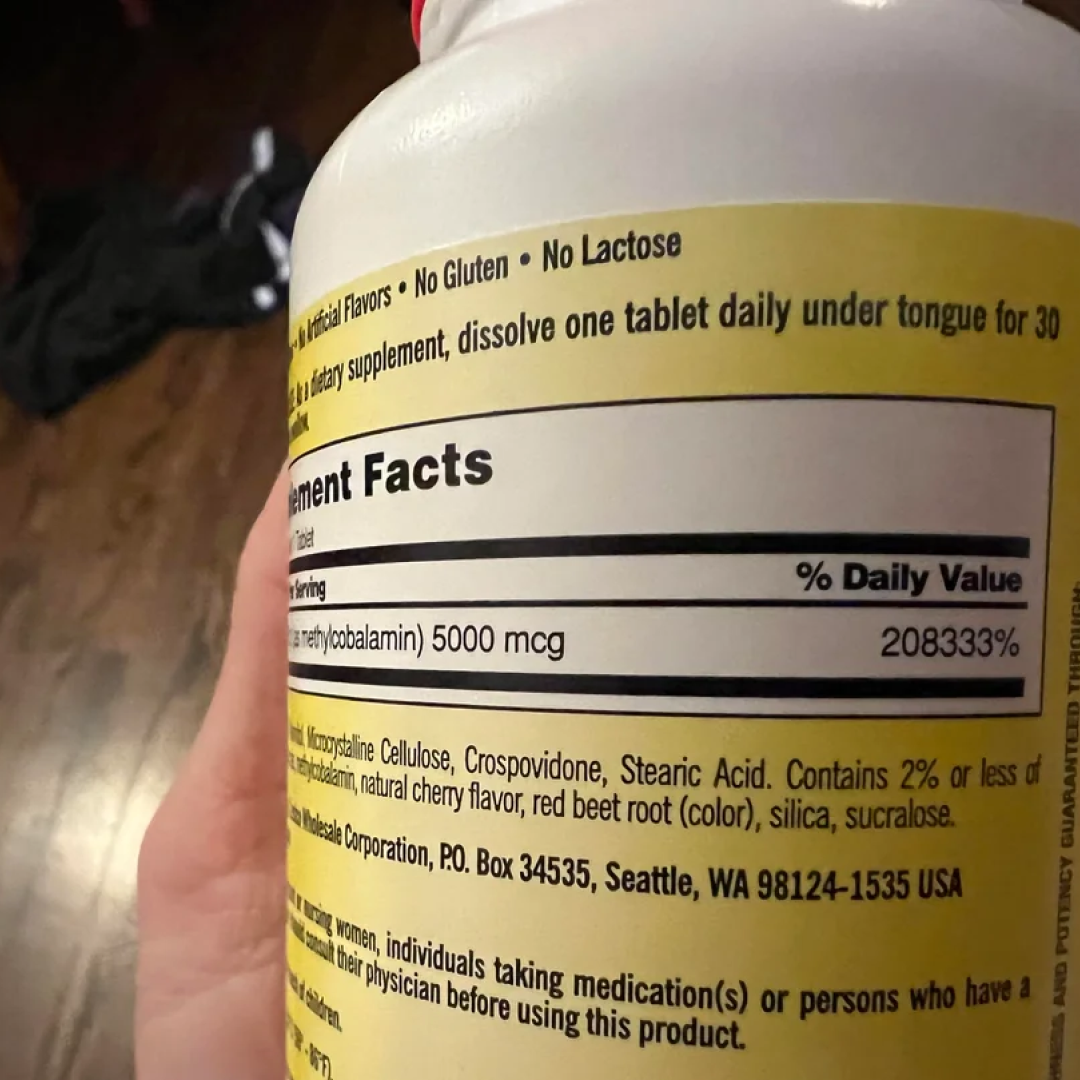
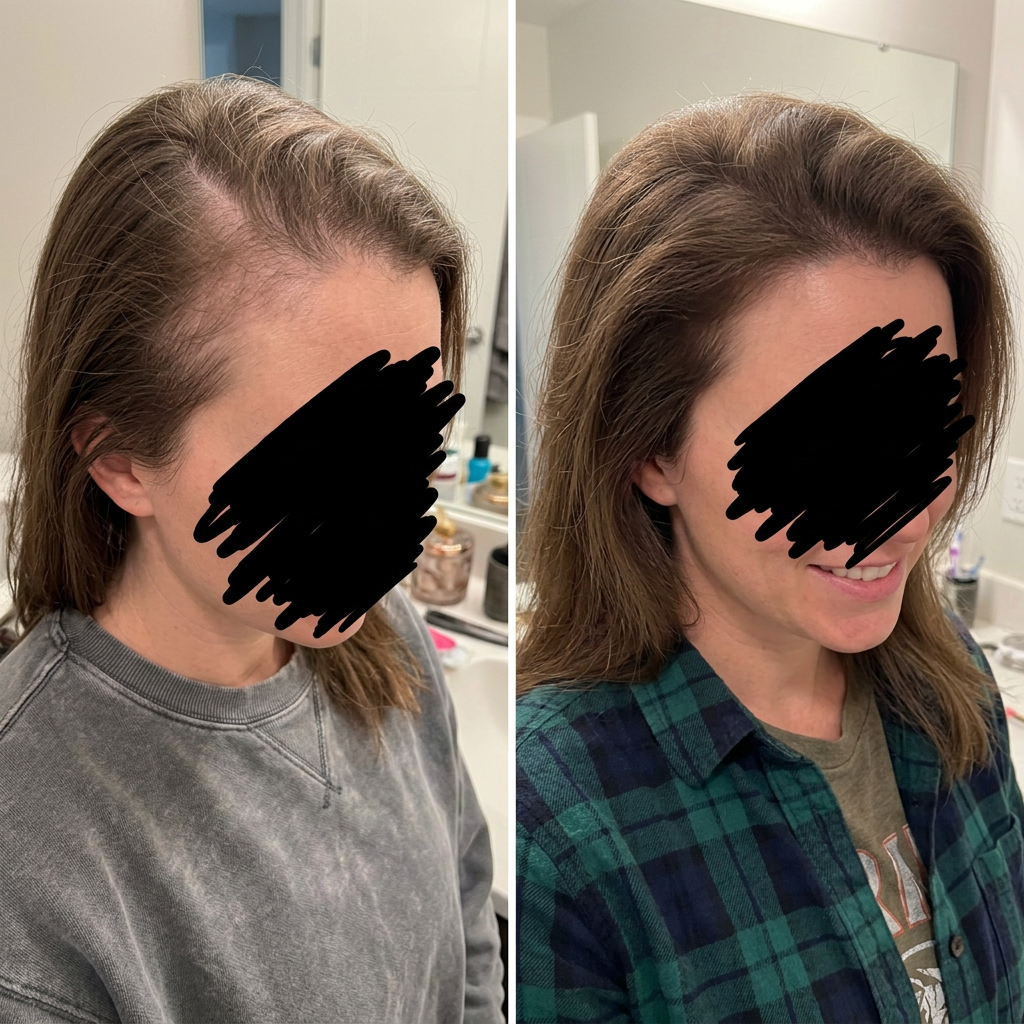
Ten months after my divorce, I found out my best friends went to Italy for two weeks without me. Not because they told me. Because they posted the photos. Ellen and I have been best friends for twenty two years. She and Doug, Bill and Nancy, Ray and Diane. Three couples, plus Marty and me. For eighteen years we sailed the Mediterranean together every September. I researched the ports. I found the excursions. I booked the restaurants. Marty handled the terminals and the bags. Marty and I divorced fifteen months ago. He had been seeing a woman from his golf club for two years, one of them while he was still married to me. She is 44. I filed. That part matters to me. After the papers were signed, the calls came constantly. Ellen checking in. Nancy dropping off dinner. Everyone saying "we're here for you, whatever you need." By month three, the calls slowed down. By month six, they stopped. Then I opened Instagram on a Tuesday morning. And there they were. All six of them. At a table in Florence. Ellen holding a glass of wine, laughing. The caption: "The crew does Italy." The crew. Without me. I called Ellen that afternoon. "Oh, Carol." That voice. The one she uses when she has already decided something and wants you to agree with her. "We didn't want to make it awkward. It came together at the last minute. And honestly, we didn't think you'd be comfortable. With everything." With everything. She kept going. "And Italy is a lot, Carol. The trains. The walking. Stairs everywhere and no elevators. It was ninety degrees the whole time. You know what the heat does to you. We didn't think you could manage it without Marty." I sat there and listened. "It was for your own good. We didn't want you stuck in a hotel room while everybody else was out." Two weeks later they were all back. Tanned. Full of stories. And Ellen called me. "Carol, I have exciting news. We're doing the September cruise. Mediterranean, like we always do. And we'd love for you to plan the itinerary. You always find the restaurants nobody has heard of. The excursions nobody else knows about. You're so good at it." So let me get this straight. I'm not well enough to GO on the Italy trip. But I'm well enough to PLAN the cruise. I'm the unpaid travel agent for the friends who left me behind. I said, "Sure, Ellen. I'll put something together." Then I hung up and sat at my kitchen table for an hour. That is when I understood what they had actually done. They did not just leave me off a trip to Italy. They decided, without ever asking me, what I could and could not manage. That without Marty, I was a problem somebody would have to work around. But my port research? My reservations? My excursions? Those they still wanted. Because apparently I am capable enough to plan a perfect trip. Just not capable enough to go on one. I started planning. I spent three weeks on it. I found a private lemon grove tour on the Amalfi Coast that is not in any guidebook. I booked a sunset table at a cliffside restaurant in Positano with a three month waitlist. I mapped the coastal walk through Cinque Terre, with the shaded stops marked and the one spot where you can see all five villages at once. I sent it all to the group chat. Ellen wrote back: "Carol, this is INCREDIBLE. You're amazing. Best one yet." Then I booked my own cabin on the same sailing. Same ship. Same dates. Balcony. One deck above theirs. And I told nobody. A week later Ellen invited me to dinner at her house. "Just a small thing," she said. "Nothing fancy." I got there at six. The good china was out. Candles lit. All three couples already sitting down. They looked at each other when I walked in. The way people look at each other when they all know something you don't. I thought somebody was sick. After dinner, Ellen cleared her throat. "Carol, we need to talk about the cruise." I knew what was coming before she finished the sentence. "We've all been talking, and we think it would be better if Marty and Renee took your spot this year." Marty. And Renee. The woman he had been seeing for two years. She is 44. Nineteen years younger than me. "Marty reached out," Ellen said. "He and Renee just got engaged. And we've known Marty for eighteen years. It felt wrong to keep excluding him." Excluding him. The man who lied to me for two years. Who kept the house in the settlement because I could not afford to fight him for it. He is the one they were worried about excluding. Doug leaned forward. "Carol, I'm going to say what everybody is thinking." Everybody. "Last September you were in your cabin by eight thirty every single night. You missed the old town walk in Dubrovnik. Marty made your excuses at dinner three nights running." He was not finished. "In Kotor we stood at that port for an hour and twenty minutes waiting to find out if you were coming down. An hour and twenty minutes, Carol. Ray had to find a taxi for all eight of us because the shuttle was gone." He had dates. He had details. He had been keeping a record the entire time Marty and I were married. Ellen put her hand on Doug's arm. Not to stop him. To take over. She turned to me. That voice again. "Carol, we love you. You know that. But the MS is a lot now. The early mornings. The stairs. The heat. You're worn out before the day starts. And Marty isn't going to be there to look after you." She looked around the table. Checking that they all still agreed. They did. "We think it's better this way. You have to understand." You have to understand. What she meant was: you have become somebody we would have to work around. And we got him back, with a younger woman attached. I looked at Ellen. At the woman whose cliffside table in Positano I had spent forty five minutes on hold to get. Whose lemon grove tour I found in a blog written in Italian that I ran through Google Translate three times. I picked up my wine glass. I took a sip. "I understand," I said. I drove home. I did not cry. I was past that. I sat in the kitchen with the lights off. They did not know I already had a cabin on their ship. One deck above theirs. Paid for out of my half of the retirement account. The only money in that divorce that was actually mine. I booked it the night Ellen asked me to plan their itinerary. Before the dinner. Before Doug's speech. Before Marty and Renee's names came up at all. I was going to surprise them. Walk on board and let them work out that they should have invited me. Now it was different. Now I was not surprising anybody. I was proving something. To Ellen. To Doug. To every person at that table who sat there and nodded while they replaced me. To Marty, who would see me on that ship and know exactly what he walked away from. And to Renee, who would find out that the woman she replaced is not the woman she thought she was replacing. But I had to show up right. And here is the part I sat with in the dark for a long time. If I got on that ship the way I was, they would be right. I would be in my cabin by eight thirty. I would miss the walk in Cinque Terre. I would stand at the bottom of those stone steps and let all of them watch me not do it. Because Ellen was not entirely wrong. I will tell you what I had not told her. What I had not told anybody. I have had MS for thirteen years. Everybody at that table knew that. That is not the secret. Here is the secret. By two in the afternoon I was finished. Not tired. Finished. I could stay on my feet about three hours, and after that my legs were too weak and I had to sit down. I dropped things. I put a full mug of coffee on my own kitchen floor twice in one month. I lost words in the middle of sentences. I stood in my own kitchen and could not come up with the word colander. My legs spasmed at night and woke me at two or three in the morning most nights, and I lay there until it got light. And in any heat over about eighty degrees I went weak within minutes. My body stopped regulating its own temperature years ago. And I was afraid all the time. Because of what I had been reading in my own visit summaries for four years. Every MRI came back stable. No new lesions. My neurologist said stable at every single visit, and I said thank God at every single visit. And at every single visit, the timed walk was slower. They walk you twenty five feet down the corridor and they time it with a stopwatch. They do it at every MS appointment in this country. It is in your chart right now. Mine had climbed every year for a decade. For the last three it sat at 11.1 seconds. A woman my age without MS walks it in about six. Stable scan. Slower walk. Both true, both printed on the same page, and nobody in that office had ever put them next to each other for me. I found the name for it myself, at one in the morning, on my own laptop. Progression independent of relapse activity. It means you keep getting worse without a single new lesion. Doctors abbreviate it PIRA. It is in the research. It is discussed at conferences. Nobody had ever said it to me. And my scan was never lying to me. An MRI shows lesions. A lesion is damage that happens fast, in one place, all at once. What was happening to me was the coating on my nerves getting thinner year after year, everywhere at once, and thinning does not make a lesion. The scan measures what it measures. My mother had MS. She was in a wheelchair at 60 and she never got out of it. I am 63. And I was doing everything I had been told to do. Ocrevus, an infusion every six months, for the immune attack. Gabapentin for the burning in my hands and feet. Dalfampridine, because my walking speed tested slow enough to qualify for it. Three prescriptions. Every one of them doing its job. And the walk time still read 11.1. In February, Dr. Adler said he wanted to add a fourth. A muscle relaxant, for the spasms. I asked him why the walk time had not moved in three years. He said MS is a progressive disease, that we were managing it well, and that the scans were the thing to watch, and the scans were stable. So I went shopping instead. Vitamin D, five thousand units a day for four years, because half my support group swore by it. My level came up. Nothing else did. The Wahls protocol. A full year. I gave up everything I liked and had a relapse in the eleventh month. Green smoothies every morning for six months. Alpha lipoic acid for five, because a functional medicine doctor at three hundred dollars a visit told me it was neuroprotective. Biotin at forty dollars a month, because somebody in a forum said high dose biotin repaired myelin. Twelve weeks of physical therapy after every flare, which is where I learned that physical therapy strengthens muscle. It does not rebuild myelin. There were nine bottles on my kitchen counter. Every one of them did the same thing. A good week. Then the next appointment, and the same number on the screen, and another hundred dollars gone. The two in the afternoon. The legs at three hours. The dropped mug. The word I could not find. A walk time that would not come down. Everything I tried. Nothing changed. So I stopped talking about it. I stopped taking the stairs at Ellen's house when anybody could see me. I started saying I had already eaten so I would not have to walk in from the far end of the lot. I told myself the last year of it was the divorce. And some small part of me had started agreeing with Ellen. Maybe I could not manage it anymore. Maybe I was the one they had to work around now. Nineteen weeks until embarkation. The next morning I called Lauren. My daughter. 36. She spent three years in her company's Tokyo office and came home last spring. I told her all of it. The Italy photos. The "you're so good at it" phone call. The dinner. Doug's stopwatch. Ellen's voice. "The MS is a lot now." And the part I could barely get out. That her father and Renee were taking my spot. On the cruise I planned. With the friends I have had for twenty two years. Lauren did not say anything for a long time. Then she asked me something I was not expecting. "Mom. What's on the counter right now?" "The three prescriptions. And the vitamin D, the alpha lipoic acid, the biotin, the smoothie powder." "Throw the supplements out. All of them." "Lauren." "Mom, you were getting worse before Dad left. You know that. I have been reading those walk times since I was in college. Everybody kept telling you it was the disease, and then everybody kept telling you it was the divorce, and not one of them ever asked you what was supposed to be rebuilding the coating on your nerves." I sat down on the kitchen stool. "Do you remember Aiko?" Her friend from the Tokyo office. "Her mother has MS. She was diagnosed two years before you were. Her neurologist put her on three vitamins in the first month. Not off a shelf, Mom. On a prescription. B12, B1 and B6. In Japan they refer to them as the neurotropic vitamins. A doctor there writes them for nerve damage the way yours writes gabapentin. Methylcobalamin has been a prescription drug there since the early nineteen eighties." "Lauren, those are vitamins." "Right. And I want you to think about why that is the part that sounds ridiculous to you, and not the fact that you have taken three prescriptions for thirteen years and your walk time has been slower at every appointment you have had while on them." She let that sit. "How much of what's on that counter has ever changed a number in your chart?" "None of it." "Because none of it goes anywhere near the actual problem. You have been treating the attack. You have been treating the symptoms the damage causes. Nobody has ever touched the repair." I did not say anything. "Here's how it works," she said. "Your nerves are wrapped in a coating called myelin. Think of it like the plastic insulation on an electrical wire. It is what lets the signal travel fast and clean from one end of the nerve to the other." "I know what myelin is, Lauren." "Then you know your immune system strips it off. Here is the part nobody tells you. Your body rebuilds it. Every single day. On every nerve you have. It is doing it right now." "Then why am I getting worse." "Because the rebuilding needs two things, and both of them have to be inside the nerve cell. It needs material to build the coating out of. And it needs energy to do the work." "And I don't have them." "You do not have enough of either. Start with the material. That is B12. B12 is what myelin gets rebuilt out of. It is the repair, and the repair cannot start without it. Your repair cells are short of it." "And the energy." "That is B1. B1 is what the nerve cell makes its energy with, and that energy is what carries out that repair. And a nerve that has lost its coating uses far more energy just to carry a signal than a nerve that still has one. So the more coating you lose, the less energy is left for the rebuilding." I did not say anything. "Do you hear what that is, Mom? Less coating means more energy spent carrying the signal. More energy spent means less energy for the repair. Less repair means less coating. And then it starts again, one turn worse. That is why you were a little worse five years ago and worse every year since. That is not your age and it is not the divorce. That is one process, and it gets worse every year nobody addresses it." I thought about the number on the screen. Slower at every appointment no matter what I did. "Then what is the infusion doing?" "Exactly what it was built to do. It slows down the immune attack. Fewer new lesions, and your scans prove it works. But it was never designed to rebuild what the attack already stripped off. No disease modifying therapy is. Not one of them puts a single molecule of coating back on a nerve." "And the other two." "The gabapentin reduces the burning that a stripped nerve produces. The dalfampridine helps a stripped nerve carry a signal faster, so you walk a little better. Both of them work on what the missing coating causes. Neither one replaces the coating." "So three drugs." "Three drugs, three symptoms, and the process underneath all three of them never addressed. And it is not a conspiracy. There is no scan that shows a repair deficit. There is no prescription for one. Medicine measures what it can act on, and what does not get measured does not get discussed in a fourteen minute appointment." I had been treating every one of those symptoms as its own separate problem. Lauren was describing one process underneath all of them. "So what do I do." "You address the repair. That is the part everybody has been missing." Then she walked me through what each one of the three does. The nerve regeneration research uses the same name for them. B12 is the material. B1 is the energy. B6 is what lets the signal travel cleanly down the nerve once the coating is back. Material. Energy. Signal. And not one of the three does its job without the other two. "That is the part I want you to actually hear," Lauren said. "In 2025, a study published in a journal called Cells tested all three of them together on nerve tissue in a lab. Together, they were twenty six times more effective than any one of them taken alone. Not twenty six percent. Twenty six times. B12 on its own came in under four percent and did not even reach statistical significance." "Twenty six times." "Together. That is the whole finding. Nobody should be selling you one of these on its own, because one of them on its own barely does anything. It is the three of them or it is nothing." "Nineteen weeks," I said. "Is that long enough?" "Order tonight," she said. "Don't wait. And call Dr. Adler and ask him to time your walk this week, before you start. You need a starting line." I tried to do it cheap first. Of course I did. A B complex from the pharmacy. $9.99. All three of the vitamins printed on the front of the bottle. Four weeks. Nothing. My walk time that month was 11.1, the same number it had been for three years. I called Lauren, half ready to tell her that Japan was a nice story and nothing more. "Mom. What did you buy." "A B complex. From the pharmacy." "That is the whole problem. Two things are wrong with it, and either one on its own would have been enough." "Go on." "First, the forms. The same vitamin exists in more than one chemical form. That bottle has the cheap synthetic ones. They cost a fraction of a cent to manufacture and they are far less bioavailable than the active forms the research uses. Same name on the front. Different compound on the back." "And second." "Second, you swallowed it. Whatever survives your stomach ends up in your blood. But the repair does not happen in your blood. It happens inside the nerve cell. And what reaches your blood still has to get inside the cell to be used. Most of it never does." "So it did nothing." "It raised a number in your bloodwork. That is all a pharmacy B complex is built to do. That is not a dose problem, Mom. That is a delivery problem." Then she sent me a link. A small company called Nuvel. It came four days later. Liposomal neurotropic vitamins. B12, B1 and B6, each one listed by name, in the active forms, at the doses used in the research. A liposome is a tiny sphere made of the same material your cell membranes are made of. Because the shell and the membrane are the same material, the two fuse, and the vitamins are released inside the cell. One drop under the tongue every morning. Count to sixty. That is the entire protocol. Third party tested. No fillers, no blends. B6 at three milligrams, which is the amount a nerve actually uses, and not the hundred milligrams sold on a pharmacy shelf, which damages the nerve you bought it for. Lauren's earrings were on the nightstand while I read the bottle. The gold ones she gave me for my sixtieth birthday, three years before any of this. The card is still in the drawer with them. It says: "For the mom who taught me to walk into a room like I belonged in it." I read it again in the dark. Week one, nothing. Week two, nothing. Week three, nothing, and I nearly threw it out on a Wednesday. Week four, nothing. Nobody tells you the real timeline. There is nothing to feel in the first weeks. Myelin rebuilds slowly, and a small amount of new coating does not produce anything you would notice. That is how long it takes to add up to something a stopwatch can read. Week six. It was nine o'clock at night and I was still up. Not sitting. Up, in the kitchen, doing the dishes. I had been finished by two in the afternoon for four years. Week seven. I carried a full mug of coffee from the counter to the table and set it down, and it was only afterward that I understood I had not thought about it. Week eight. I called and asked Dr. Adler for an early appointment. I told him I wanted the walk timed. He walked me twenty five feet down the corridor with the stopwatch. Same test, same corridor, thirteen years. 9.4 seconds. It had been 11.1 for three years. He looked at the screen. Then he looked back at me. I typed the number into my phone in the parking lot, underneath thirteen years of the other ones. Same column, same phone. For the first time, the column went the other way. Week ten. Ninety one degrees. I walked from the far end of a parking lot to a restaurant door in the middle of the afternoon and I did not have to stop. Week twelve. The appointment he had already booked. Walk time 9.1. The nine hole peg test, where you pick up small pegs and set them into a board one at a time, 27 seconds. It had been 33 for two years. He did not say improving. He said something more careful. He said let us not add anything yet. For thirteen years that list had gone one direction. One drug longer every few years. For the first time, nothing was added to it. Week thirteen, I put on the navy dress I bought two Septembers ago and never wore. I stood in front of the mirror, and for the first time in a long time I recognized the woman standing straight in it. I ordered a second box and sent it to my sister. She has MS too. She called me nine weeks later and asked me for the link, because two women in her support group had already asked her what she was taking. Embarkation day. Barcelona. I got there early. I walked that terminal end to end in the afternoon heat, and I was not winded. I was on the upper deck with a glass of prosecco when I watched them come aboard below me. Ellen first, already flushed, fanning herself with the boarding pack. Doug behind her, red in the face at the check in counter. Bill and Nancy. Ray and Diane. And behind all of them, Marty and Renee. Renee. The woman who was supposed to make everything easier. Marty was carrying most of what she had brought while she fixed her sunglasses. He looked tired already. Twenty minutes later Ellen came up to the deck. Flushed. Hair coming loose. She stopped when she saw me. "Carol?" She blinked. "What are you doing here?" "Same ship. Same sailing." And then she just stopped talking. She was looking at me the way you look at somebody when the picture in your head no longer matches the person in front of you. "You look," she said. "You look different." "I feel different." She stood there a second longer than was comfortable, then said she needed to find her cabin. I did not move. I had nowhere to be. And a very good glass of prosecco. First port. Cinque Terre. If you have never been, the villages are built up the side of a cliff and connected by narrow stone paths. No cars. No elevators. Just steps cut into the rock and alleys wide enough for two people to pass. The tender dropped us at the dock. I went up the steps at my own pace and I did not stop once. Not because I was pushing. Because I did not need to. Behind me I could hear it. Doug at the bottom, looking up at the climb. "This is insane. Who builds a town with no ramp?" Ellen stopped halfway, one hand on the wall, breathing hard. Renee, all of 44, sat down on a step. I was already at the café at the top of the steps. Ordering an espresso. Renee got there twelve minutes later. Red in the face. Marty was behind her. He saw me sitting there with my coffee, not a hair out of place. He stopped. For a moment, neither of us said anything. Then Renee reached for his arm. "I need to sit down." He looked at me one more time. Then he turned and followed her to a table across the piazza. Ellen arrived after that. "You seem comfortable," she said. Tight voice. Polite smile. "I am." She did not say anything else. That afternoon I walked the coastal route through Monterosso. The one I had mapped for their group, with the shaded stops marked and the spot where the trail opens up and you can see all five villages at once. I was sitting at that exact spot, the one I had starred on the map I sent to the group chat, when I heard voices below me on the trail. Ellen and Renee. Moving slowly. Ellen had a printed copy of my itinerary in her hand. MY itinerary. The one I spent three weeks building. With my notes. My recommendations. My starred viewpoints. They did not see me. Renee said, "Whoever put this route together really knew what they were doing." Ellen did not answer. Day three. Amalfi Coast. I found that lemon grove tour in a blog written in Italian that I ran through Google Translate three times. It is not in any guidebook. Private. Twelve people maximum. I booked one place for myself. The group had taken the rest, because I put it in their itinerary. I got there first. The owner, Signora Rossi, walked me through the terraces above the water. The smell was incredible. She showed me how they wrap the lemons in cloth to get them through the winter. Twenty minutes later, the group arrived. Marty saw me and stopped. "Carol? You're on this tour?" "I found this tour, Marty." He opened his mouth. He closed it. He looked at Renee. Renee adjusted her sunglasses and said nothing. That evening the group was at the pool bar. I was two loungers away, reading. Ray came over. Ray has always been the one who says the least. He sat down on the edge of the lounger next to mine. "Carol, I need to say something." I put my book down. "That lemon grove today. The walking route yesterday. The fact that you're even on this ship." He stopped. "You planned every good thing that has happened on this trip. And you're the one who wasn't supposed to be here." He looked back toward the bar, where Ellen and Doug were ordering drinks, and Marty had his arm around Renee. "And I watched you go up those steps in Cinque Terre ahead of a woman of 44. Marty saw it too. He just won't say it." He got up and walked back to the group. I picked up my book. But I did not read. I sat there a long time thinking about what Ray said. That I planned every good thing on this trip. And I was the one who was not supposed to be here. Lauren would have loved that. Night four. Captain's dinner. I put on the navy dress. It fit the way it fit the day I bought it, but that was not really it. I was standing up straight in it. That was the difference. Lauren's earrings were on the nightstand. The gold caught the light from the porthole. Walk into a room like I belonged in it. I put them on and went down. Ellen was already seated. Renee was next to Marty and had barely touched her first course. Marty looked up when I walked in. He looked at me for a long moment. Then at Renee. Then back at me. He did not say anything. He did not have to. After the first course, a woman at the next table leaned over. Mid 50s. A small leather notebook next to her plate, a pen clipped to it. "Excuse me," she said. "I'm sorry to interrupt. I watched you come down that staircase without touching the rail, and you have been on your feet all evening. I have to ask what you're doing." "It's not a diet," I said. "It's one thing I take in the morning. Three vitamins." She put her hand on her chest. "My husband has MS. He was diagnosed six years ago. Tell me everything." So I told her. About my daughter. About a neurologist in Tokyo who writes three vitamins in the first month. About how your immune system strips the coating off your nerves, and how your body rebuilds that coating every day, and how the rebuilding needs material and energy inside the nerve cell, and how when it does not get them the repair falls behind the stripping, and that gap is the thing you feel and the thing nobody measures. She wrote it in her notebook. A man two seats down, a ship's officer with three stripes on his sleeve, looked over. "Say that again," he said. "My wife was diagnosed at 39. She's 46 now. They have switched her drug twice, every scan comes back clean, and she's worse every year. Her neurologist keeps telling her this is just where she is now." "It was never where she is," I said. He got out his phone. Ellen watched all of it. She picked up her wine glass. Took a long drink. Set it down. Looked straight ahead. Renee had stopped shifting in her seat and started listening. Marty was watching me. Not Renee. Me. Positano. Day seven. The tender dropped us at the marina. Stone steps climbing straight up the cliff face. Bougainvillea everywhere. I went up with one hand on the rail, and not because I needed it. Renee was stopped a third of the way up, red in the face. Ellen was leaning against the wall below her. Marty was somewhere between them, carrying everything. I was at the top. My table looked out over the water. The sun went down over the whole coast. Lauren's earrings caught the last of the light. I did not check my phone. I ate slowly. I ordered dessert. I booked that table three months earlier. For them. I kept it when they gave my place to Marty and Renee. When I got back to the ship, Ellen was in the atrium bar. She looked exhausted. "Where did you eat?" she asked. I told her. "We tried to get in there," she said. "They told us it was fully booked." "It was lovely." She looked at me for a moment. "You always look so rested now," she said. "How do you do that?" I just smiled. Last night on the ship. Farewell dinner. Ellen found me on the upper deck afterward. Black water. Stars everywhere. She sat down. Neither of us said anything for a while. "My sister has MS," she finally said. "Four years now. She's 58. She's on her second infusion drug, every scan comes back stable, and she is worse every year. Last month she started using a cane in the house. Her neurologist told her that's just where she is now." "I know exactly what that is." She turned to look at me. "People keep asking about you, Carol. The woman from the captain's dinner. The officer whose wife has it. That couple from the Positano tender who stopped you on the gangway." Silence. "Carol, what have you been doing? And don't tell me you're sleeping better. Four months ago you couldn't get through dinner at my house, and this week you went up those steps in Cinque Terre ahead of all of us." So I told her. About Lauren. About the three vitamins a doctor in Japan writes on a prescription pad. About how the immune system strips the coating off a nerve, and how the body rebuilds it every day, and how the rebuilding needs material and energy inside the nerve cell, and how when the repair falls behind the stripping, that gap is what her sister is feeling and what nobody in that office is measuring. About her sister's infusion slowing the attack and never once rebuilding what the attack already stripped off. About the fact that it was never my age. And it was never the divorce. She typed the name into her phone right there on the deck. Then she said, "Why didn't you tell me in May?" I stood up. "You didn't ask in May," I said. "You told." "Safe travels home, Ellen." I walked back to my cabin and I did not look behind me. Here is what I learned. For eighteen years, Marty and I sailed with these couples. I researched every port. I found every restaurant. I planned every excursion. After he spent two years with a woman of 44 and I filed, they did not just leave me off a trip to Italy. They posted it. Then they called me to plan the next one. Because apparently I am capable enough to find a cliffside table with a three month waitlist. Just not capable enough to sit at one. Doug said: "You were in your cabin by eight thirty every single night." Ellen said: "The MS is a lot now." They gave my place to my ex husband and the woman he had been seeing while we were married. Then they kept the itinerary I built so she could enjoy it. So when I booked myself onto that same ship, I had two choices. Show up finished by two in the afternoon, dropping things, standing at the bottom of those steps, and prove every one of them right. Or show up steady, clear and stronger than I had been in a decade, and prove I was never finished. The vitamins did not make me a new woman. They gave my body the two things it needed to start rebuilding the coating that thirteen years of MS had stripped off. And here is the part that still gets me. They were all so sure it was the divorce. I was sure it was the divorce. Every doctor I saw was sure it was the disease, and my age, and just where I was now. It was none of that. My immune system had been stripping the coating off my nerves for thirteen years. My body had been trying to rebuild it every single day. The repair cells never had enough material and the nerve cells never had enough energy, so the repair fell behind, a little further every year. The two in the afternoon. The three hours on my feet. The dropped mug. The word I could not find in my own kitchen. The heat. The walk time that would not come down while every scan came back stable. Those were never separate problems. They were one process, and nobody had ever addressed it. A woman of 36 and a neurologist in Tokyo knew what my neurologist and a table of six people could not see. And every month I went without addressing it, the stripping continued and nothing rebuilt behind it. That is the part nobody tells you. It does not pause while you think about it. The less coating you have, the more energy it takes to carry a signal, and the less energy is left for the repair, and the further behind the repair gets. If somebody has left you out and then asked you to do the work anyway. If they replaced you with somebody younger and then handed you the planning. If they decided what you can manage without ever once asking you. If your scans keep coming back stable while you keep getting worse, and you keep being told it is your age, or your stress, or just where you are now. It might not be any of that. And it was never your fault. It might just be the repair nobody ever addressed. Nuvel is a small company and they make it in small batches at low temperature, because heat damages the liposomes. So they sell out. If you go to order and they are out of stock, sign up for the restock notification. It is worth the wait. There is a 90 day money back guarantee, full refund, no questions asked. If nothing changes, every penny back. And ask your neurologist to time your twenty five foot walk at your next visit. He already runs that test. It is already in your chart. Then ask for it again at eight weeks. A number on a page is the only argument that has ever worked in that room. Do not stop your infusion. I did not stop mine. Slow the stripping with the infusion. Start the repair with the vitamins. Most people have only ever been handed the first one. Ellen asked me what I had been doing. Her sister has been stable on paper for four years and worse every year of them. My walk time has gone the other way twice running. Your move. EDIT: Almost forgot the link. Here it is: https://trynuvel.com/products/vitamin-b-complex-limposal
Where the ad sends people
trynuvel.com
My Best Friends Went To Italy Without Me
Clinical-grade dosed formula proven in studies
Learn more: trynuvel.com(opens in a new tab)