
Inactive· since Apr 20, 2026
- 28
- days it ran
- 0
- relaunches
Ad copy
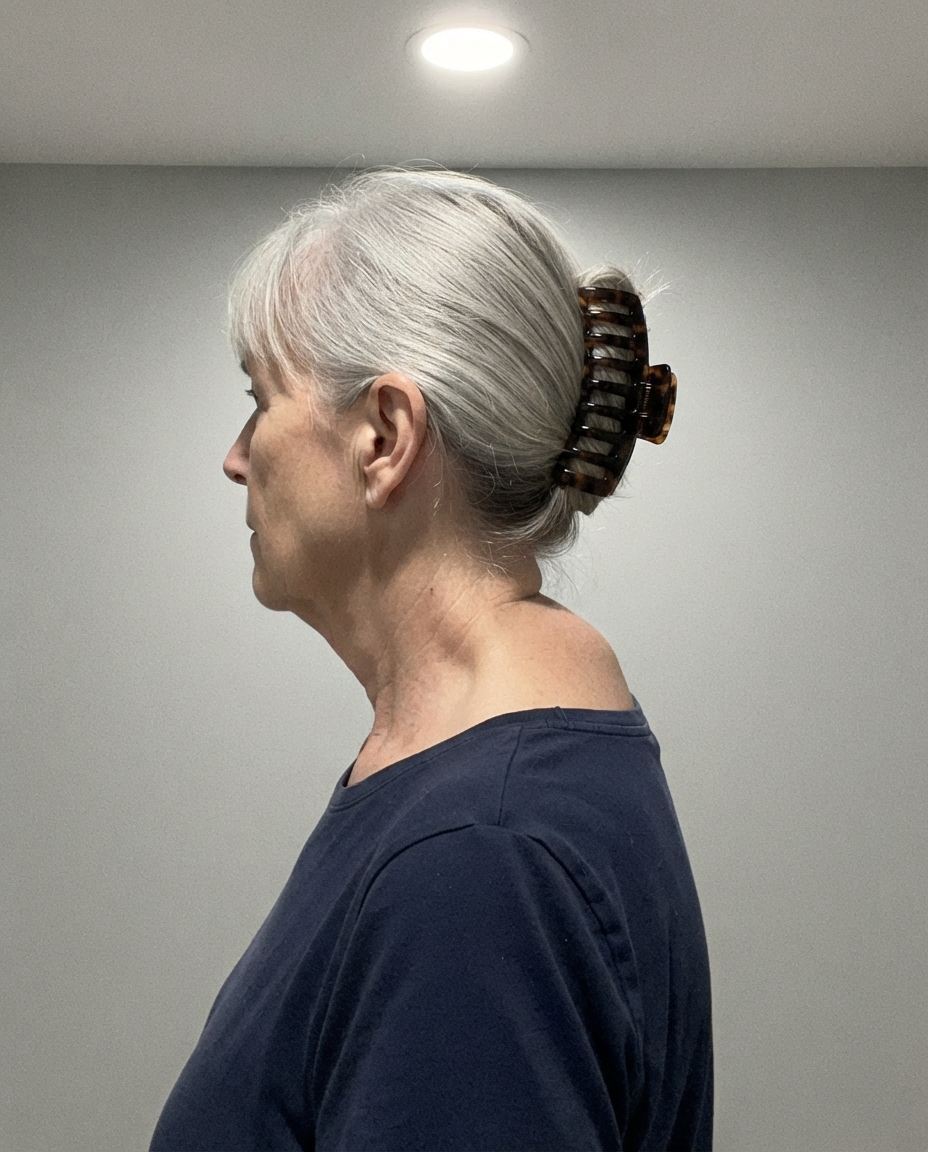
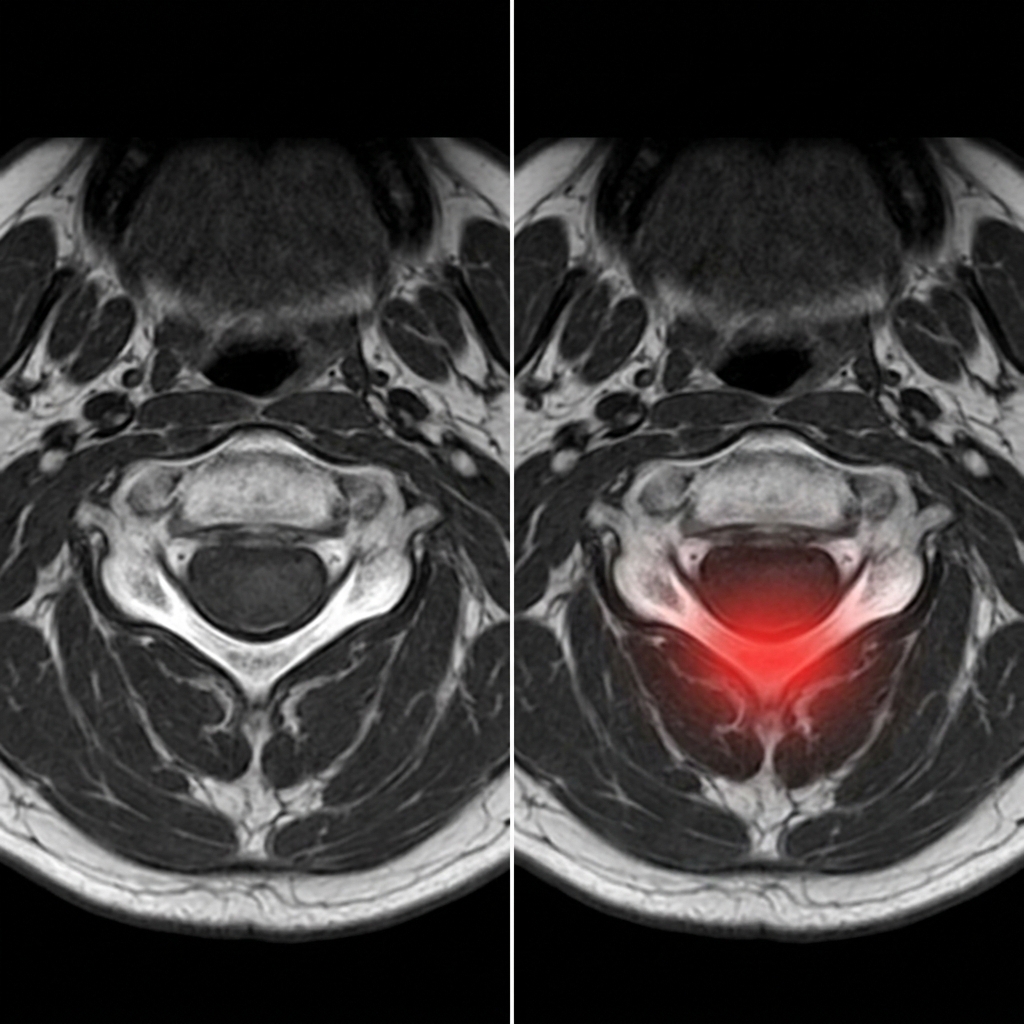
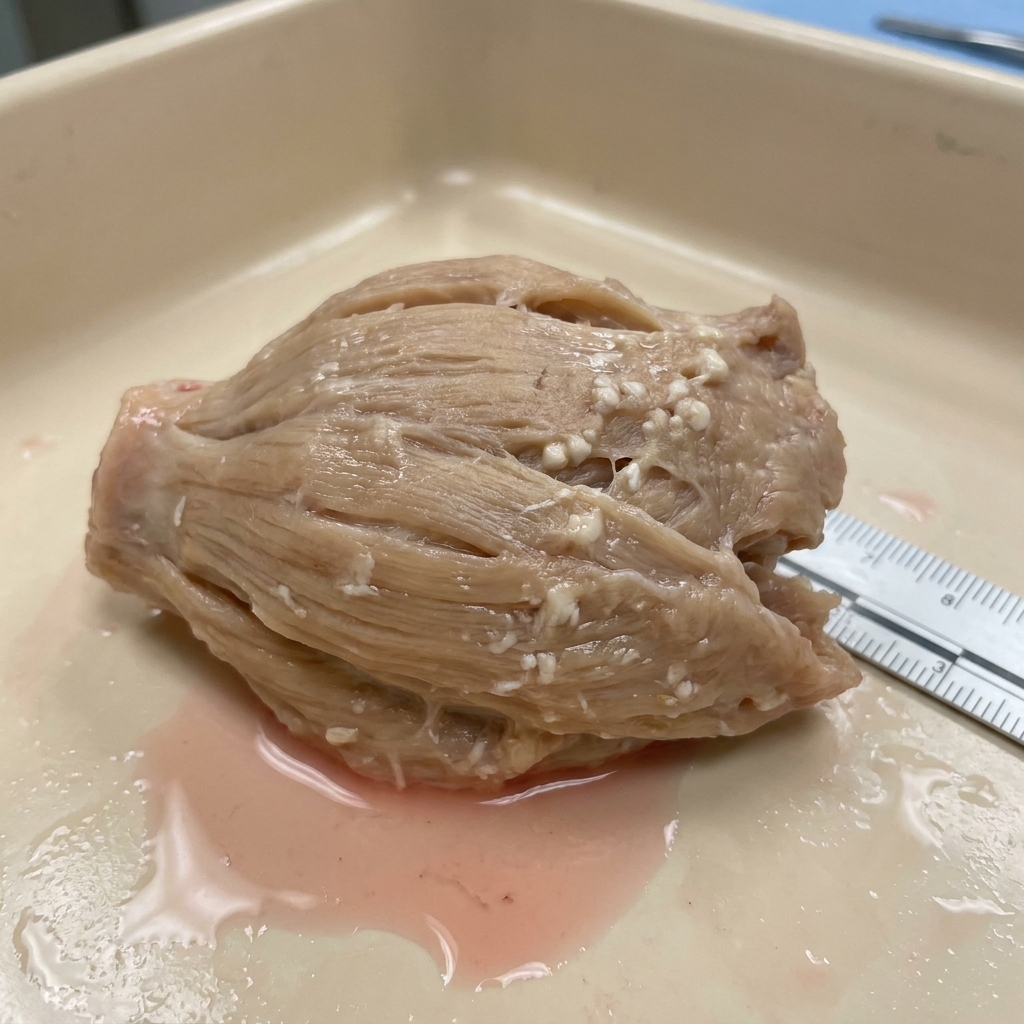
I've treated too many neck humps to stay silent about this. If yours has been growing despite consistent treatment, I need to tell you something your chiropractor isn't addressing. I've assessed 3,800+ cervical hyperkyphosis cases in 19 years as a manual therapy specialist. And when a woman walks into her chiropractor's office with a neck hump, I already know what her suboccipital assessment will show — the same contracture she'll still have after years of adjustments. A chronic suboccipital lock. The same contracture driving her hump is active right now. And her adjustments are working around it. I'm Dr. Catherine Marsh. I'm a manual therapy specialist focusing on cervical rehabilitation and suboccipital contracture release. And when my own neck hump started at 54, I knew something chiropractors never tell their patients. Your hump isn't a posture problem. It's a contracture that has never been released. I've been assessing cervical hyperkyphosis for 19 years. I've seen thousands of women with progressing humps. Thousands who got prescribed adjustment protocols and posture braces and thought their problem was being addressed. And I've seen the follow-up assessments that chiropractors never order. Because chiropractors see you twice a week. Mobilize the joint. Send you home. They don't see you two years later when your forward head translation has increased despite consistent attendance. But I do. Because I see what happens to the women who manage their hump with adjustments while the contracture keeps pulling. The 58-year-old who followed her protocol faithfully for three years. Attended every appointment. Then came to me with a C7 prominence twice the size of what she'd started with. Her chiropractor told her she needed more frequent sessions. Her suboccipital contracture had never been directly addressed. Three years of working around the problem. The hump kept building. The 63-year-old. "It's just how I'm aging, apparently." Started on adjustments twice weekly. Then maintenance monthly. Then it stopped responding entirely. Came to me with compensatory tissue that had begun to fibrotic. Her forward head translation was 5.2 centimeters. Her window for easy reversal had closed significantly. Her hump was the three-year early warning she had adjusted around. I see them in follow-up sessions. They don't complain about the appointments. They're frustrated nothing changed. But I know what they lost. They had years to release the contracture. Years to stop the forward pull. Years to prevent the tissue from consolidating. Their hump was building the warning. Adjustments just kept them coming back. My assessment told a different story than my symptoms. Hump progressing despite my own knowledge of the condition. Loss of natural head position. I couldn't wear certain necklines anymore. My colleagues were understanding, but I saw it in their eyes. The clinical recognition. From peers who knew what the progression meant. My physiotherapy colleague looked at my presentation and said what practitioners say to every patient. "Standard protocol. Adjustments, brace, posterior chain strengthening. Should stabilize it." I know it would. That's not the point. I'm a manual therapy specialist. I immediately assessed my own suboccipital musculature. Because I know what progressive cervical hyperkyphosis actually means. Bilateral suboccipital contracture. Anterior head translation of 4.6 centimeters. Compensatory tissue at C7 beginning to consolidate. My hump wasn't a posture failure. It was my suboccipital muscles locked in a contracture that adjustments were systematically failing to release. And standard protocol would have managed the joint while the contracture kept building. Here's what chiropractors don't tell you because they don't assess suboccipital contracture directly. Your suboccipital muscles at C1 and C2 are where the hump actually originates. When plaque — sorry — when contracture starts building systemically after decades of forward flexion, the smallest most specific muscle groups show symptoms first. The hump at C7 appears years after the suboccipital lock has been established. You're not "just aging" or "slouching" or "not consistent enough." Your suboccipital muscles are locked. Your head is being pulled forward continuously. The same contracture causing your hump is loading your cervical spine right now. For every inch of forward head tilt, your cervical spine carries an extra ten pounds of load. Women with established suboccipital contracture who follow standard adjustment protocols continue progressing in 90% of cases. Your hump isn't embarrassing. It's structural. It's your contracture telling you it has never been released. And adjustments silence that message temporarily while the compensatory tissue keeps building. But chiropractors don't assess the suboccipital layer directly. They mobilize the joint above it. So they write the adjustment plan and send you home. My next step was clear. Not surgery. Not yet. But I knew where this was heading. I tried what patients try. Standard chiropractic. Helped the joint temporarily but the hump persisted. Posture bracing. Helped while worn. Changed nothing structurally. My forward head translation was stable but not improving. My suboccipital contracture was still active. Nothing was releasing the lock that was causing the problem. But I kept thinking about something that made no sense. Suboccipital contracture CAN release. Forward head translation CAN reduce in early stages. The research proves it. So why wasn't mine releasing? One Tuesday night at 11:30 PM. I was reviewing manual therapy journals after a late clinical session. Couldn't stop thinking about my own presentation. The hump was progressing. I'd been managing around my own contracture for months. I was scrolling through research on suboccipital release protocols. Not looking for anything specific. Just frustrated. I found a study on sustained gravity-assisted compression and neurological release in chronic suboccipital contracture. Sustained compression at C1-C2 activates proprioceptive receptors in the suboccipital musculature. These receptors trigger neurological release of chronic contracture. The muscles actually let go. The exact mechanism skilled manual therapists apply by hand. But here's what stopped me cold. "Sustained gravity-assisted compression at exact C1-C2 pressure points reversed chronic suboccipital contracture and reduced anterior head translation by an average of 1.8 centimeters in 78% of subjects over 90 days." Not mobilized. Reversed. I sat there at 11:30 PM staring at the mechanism pathway. Chiropractic adjustments force joint mobilization for the duration of the session. Then the session ends. Your contracture doesn't release. It's temporarily moved around. Sustained gravity-assisted compression at C1-C2 activates your body's natural proprioceptive receptors. Continuous neurological release signal. Natural sustained contracture release. Your suboccipitals heal instead of being temporarily mobilized. The compensatory tissue at C7 — the hump — actually softens as the forward load reduces. I've been a manual therapy specialist for 19 years. I've studied suboccipital contracture my entire career. And I'd never applied this protocol to my own presentation. Because chiropractors don't assess suboccipital contracture as the primary driver. And manual therapists who do assess it don't always have a home protocol that delivers the sustained compression required. At 11:47 PM, I ordered a Cevera Posture Release Tool. Two nodes. Exact C1-C2 placement. Gravity-assisted. Ten minutes. I didn't expect miracles. But the mechanism was sound. I started the following morning. Ten minutes lying back before bed. Day 4. I woke up and reached for my phone. Realized I'd done it without bracing for the tightness at the base of my skull. I lay there testing it. Thinking it was psychological. But it wasn't. The physiology was working. Day 7. The morning tightness that had been the first sensation of every day for two years was absent. I hadn't noticed how constant it was until it wasn't there. Day 12. A colleague stopped me in the hallway. "Catherine. Your head position looks different. What are you doing?" I hadn't said anything. I wanted to see if the assessment would show results before I said anything. "Different protocol," I said. "Whatever you're doing, keep doing it." Day 21. Forward head translation reduced. Tightness completely gone. I was reaching for necklines I'd quietly stopped wearing. But more importantly, I wanted proof this was structural. Week 8. Self-assessment and colleague verification of cervical alignment. I positioned myself for the measurement. When the results came, I looked at them for a full minute. Forward head translation reduced from 4.6 to 2.8 centimeters. 39% reduction in eight weeks. I pulled up the comparison measurements. Week one versus week eight. The anterior head position had visibly shifted. The C7 prominence was measurably softer on palpation. My hump was reducing because my contracture was releasing. Not managed. Released. I showed the measurements to my colleague. Dr. Harrison looked at the numbers. Looked at me. Looked back at the assessment. "Catherine, what did you do? Contracture doesn't reverse this fast without intensive clinical intervention." I explained the TRPV1 — sorry — the proprioceptive receptor activation. The sustained gravity-assisted compression. The neurological release mechanism. She studied the numbers for another minute. "Your suboccipital contracture has released. Forward head translation normalized significantly. And you said the C7 prominence is softer?" "Measurably." She was quiet for a moment. "I need to start assessing my cervical hyperkyphosis patients' suboccipital contracture as the primary driver." I cancelled nothing. Because I wasn't managing anymore. But I started telling patients something chiropractors don't. I'm not saying don't get adjustments. Chiropractic has real value for joint mobility and pain management. But adjustments don't release your suboccipital contracture. They don't reduce your forward head translation permanently. They don't stop the compensatory tissue from building at C7. They temporarily mobilize the joint while your contracture keeps pulling. And I see what happens two and three years later when those women become patients who have progressed past the easy reversal window. Your hump isn't failing you. It's warning you. The same contracture causing your hump is loading your cervical spine and building compensatory tissue right now. And adjustments silence that warning temporarily while your progression continues. But chiropractors don't assess the suboccipital contracture as the primary driver. They mobilize the joint above it. So they write the adjustment plan and send you home. My next step was clear. And it's what I'm sharing with you now. Because if you have a neck hump that has been progressing through consistent treatment, you deserve to know what I know. Not from a textbook. From assessments I conduct every single day. Your hump isn't the problem. It's the result. Your suboccipital muscles are locked. Your head is being pulled forward. System-wide load is building at C7. And every month you adjust around it is another month the compensatory tissue advances toward consolidation. The suboccipital muscles at C1-C2 are where symptoms appear first because they're the smallest and most specific. The C7 tissue builds later. By the time it's significant, you've already had years of contracture. That's your window. Right now. Eight weeks. That's how long it took my forward head translation to drop 39%. Eight weeks of letting my suboccipitals do what they were designed to do. Release. I'm not saying stop seeing your chiropractor. I'm saying understand what you're managing around. Your hump is your check engine light. Adjustments are electrical tape over the warning indicator. The contracture is still active. You just feel temporarily better after sessions. But I see it every day in assessments. Women who managed their hump for years. Then came to me with compensatory tissue that has consolidated past easy reversal. Every single one says the same thing. "I wish someone had told me the contracture was the driver." I'm telling you now. Your hump is connected to a suboccipital contracture that has never been directly released. The same mechanical failure causing your visible hump is loading your cervical spine right now. Fix the contracture, and you potentially reverse both the visible hump and the forward head position causing it. Or manage the joint, and watch the tissue keep building. I'm a manual therapy specialist. I understand suboccipital contracture at a clinical level. And I chose to release my contracture before it progressed to consolidated tissue. That's all I'm asking you to consider. Give your suboccipitals a chance to release before you accept lifelong management or miss the reversal window. Because once compensatory tissue fibroses, once forward head translation becomes structural, once the window for easy reversal closes, it becomes significantly harder. Your hump is giving you years of advance warning. Use them. Eight weeks. That's all it took to release the chronic suboccipital contracture and reduce forward head translation by 39%. Eight weeks of releasing the contracture instead of managing around it. — Dr. Catherine Marsh, DPT Manual Therapy Specialist, 19 years Certified Cervical Rehabilitation Practitioner P.S. — The precision tool I used is called Cevera. Two foam nodes engineered to sit at the exact C1-C2 suboccipital pressure points. Gravity-assisted sustained compression. Ten-minute daily protocol specifically formulated to activate proprioceptive receptors for neurological contracture release. Clinical-grade contact placement with supporting gravity delivery for enhanced depth of compression. If you're receiving chiropractic adjustments and have progressive cervical hyperkyphosis markers — growing C7 prominence, increasing forward head translation, morning suboccipital tightness — consider this. Get a baseline suboccipital assessment. Try the Cevera protocol for 8-12 weeks. Get a follow-up assessment. Let your body show you what it can do when you release the contracture instead of managing around it. You can always go back to adjustments if it doesn't work. But you can't undo consolidated compensatory tissue if your early warning system tried to save you and you kept adjusting around it. 👉 https://trycevera.com/pages/adv-womens-wellness-report
Irreversible, they said.
Support your cervical health with the Cevera Posture Release Tool, a precision instrument meticulously engineered for women who want to address the root cause of the neck hump rather than manage the visible result.
LEARN MORELike this ad? Make it yours.
Crush rebuilds this exact creative around your product — your brand, your colors, your offer — in about a minute.