
Active· since Apr 30, 2026
- 134
- days running
- 0
- relaunches
- 8,211
- EU reach
Ad copy
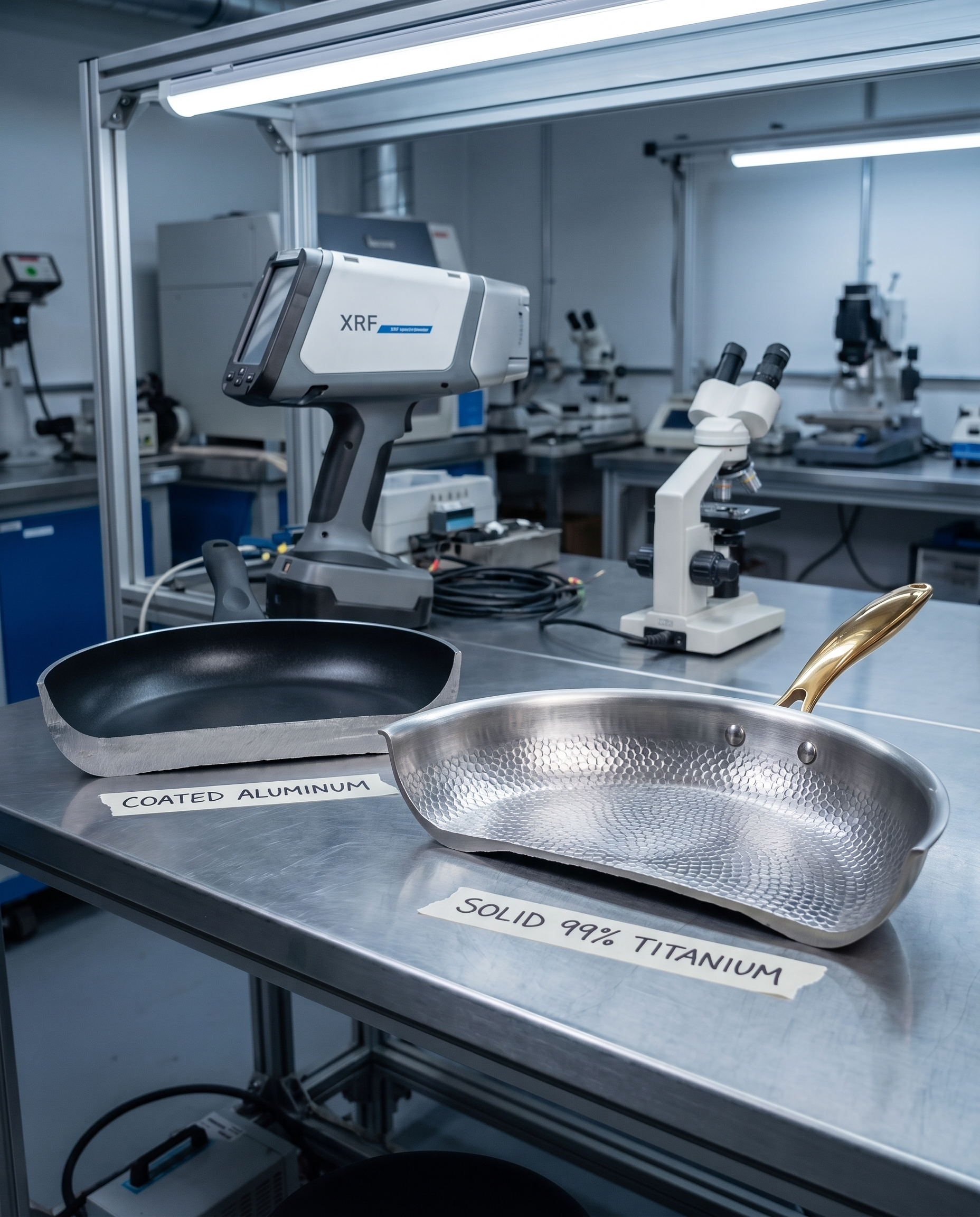
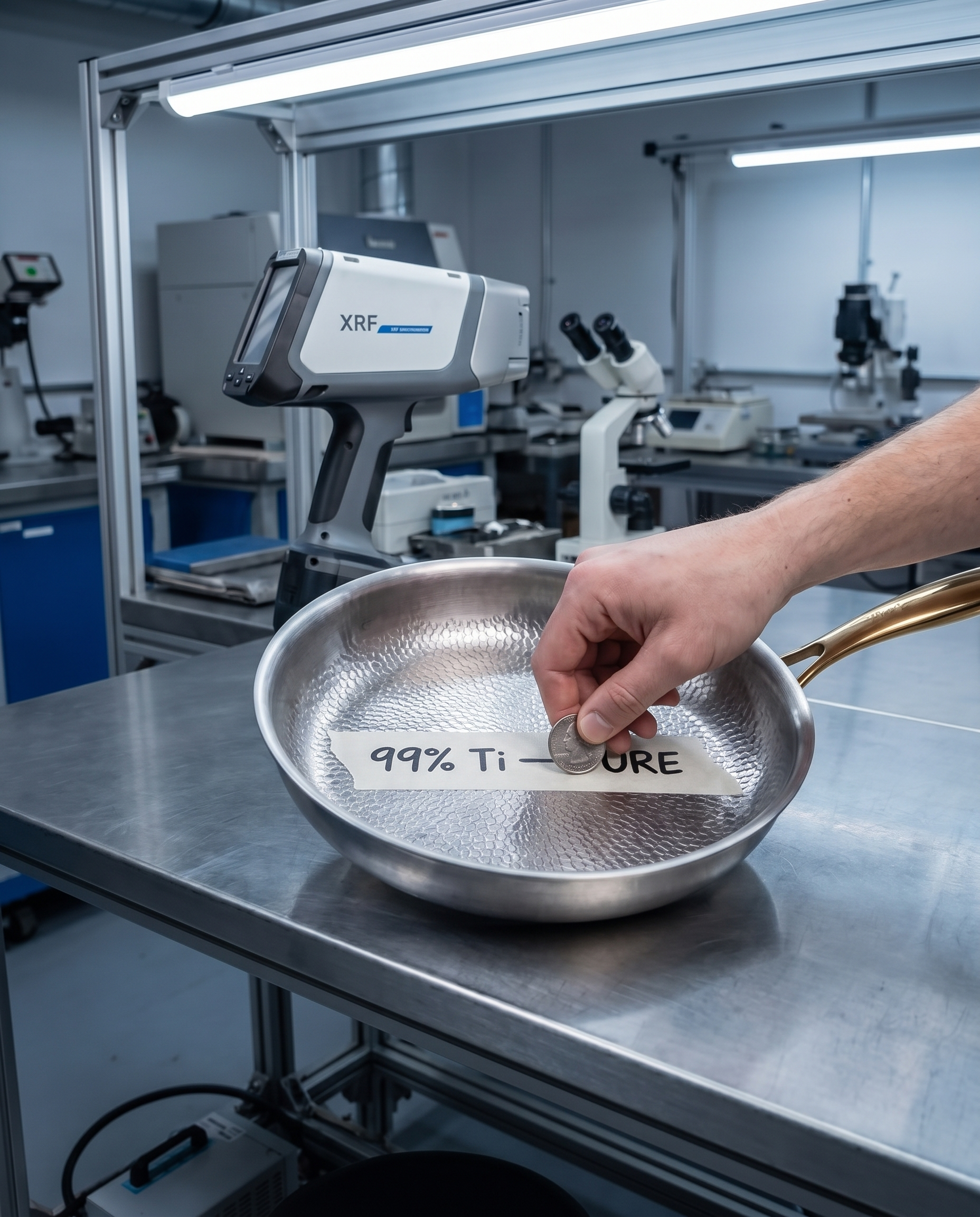
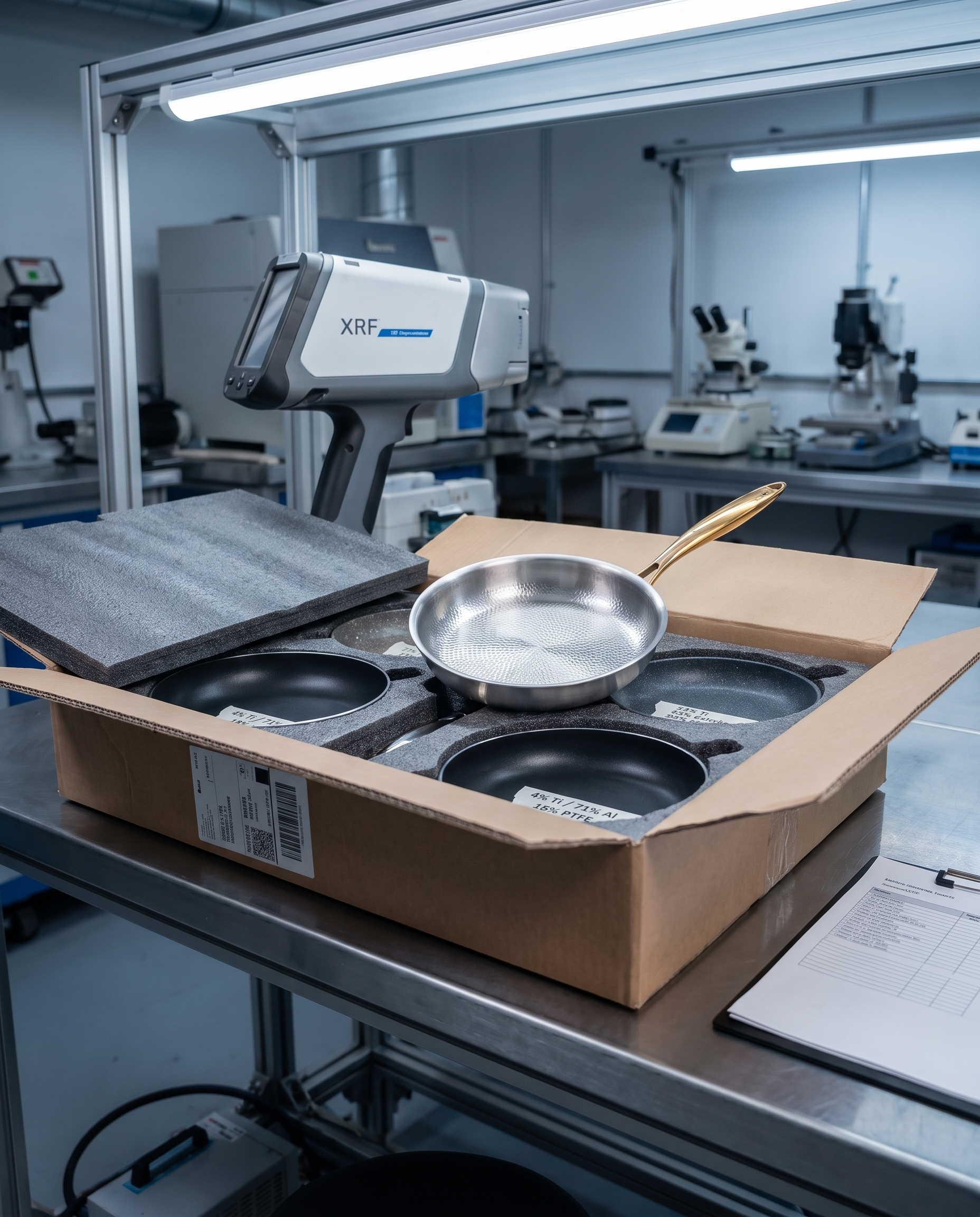
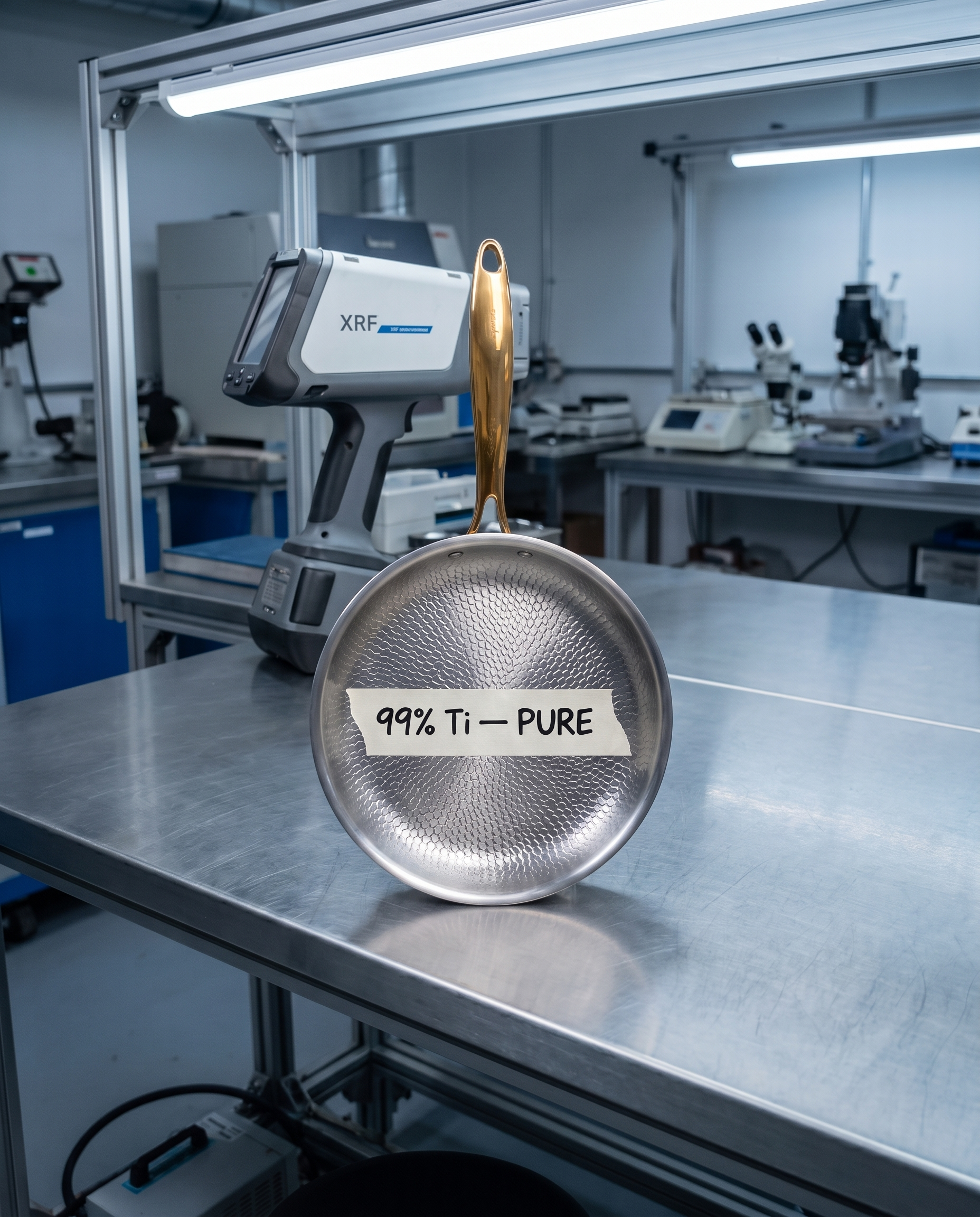
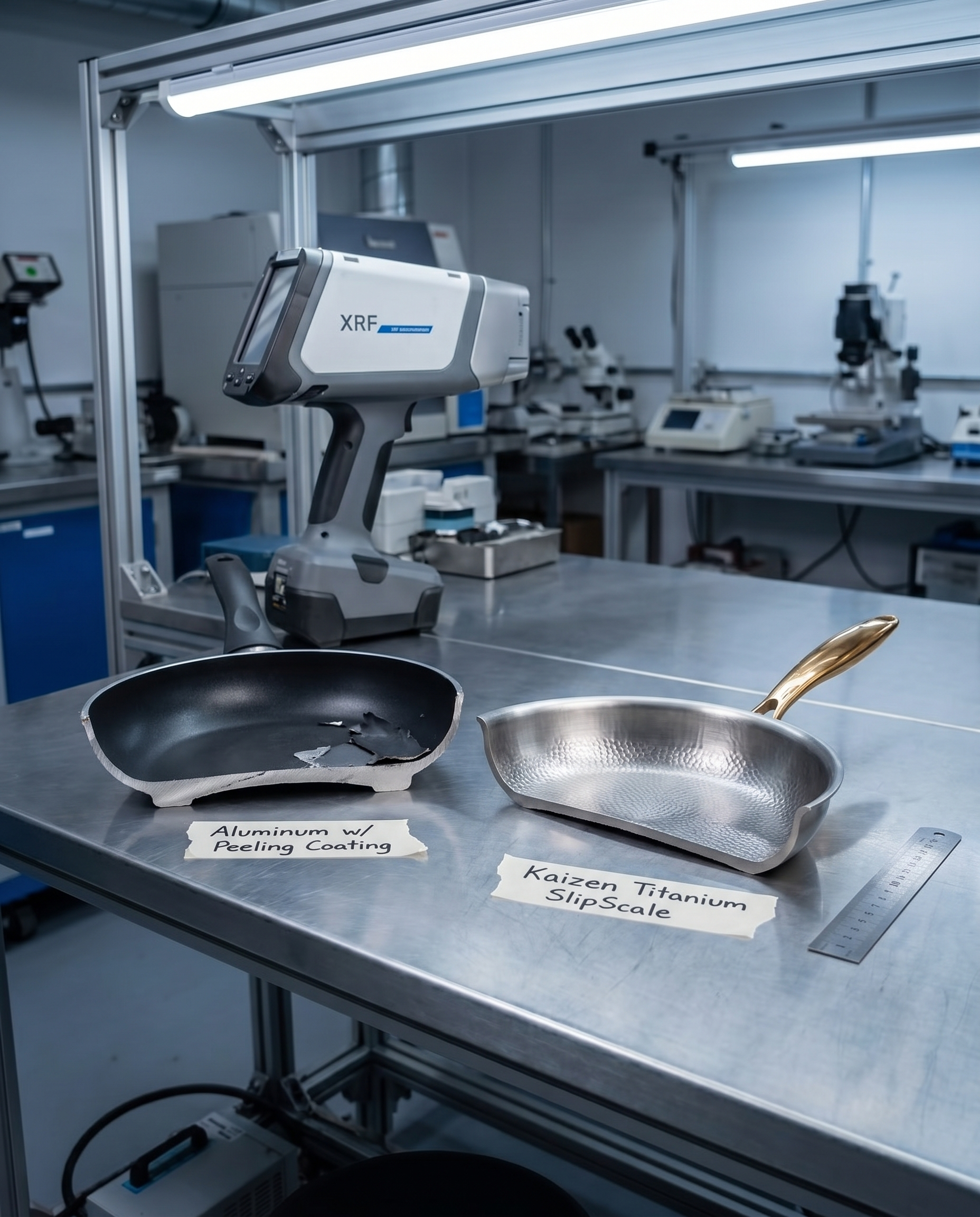
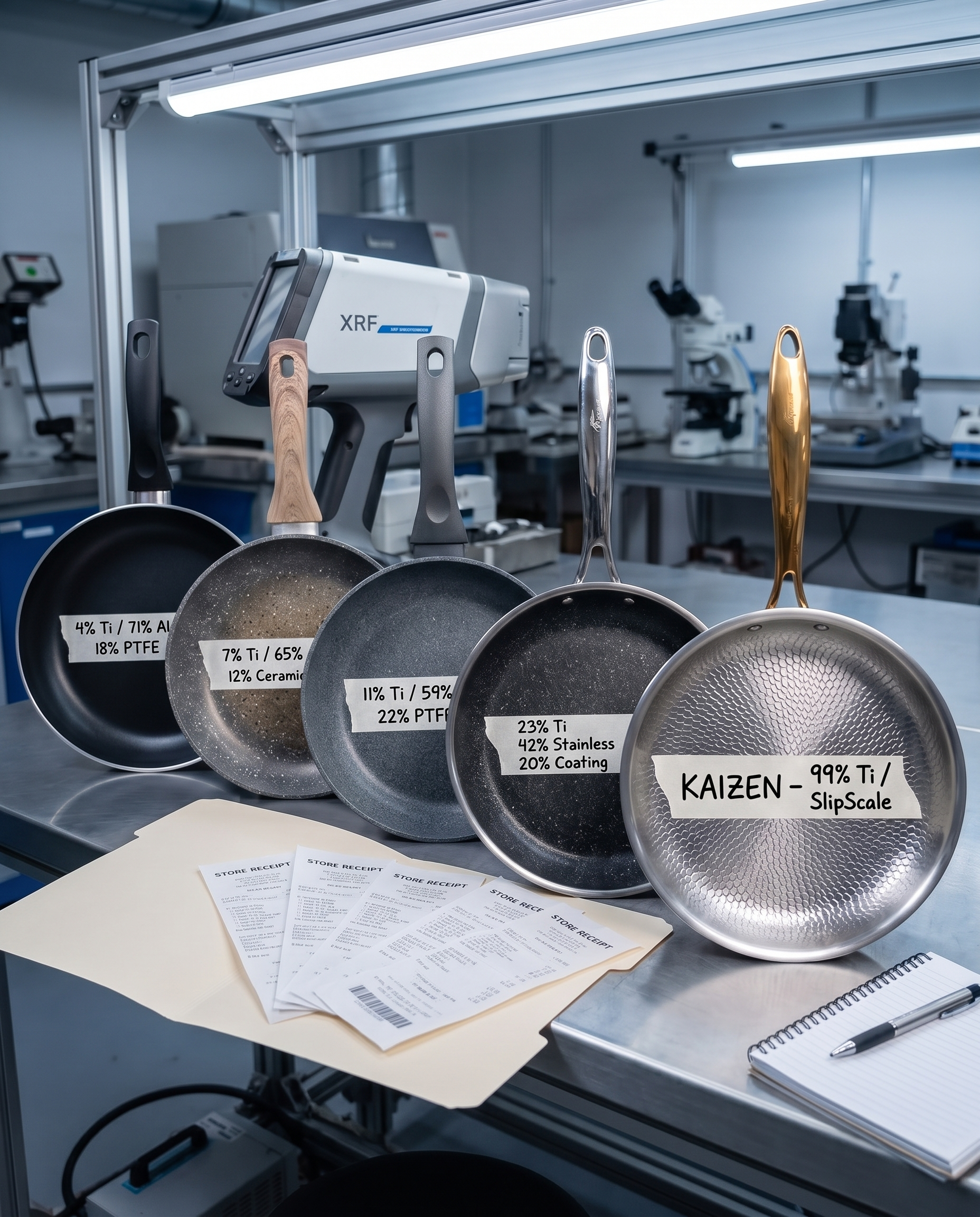
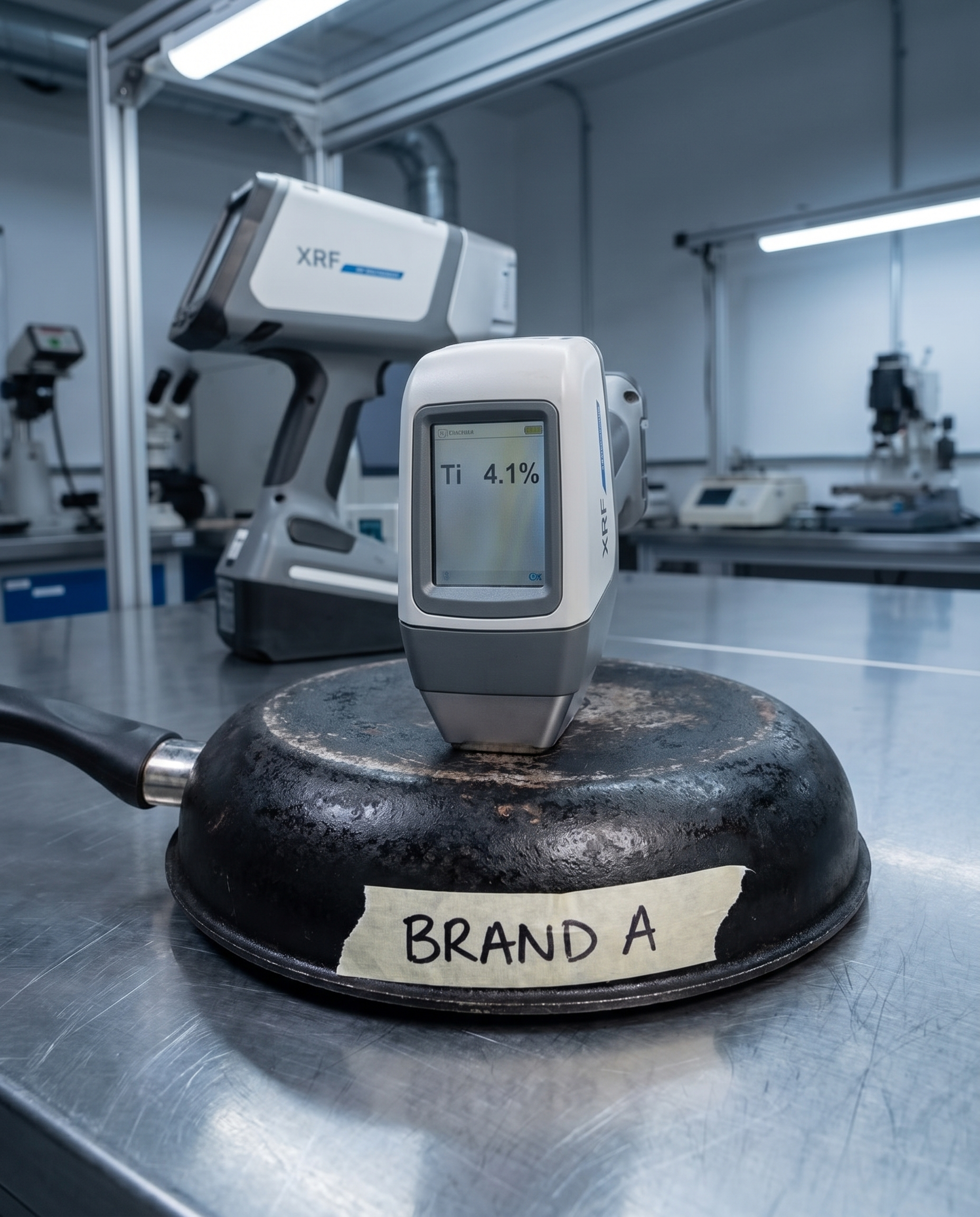
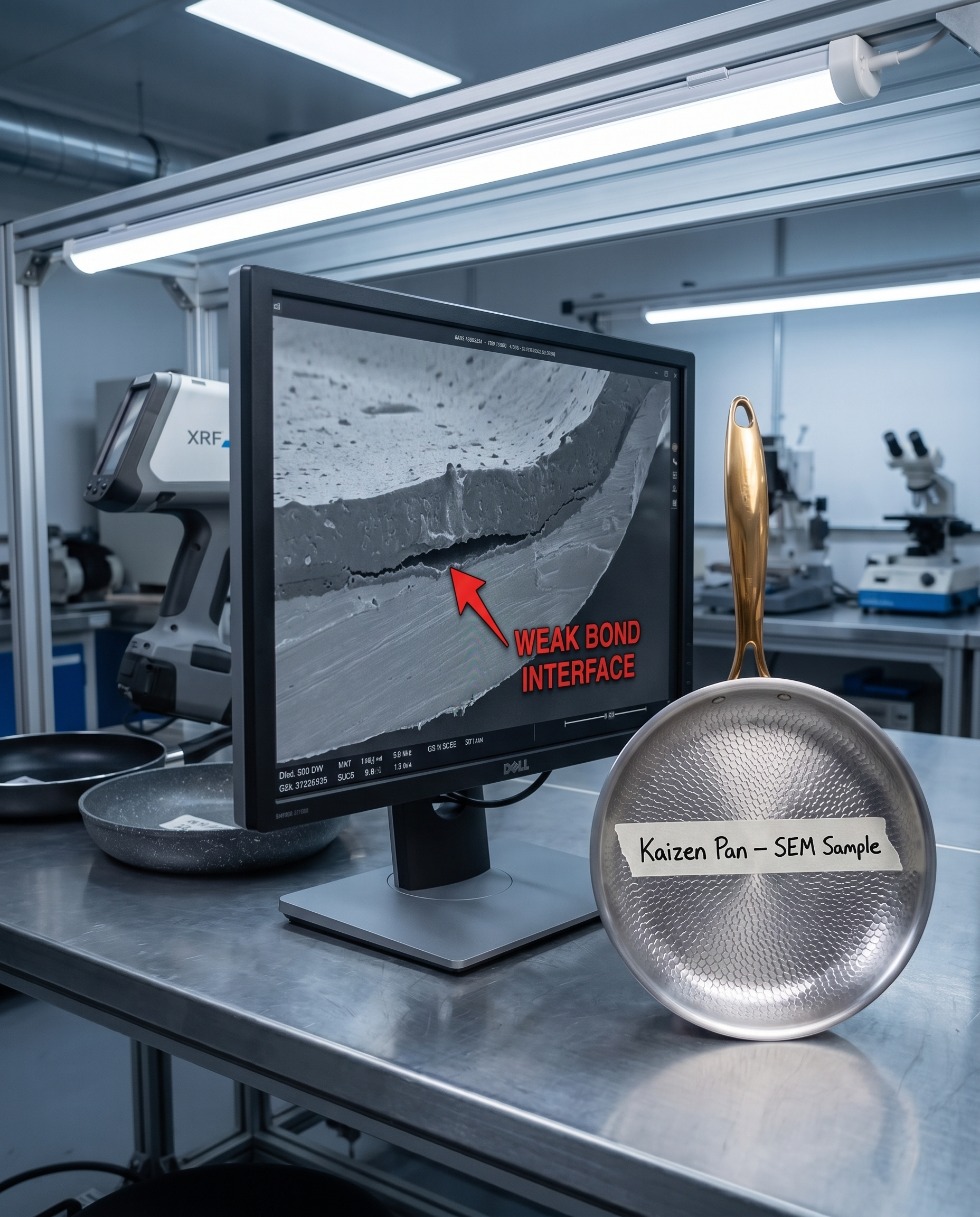
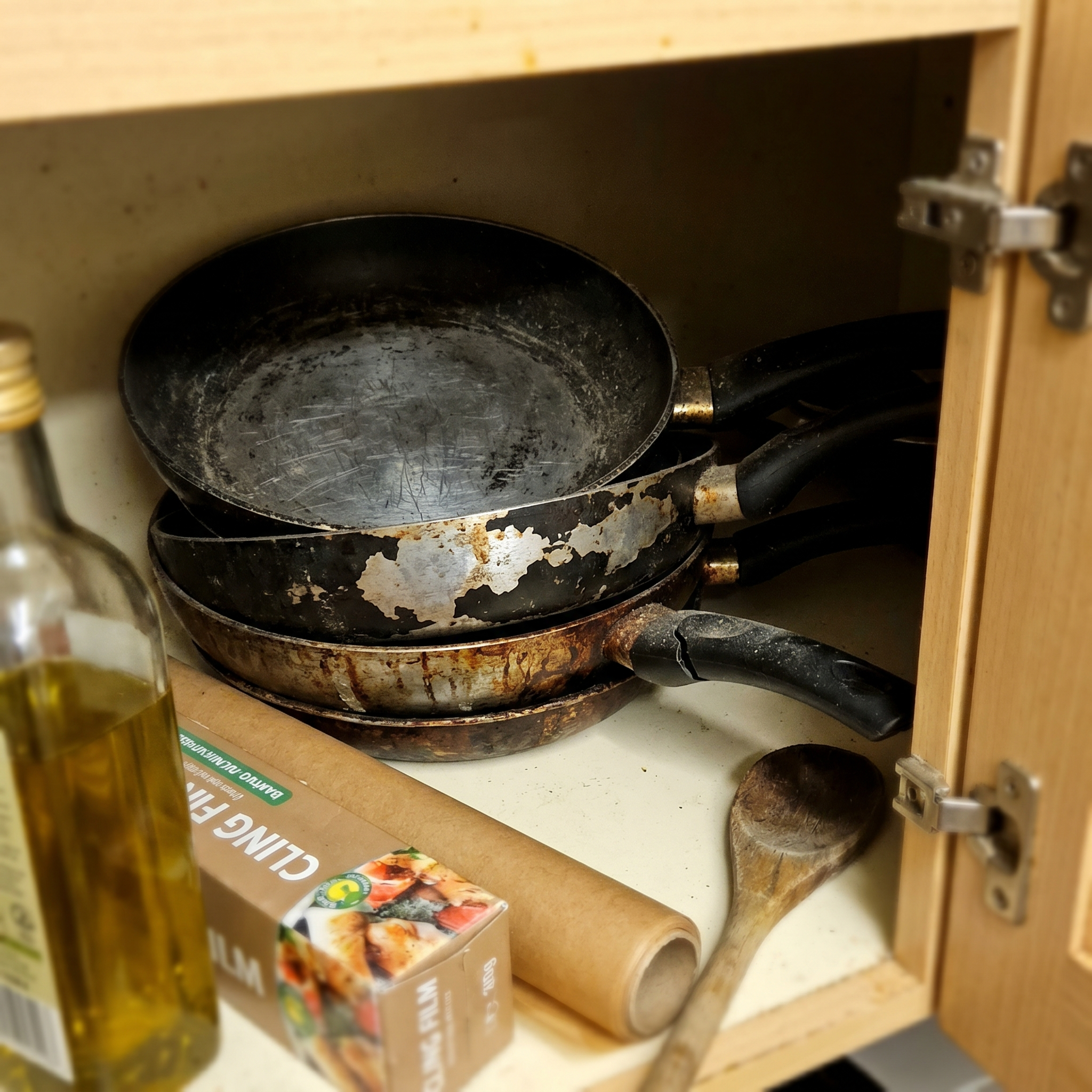
"There are only 2 types of pan that aren't designed to fail. Everything else — including the ones in your cupboard right now — is engineered to need replacing." A materials engineer told me that. He'd spent 12 years designing cookware for one of the biggest brands sold across Europe. It took me four months to find out which 2 they were. When I did, I understood immediately why nobody talks about them. Here's how it started. I keep a spreadsheet of everything I buy that costs more than 30€. Not because I'm obsessive. Because I believe in buying less, but buying right. If you invest in real quality, you stop repurchasing the same thing every year. It works for almost everything I own. My Red Wing boots: 2016, 290€. Resoled once. Still going. My Victorinox chef's knife: 2018, 95€. Sharpened twice a year. Perfect. My cast iron casserole dish: 2019, 135€. Looks better now than when I bought it. My father's watch: 1974. Still keeping perfect time. But there is one column in that spreadsheet that is a graveyard. Frying pans. 2018: Tefal Ingenio. 42€. "Professional non-stick." Lasted 14 months. 2019: Tower Cerastone. 49€. "Ceramic coating, toxin-free." Lasted 11 months. 2020: WMF Permadur. 79€. "Total non-stick system." Lasted 16 months. 2021: BRA Efficient Pro. 75€. "Zero compromise performance." Lasted 15 months. 2022: Le Creuset TNS. 109€. "The last pan you'll ever need." Lasted 17 months. Five pans. Five brands. Prices between 42€ and 109€. All of them between 11 and 17 months. 354€ total. All of them failing exactly the same way. Scratches across the centre first. Then food starting to stick in patches. Then the coating lifting at the edges. Then small dark flakes in the food that weren't pepper. I remember standing at the bin with the Le Creuset in my hand — the one that cost 109€ and promised to be the last pan I'd ever need — and thinking: this is the fifth time I've done this exact thing. My partner looked at me and said something I couldn't argue with. "You research everything. You never buy cheap. And you replace that pan every single year. Doesn't that tell you something?" He was right. Everything else I own with the same level of care lasts years. Some of it lasts decades. The pans never make it to two years. It wasn't my choices that were wrong. It was the entire category. That night I stopped searching for "best non-stick pan" — I'd done that five times already and it had delivered five identical results. Instead I searched: "Why do non-stick coatings fail?" What I found explained every single entry in that spreadsheet column. Every pan I had owned was built on the same principle: an aluminium base with a layer of PTFE on top. It doesn't matter what the box says. "Ceramic." "Stone-derived." "Titanium-reinforced." "Diamond-infused." The vast majority of non-stick pans on the market use variations of the same coating system. And that coating has a known chemical lifespan. 12 to 18 months of daily cooking before degradation begins. It's not poor manufacturing. It's not bad luck. It's chemistry. Above 260 degrees — medium-high heat on most hobs — PTFE begins to break down. Every cooking cycle accelerates the process. My five pans had lasted between 11 and 17 months. Exactly within the chemical failure window. This was not a coincidence. And the part that made me close the laptop and sit with it for a moment: the manufacturers know this precisely. They've measured it. They know exactly how many heat cycles the coating survives before failure begins. There is a spreadsheet somewhere — not unlike mine — that has this number in it. They build the retail price around planned replacement, not around longevity. A pan that lasts 30 years sells once per customer. A pan that lasts 15 months sells twenty times. The arithmetic of that business model is not subtle. But what I found next was worse than the business model. PTFE coatings contain PFAS. Per- and polyfluoroalkyl substances. They're called "forever chemicals" because they don't break down — not in soil, not in water, not in the human body. When the coating on your pan degrades, those particles go somewhere. They're microscopic. You can't see them. You can't taste them. But they're in the food. Five pans degrading in my kitchen over five years. Thousands of meals. That information is not printed on any box I had ever bought. I started looking for a material without this problem. Stainless steel: lasts decades, genuinely. But food sticks badly even with oil. I bought a quality stainless pan and fought it for three weeks. Everything welded to the surface. Returned it. Cast iron: indestructible. But it weighs 3kg, needs regular seasoning, and requires technique I don't have at 7am before work. I tried it for six weeks. Gave up. High-end ceramic without PTFE: four months of good performance. By month five it was sticking. Another coating with another expiry date. Every alternative had a compromise that made daily cooking impractical. So I changed how I was searching. I stopped reading cookware review sites — the ones ranking the same PTFE pans in order of price — and started reading materials engineering forums. I wanted to know what materials resist heat and intensive daily use for decades without degrading. I found a thread about durability of metals in extreme environments. An engineer explained that surgical-grade 316 stainless steel is used in medical instruments that are sterilised at high temperature thousands of times without degrading. There are surgical tools made from this grade of steel that have been in use since the 1960s. More than 60 years. I was replacing pans every 14 months. And on titanium: it forms a stable oxide layer that is self-repairing. Completely inert. Biocompatible. That's why it's used in hip replacements that stay inside the human body for 40 years without reacting with anything. If it can sit inside a bone for 40 years, it can sit in my kitchen. Pure titanium over surgical-grade steel creates natural non-stick. Not through a coating. Not through chemistry that has an expiry date. Through physics. Through what the material simply is. I searched for pans built this way. 90% of what came back was aluminium with a "titanium-infused coating." More PTFE with a different name on the box. I found a technical analysis where someone had independently verified the actual composition of sixteen pans sold as "titanium." Fifteen were conventional coating with marketing. One was real. One of sixteen. I kept looking. Found a second brand referenced in an engineering forum discussing biocompatibility of cookware metals. Two brands. From the hundreds that exist. Both small. Neither publicly traded. Neither designed around the replacement cycle that funds the major brands. I investigated the materials. Pure titanium. No coating. No PTFE. No PFAS. Nothing sitting on top of the surface that can scratch through, degrade, or end up in food. The non-stick property isn't applied. It's structural. One of the two brands cost over 320€. The other was less than I'd paid for the Le Creuset. I opened my spreadsheet. 354€ on five dead pans. At the same replacement rate, I was heading toward 1.200€ over the next decade. Ten pans in landfill. And a cost-per-year that was higher than buying the titanium pan once and keeping it for life. The maths wasn't complicated. But what actually made me decide wasn't the maths. It was something smaller. My grandmother had a cast iron pan she'd had since the 1950s. She cooked in it every day for forty years. She left it to my mother. My mother still uses it. Three generations. One pan. I was on my fifth in five years. At some point, cookware stopped being something you kept and became something you replaced. That shift happened so gradually nobody questioned it. I questioned it. The brand was Kaizen. Pure titanium. No coating. No PTFE. No PFAS. Works on every hob including induction. It arrived in four days. The first thing I noticed was the surface. Not smooth like nonstick. A fine hammered texture across the entire cooking area. This is the titanium itself — not a coating over something else. The surface you cook on is the material all the way through. That evening I cooked eggs. Two drops of oil. They moved across the surface the way eggs used to move in every new pan I'd ever bought — before the coating started dying. I cleaned it in twenty seconds under running water. That was 15 months ago. 15 months of daily cooking. Eggs every morning. Meat, fish, vegetables, sauces. The pan looks exactly the same as the day it arrived. No deep scratches. No worn patches. No loss of non-stick performance. No flakes in the food. My previous five pans were all dead or dying at the 15-month mark. This one is unchanged. I updated my spreadsheet. "Kaizen. Pure titanium. No coating." In the estimated lifespan column, I typed something I have never typed in the pan category before. "20+ years." My partner picked it up last week. Turned it over. Ran his thumb across the surface. "It still looks new." "15 months." He looked at the cupboard where the last three dead pans are still sitting because I haven't cleared them out yet. "So that's the last one, then." Yes. That's the last one. I'm not writing this to tell you to buy a specific pan. I'm writing this because you are probably where I was 16 months ago. Buying 50€, 70€, 100€ pans and replacing them every year. Assuming the more you spend the longer it lasts. Frustrated that nothing you try ever seems to last. The problem isn't your choices. It's that the material every mainstream pan is made from has a built-in chemical expiry date. The brands know exactly when it fails. They designed it that way. The alternative exists. But it's not in the non-stick aisle. It's not made by any of the brands you know. It's made from a completely different material. Kaizen. Pure titanium. No PTFE. No PFAS. No coating. Works on all hobs. Free shipping. 30-day trial. The pan that doesn't have an expiry date. I decided 15 months ago. Every morning when I cook breakfast in a pan that looks exactly like it did on day one, I'm glad I did. Because for the first time in that spreadsheet column, I've got something that belongs in the same row as the boots, the knife, and my father's watch. Something built to last. Not built to be replaced. Link below. 👇
The pan you're scraping eggs off was engineered to fail.
A materials engineer told me there are only 2 brands not designed to expire. It took me a month to find them. 15 months later, I haven't replaced a pan since.
LEARN MORELike this ad? Make it yours.
Crush rebuilds this exact creative around your product — your brand, your colors, your offer — in about a minute.