
Inactive· since May 15, 2026
- 99
- days it ran
- 3
- relaunches
- 31,034
- EU reach
Ad copy
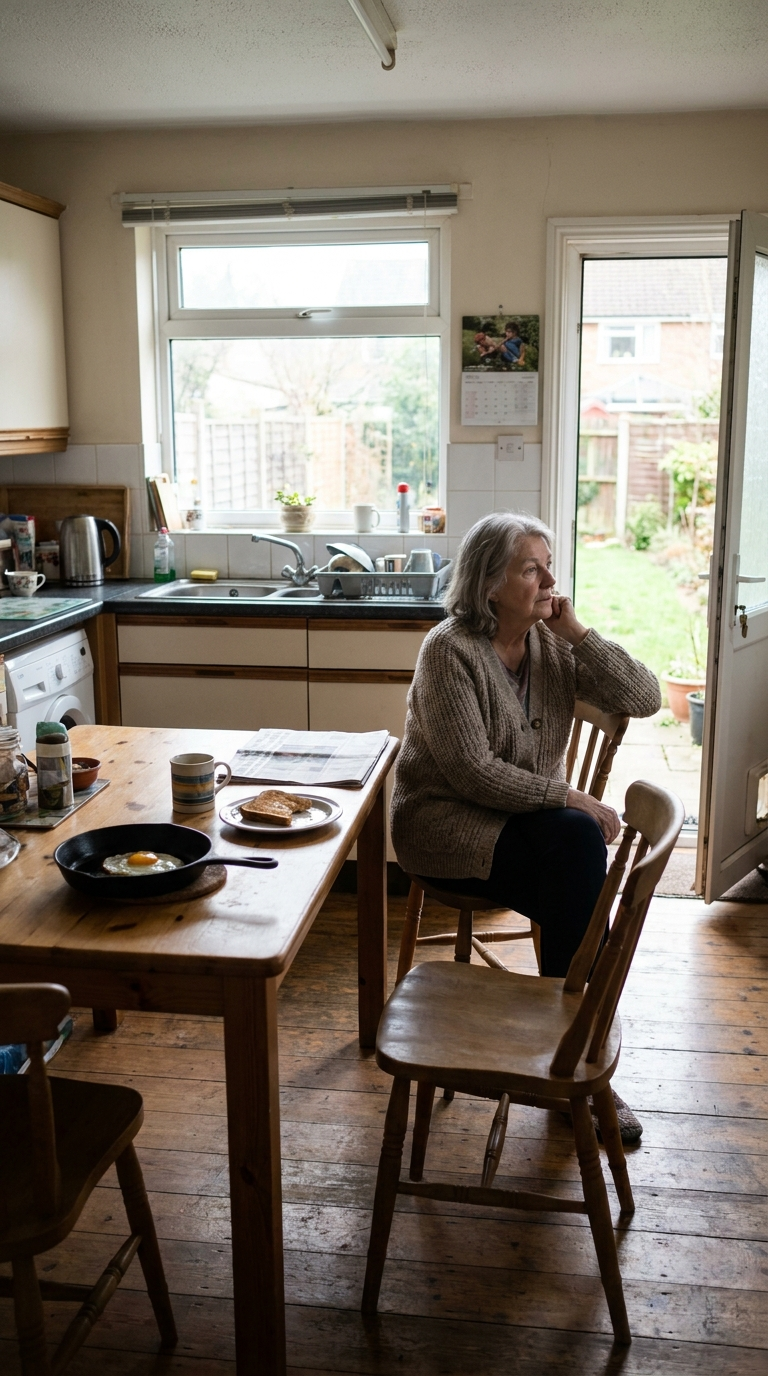
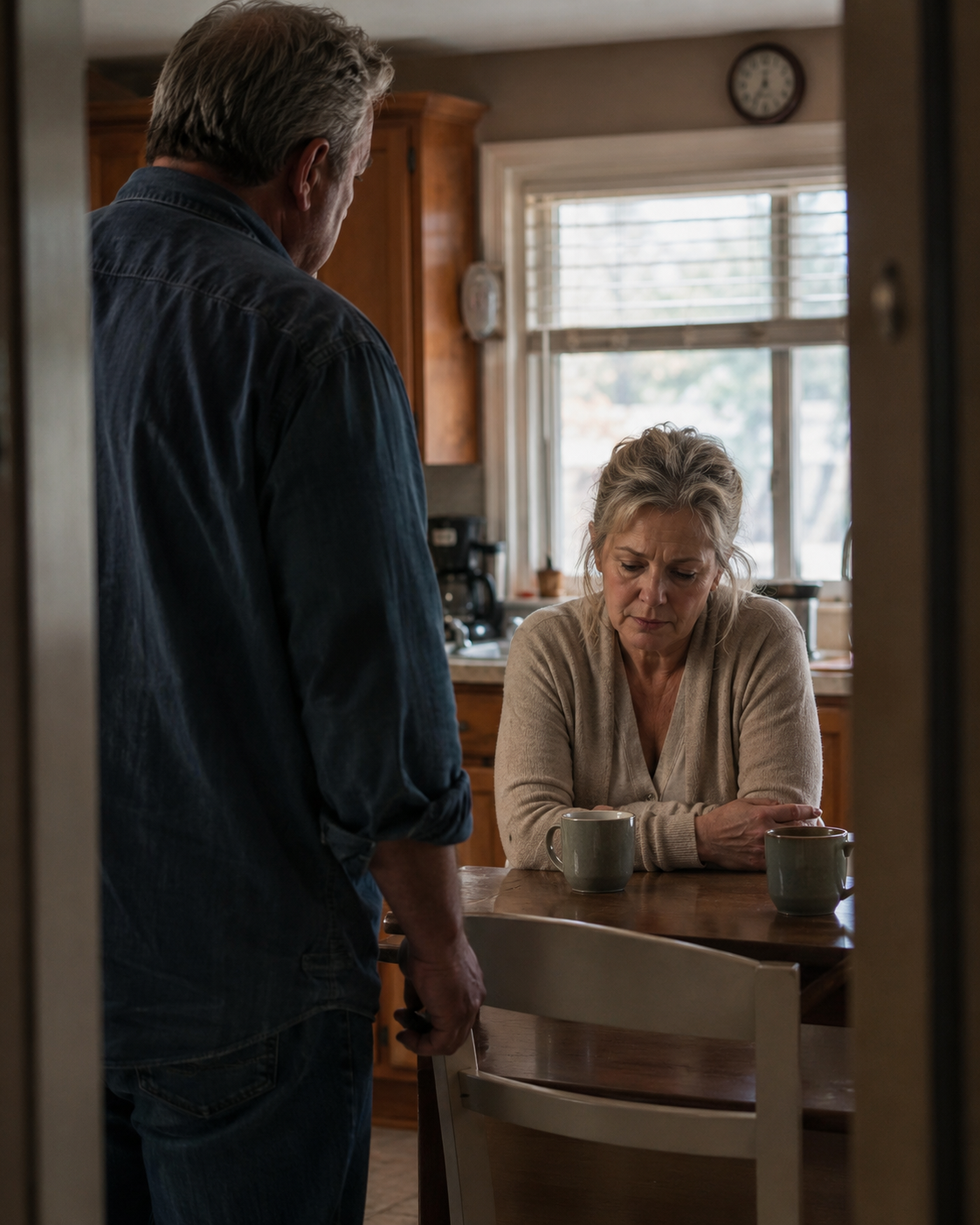
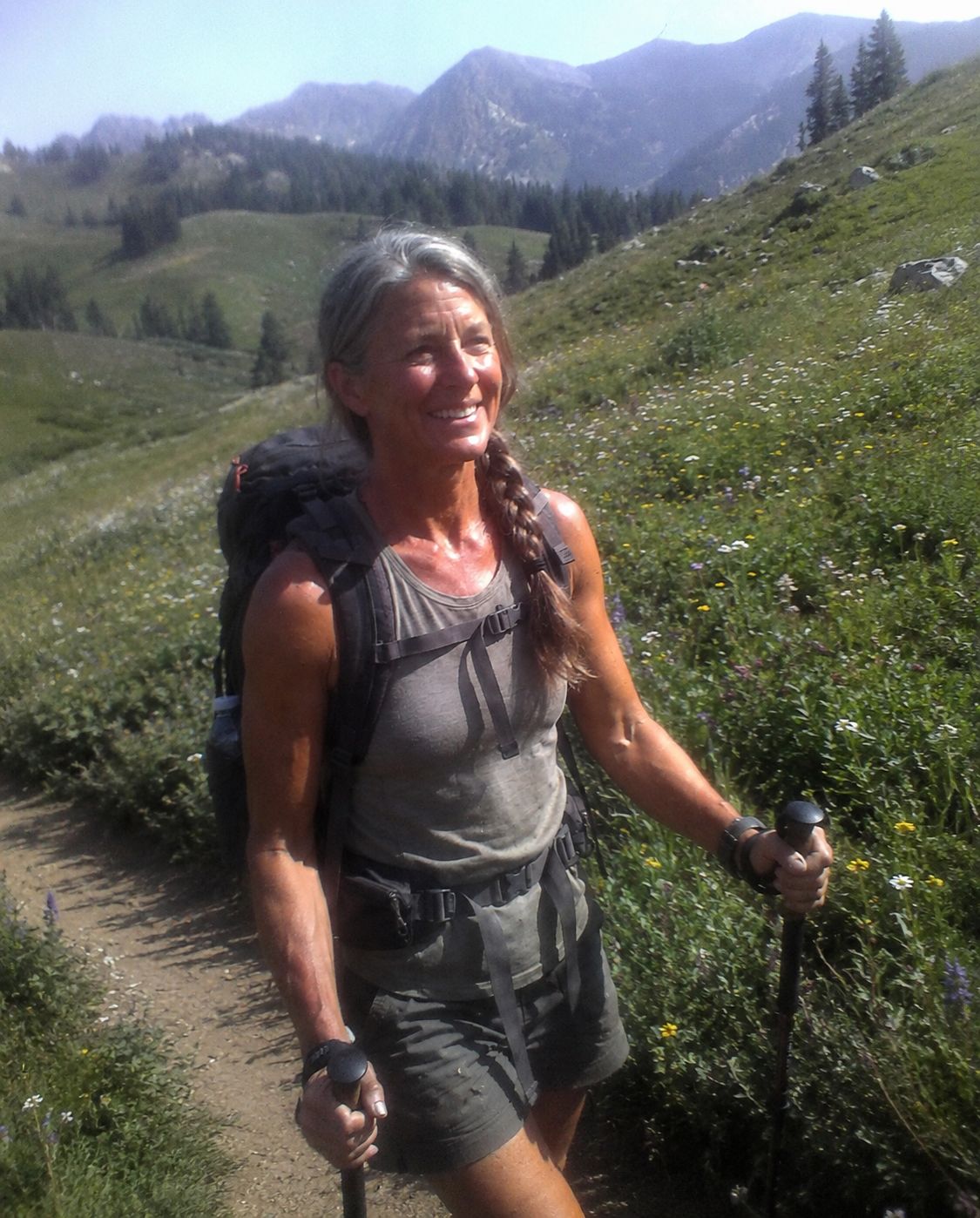
An eighty-two-year-old Amish man stood up at my daughter's wedding last October and said one sentence that has been with me every day since. It changed how I saw the man I had been married to for forty-one years. My daughter married an Amish man named Joseph Miller in October. He is the grandson of a man named Abraham who is the reason I'm writing this letter. I want to tell you about the wedding. But you won't understand the wedding without understanding what came before it. My name is Caroline. People have called me Carrie since I was eight years old. I am sixty. I live in southern Pennsylvania with my husband, Daniel, who is sixty-four. Daniel was an electrician for forty years. He retired eighteen months ago. We have two children. A son in Philadelphia who is thirty-one, and a daughter named Hannah who is twenty-seven and lives, now, in Holmes County, Ohio. I retired three years ago after twenty-eight years of keeping the books at a small real estate firm two towns over. I am not a writer. I have never written a letter like this in my life. I am writing this one because someone needs to. I want to tell you, before I tell you about the wedding, about the gap I had been living in for almost three years. The gap between the man Daniel was at fifty-eight, when he was still working, and the man Daniel had become at sixty-four, eighteen months into retirement. It wasn't dramatic. That's the hard part of explaining it to anyone. Daniel didn't have a heart attack. Daniel didn't get a diagnosis. Daniel's doctor — Dr. Patel, a careful woman we've been seeing for twelve years — had been telling him at his annual physicals that his cholesterol numbers had been creeping for three years. She had been telling him that we were getting to the point where she was going to want to put him on something small. Daniel had been telling her that he wanted six more months to work on it on his own. She had been giving him six more months. That was the clinical version of where Daniel was. The version I had been living with was harder to put into words. It looked like this. It looked like Daniel sitting at the kitchen table on a Tuesday morning with his coffee and staring at the wall for ten minutes before opening the newspaper. It looked like Daniel pausing on the landing of our split-level for two seconds before continuing up to the bedroom — not because anything hurt, just because the climb was a little more climb than it used to be. It looked like Daniel falling asleep in his chair at eight o'clock most nights. It looked like Daniel's tackle box sitting in the garage exactly where he had left it the last weekend he had fished, which was twenty-two months ago. It looked like a man who had built a career with his hands for forty years and who, in the eighteen months since the work had stopped, had quietly stopped reaching for things. None of it was alarming on its own. I had spent three years telling myself it was retirement. I had spent three years telling myself it was sixty-four. I had spent three years calling it aging because that's what everyone calls it. Hannah met Joseph in the spring of her last year of graduate school. She had been doing field research for almost two years on heritage farming and rural farming communities. Some of that work had brought her, on and off, to Holmes County, Ohio. If you don't know Holmes County, it has one of the largest Old Order Amish communities in the country. Hannah had been interviewing families about generational farming practices, soil management, seed saving, food preservation. She had been doing it the way she does everything, which is patiently and without ego. The Miller family had become one of the families she went back to most often. Joseph was the second son of the family. He was a year older than Hannah. He had been raised on the farm his great-grandfather had cleared in the 1890s. He milked cows at four-thirty in the morning and he could build almost anything with wood. I would have told you, if you had asked me eighteen months before any of this, that this was the last man on earth my daughter was going to marry. I would have been wrong. She told us at Christmas. She told us she was engaged. She told us she was going to be baptized into the church. She told us she was going to wear plain dress and learn to live without electricity in the house and learn to keep up a kitchen the way Joseph's mother kept hers up. Daniel sat at the kitchen table and didn't speak for a long time. I watched him hold his coffee cup with both hands wrapped around it. He'd been holding his coffee cup that way for the last year. Not because of the warmth. Because one hand alone didn't keep it as steady as it used to. He finally looked at Hannah and said: if he is good to you, sweetheart, we will love him. And then he stood up and went outside and stood in our driveway for fifteen minutes by himself. I let him have those fifteen minutes. We drove to Holmes County in late August. The first visit. Daniel was quiet for most of the seven-hour drive. He kept his hands on the wheel and didn't talk much. He doesn't talk much when he is working something out. The farm was beautiful. I want to say that first, because everything else I am about to tell you might make it sound like I didn't see how beautiful it was, but I did. White farmhouse. Wraparound porch. Red barn that looked like it had been standing since the war and would stand for another hundred years. Gardens laid out in lines so straight you would have thought they had been drawn with a ruler. Joseph met us at the end of the gravel drive. He shook Daniel's hand. I watched Daniel's hand move inside Joseph's hand the way a smaller stone moves inside a bigger one. Joseph's grip wasn't aggressive. It was just the grip of a man who works with his hands for fourteen hours a day. Daniel registered it the way men register these things, which is silently. Then Joseph's parents came out of the house. His father, Reuben, was sixty-two. He was built like the barn behind him. Wide. Solid. Sun-tanned. He had the kind of forearms that come from forty years of holding the reins of draft horses and the handle of a hay bale at the same time. Reuben is two years younger than Daniel. I want you to hold that fact in your hand for a moment. Two years. Joseph's mother, Mary, was sixty. She is my exact age. She took my two hands in her two hands and said: your daughter is a gift. We have already begun to love her. I cried a little. She let me. Then Abraham came out of the barn. Abraham is Joseph's grandfather. He is eighty-two years old. He walked across the yard toward us, and I want to tell you exactly how he walked, because it matters for the rest of this letter. He didn't shuffle. He didn't reach for anything. He didn't pause halfway. He walked the way a man walks when his body and his mind are still in the same conversation. Straight back. Steady stride. A wooden plane in his right hand, because he had been planing a board in the barn when we drove up. He was eighty-two. It was nine-thirty on a Saturday morning. He was building something. He came up to us and shook Daniel's hand. His grip was steady. Daniel registered that one too. We sat on the porch for two hours. Mary brought coffee in a stoneware pot and a plate of cinnamon rolls she had made that morning. We talked the way people talk who are trying, on both sides, to find the bridge. I learned that Reuben had been farming this land since he was thirteen. I learned that Mary had sewn every piece of clothing on her family's bodies for forty years. I learned that Abraham had built the porch we were sitting on. And the chairs. And the table. And the barn. And about half of the house behind it. I watched Abraham eat his cinnamon roll. Eighty-two years old. He held his fork the way he had probably held a fork for seventy-five years. Without thinking about it. Without compensation. Without a single small adjustment. I looked at Daniel. He was holding his coffee with both hands. He'd been holding it that way for over a year. I'd been pretending not to notice for over a year. The wedding was in October. Six weeks after the engagement was settled. Six weeks that felt like six months. Amish weddings are not what you might think. They are long. They are in the home or the barn. There is no music. There are no flowers in the way we'd think of flowers. There is no white dress. The beauty is in the simplicity. Hannah wore a blue dress that Mary had sewn for her. Joseph stood across from her in a black coat and a white shirt. They did not exchange rings. They made promises. I cried. Not because I was sad. Because my daughter had chosen a life I did not yet understand, and I could see, standing in that barn, that she was where she was supposed to be. The reception was in the farmhouse. Long tables. Food that had been cooked by the women of the community. Roast chicken. Mashed potatoes. Creamed celery. Fresh bread. More pie than I had ever seen in one room in my life. No alcohol. No music. Just people eating and talking and laughing in a house that smelled like food and wood smoke and kerosene lamps. The toasts came after dinner. In Amish weddings, the toasts are informal. People stand up and speak when they feel moved to speak. Reuben spoke first. Then Mary. Then my sister, who had driven up with us, kept hers short and warm. Then Daniel stood up. Daniel is not a public speaker. He has not given a speech in our forty-one years together that was longer than three sentences. But he stood up at the head of that table and he spoke about Hannah. About the morning she was born. About teaching her to throw a baseball when she was six. About watching her graduate from college and knowing, the way fathers know, that she was going to go somewhere he could not follow. His voice cracked twice. He held his water glass with both hands because one hand alone would have shaken too much to hold it. He finished. People clapped. He sat down. He reached for my hand under the table and squeezed. His grip was lighter than it used to be. I squeezed back harder to make up the difference. Then Abraham stood up. The room got quiet the way a room gets quiet for a man who does not speak often. You could hear the kerosene lamps hissing on the walls. He looked at Hannah first. He smiled at her. Then he looked at our side of the table. At me. At Daniel. At my sister. He looked at us the way you look at people you have been thinking about for a long time before deciding what you want to say. He said: I want to welcome Hannah's family into ours. You raised a daughter who chose us. That is a serious thing. It means she saw something here she was willing to give up her world for. He paused. He took a breath. Then he said the sentence that has been with me every day since. The body remembers what we ask of it. And what we don't. He didn't say anything else after it. He just nodded once, and he sat back down. People raised their glasses. The room slowly came back to itself. But I sat there with my own glass in my hand and I could not move. Abraham had not said anything dramatic. He had not pointed at anyone. He had not named anything. He had simply looked at the man sitting next to me — at my husband, who had just given a toast holding his water glass with both hands — and he had said, in a voice gentle enough to be a blessing, the body remembers what we ask of it. And what we don't. I had been refusing to read that record for almost three years. We drove home the next morning. Daniel was quiet for the first hour. Then he said: the old man saw something. He did. Daniel didn't answer that. He looked out the passenger window. His hands were in his lap. They were still. I want to tell you what I had been refusing to see. I am going to tell it to you the way I told it to myself in the kitchen the morning after we got home. The hands. Daniel had been flexing his fingers every morning for the last eighteen months. Open and close. Open and close. For three or four minutes before he could grip the toothbrush. He runs them under hot water at the bathroom sink. He thinks I'm still asleep. I have not been asleep during that ritual for a long time. The stairs. Our house is a split-level. Daniel had been pausing on the landing for two seconds before going up to our bedroom. Not for pain. Just because the climb was a little more climb than it used to be. The evenings. Daniel had been in his recliner by seven-thirty most nights. The television was watching him. He fell asleep with the remote in his hand. I covered him with a blanket and went to bed alone. We used to talk until ten. I could not remember the last time we had a conversation that lasted past eight. The fishing. Daniel had not taken the boat out in twenty-two months. The tackle box sat in the garage exactly where he had set it down the last weekend he had used it. The garage. He had built a deck on the back of our house in 2014. He had built bookshelves for our son's apartment in 2017. He had built a planter box for me in 2018. He hadn't built anything since. The table saw had dust on it. I had been calling all of it retirement. I had been calling all of it sixty-four. Reuben is sixty-two. Reuben works fourteen-hour days. Abraham is eighty-two. Abraham was carrying a plane through the yard when we pulled into the drive. That is not what sixty-four looks like. That is what sixty-four can look like. Something else is in place for those men that is not in place for Daniel. I did not know what that something was the morning after the wedding. But I knew it existed. Because I had spent three days watching it. I carried it for three weeks. I didn't tell Daniel what I was thinking. I didn't tell my sister. I didn't tell anyone. I just watched. I watched Daniel flex his fingers every morning. I watched him pause at the landing. I watched him fall asleep at seven-thirty. I watched the man I had been married to for forty-one years move through our house carefully, like a man negotiating with his own body. Then Hannah called. Mom, I want to come down for the day. I have something I have been thinking about since the wedding. Nothing serious. Just something I would like to bring you and Dad. She drove down on a Saturday. I made coffee. She sat at our kitchen table. She set a small bottle in front of me. Mom, she said. I am not a doctor. I am not pretending to be one. Nothing I am about to say is medical advice. I am your daughter and I have been doing field research and I have come across something I think might be worth talking to Dad's doctor about. Go ahead, sweetheart. She took a breath. My research at the Miller farm wasn't really about hearts. It was about how rural communities age. What I noticed, after enough visits, was that the men in Joseph's family — and a lot of the men in their wider community — have certain things in common in how they live that the rest of us mostly don't have anymore. Some of it is obvious. Hard physical work. Food they grow themselves. They don't sit for twelve hours a day. They eat dinner before sundown. She paused. But the part of my research that surprised me was the food itself. Not the calories or the macros. What is in the food. They eat a lot of root vegetables. They eat a lot of beets specifically. The deep red color in the beet is a class of compounds called betalains. They are one of the more potent antioxidants in the food supply. They support the body's natural antioxidant balance, and the cardiovascular research community talks about them in the context of supporting healthy circulation, cardiovascular wellness, and the body's own cellular energy. She slid a folder across the table. Beetroot has been studied for cardiovascular wellness for a long time. The research is real and it is not a fringe area. Decades of careful work. I want to be clear that what I noticed in Joseph's family is anecdotal observation from one family, not a clinical study. I nodded. For people who aren't going to move to a farm and grow their own beets, which is most of us, there are supplements that try to deliver concentrated betalains. The betalain pigment is heat-sensitive — that is the chemistry of the molecule — and the way the beetroot is processed matters for what makes it from the field into the capsule. The one I came across is called Rosabella. They cold-press the root at low temperatures, because they want as much of the compound as possible to survive the processing. The capsules are a deep crimson. That is the betalain being intact. She set the bottle gently on the table between us. Mom, I am not telling you this is going to fix Dad. I am not telling you it is a substitute for anything his doctor recommends. I am telling you Dad has been creeping toward needing a cardiovascular medication for three years. His doctor has mentioned it. He has been resisting because he is a stubborn man and his father was a stubborn man before him. Maybe it is worth adding one small thing to his morning routine, with his doctor's blessing, alongside everything else he is already doing. Talk to his doctor first. Make sure there is nothing that would interact. If his doctor says it is a sensible thing to add, give it a few weeks. If it does nothing, you have lost a few weeks. If it helps, it might give Dad a little more room to keep doing what he is doing. I picked up the bottle. I held it in my hand. Does Joseph know you are here? He drove me. He's at a hardware store down the road. He said this was between you and me. That afternoon, I called Dr. Patel's office. I spoke to her nurse first. I told her what Hannah had brought, what brand, what the dosage was, what Daniel was currently taking. Daniel is on no prescription medications. He takes a multivitamin and a vitamin D in the winter. The nurse listened. She told me she would talk to Dr. Patel and call me back. She called back inside an hour. She told me Dr. Patel had said it was a sensible thing to add — antioxidant support, no concerns at the dosage on the label, nothing to interact with anything Daniel was taking — and to let her know how Daniel was doing at his next appointment. I want to say something now to every reader of this letter. Please make the call. If your husband — or you — is on any cardiovascular medication, this is non-negotiable. Beetroot supplements and cardiovascular medications can interact. The interaction is not necessarily anything. But it depends on the specific medication, the dose, what else is being taken, and what the prescribing physician would want. That is exactly the kind of question your pharmacist or your doctor's office can answer in two minutes. It is not a question to answer on your own. I called Dr. Patel's office and Daniel was on nothing. I would have called twice as fast if he had been on a cardiovascular medication. So should you. I told Daniel that night. I told him where the bottle came from. I told him what Hannah had said. I told him what Dr. Patel had said. I told him I wanted him to try it for me. He looked at the bottle. He looked at me. We have been married forty-one years. He knows when I am asking something that matters. Dr. Patel said it was alright? She said it was a sensible thing to add. He nodded once. Alright. I'll try it. In the morning, I set two capsules on a saucer next to his coffee. He took them with his first sip. I did not say anything more about it. He started on a Monday. The first two weeks he felt nothing in particular. I had read enough alongside what Hannah had said to know that bodies are different. Some people notice something within the first week or two. Some take much longer. Some don't notice much at all. I was prepared to land in any of those camps. I was prepared to be honest with myself about the result. The first thing I noticed, around week four, was the landing. Daniel went up the stairs to our bedroom on a Wednesday evening. He did not pause on the landing. He went up in one continuous motion, the way he had been going up the stairs for thirty years before he stopped. He didn't notice. I noticed. I did not say anything about it. I did not want to make a thing of it. I had read enough not to make a thing of one observation. The second thing I noticed, in week six, was the tackle box. Daniel was in the garage on a Saturday morning. I heard the sound of the tackle box opening. He came inside ten minutes later and asked me whether I wanted to go to the river with him. We have a small spot about twenty minutes from the house where he used to fish on Saturday mornings. I made sandwiches. We went. He stood on the bank for three hours. He caught two bluegill and one bass and let them all go. He drove home and did not collapse onto the couch. He took a shower and he sat with me on the back porch and we watched the evening come on the way we used to watch the evening come on. He went to bed at ten. The third thing I noticed, around week nine, was the evenings. Daniel had been in his recliner by seven-thirty every night for eighteen months. The television was watching him. He had been falling asleep with the remote in his hand. I had been covering him with a blanket and going to bed alone. Around week nine, I came home from the grocery store on a Tuesday afternoon and he was sitting on the couch with the newspaper. Not the recliner. The couch. That evening, after dinner, he stayed on the couch. We watched a baseball game we had not watched together in two summers. He was still awake at ten. The night after that, ten-thirty. The night after that, ten. I had not had Daniel awake in our living room at ten on a weeknight in eighteen months. I did not say anything about it. I did not want to make a thing of it. I made a quiet note and I kept paying attention. I want to be careful with what I am telling you. I am writing this to people I do not know. I am not telling you Rosabella did any of those things on its own. Daniel had been walking more after the wedding. I had been quietly leaving his walking shoes by the back door. He had started, on his own, after the wedding, to do small things — wash the truck, sweep the garage, pull a few weeds in the yard — that he had not done in a year. He had been doing the lifestyle work he had been telling Dr. Patel he wanted to do. Something had unlocked in him, the day of the wedding, that had nothing to do with a capsule on a saucer. There were several things changing at once, the way there are when a person decides finally to pay attention to something they have been waving off. All I am telling you is that he added one small thing to a long list of small things he was newly doing. He kept everything else exactly the same. And a stretch of months followed that was qualitatively different from the eighteen months that had preceded it. That is the honest version. I would not trust anyone who gave you a cleaner one. Daniel had his six-month check-in with Dr. Patel. Bloodwork the week before. She studied the results. She looked at Daniel. She said: your numbers are in better shape than they have been in three years. Keep doing what you are doing. Daniel told her. The walking. The beetroot. The fishing. The Saturdays on the porch with me. She nodded. She said: that is a sensible thing to add. There is good research on antioxidant support. Keep doing what you are doing and let's see where you are in another six months. She did not bring up medication. She had not brought it up in two appointments now. Daniel called me from the parking lot. He didn't say anything at first. Just breathed. Then he said: Carrie. I think I might be alright. I was standing in our kitchen. I sat down at the table. I cried the way a woman cries when something she thought was leaving comes back to her instead. We drove to Holmes County the following month. Hannah met us at the end of the lane. She was wearing a blue dress and a simple white cap. She looked like she had been living in sunlight for three months. Which she had. Joseph shook Daniel's hand. Daniel gripped his back. Really gripped it. Joseph smiled. Your hands are different. They are. Abraham was in the barn. Because Abraham is always in the barn. He was sanding a curved piece of wood that would, before long, be the arm of a rocking chair. He looked up when we walked in. He set the sandpaper down. He walked over and took Daniel's hand in both of his own. He held it for a long time. He didn't shake it. He just held it. Your hands feel different than they did at the wedding. They are different, sir. What did you change? Daniel told him. About the wedding. About Abraham's toast. About the three weeks of carrying it. About Hannah showing up with the folder and the bottle. About Dr. Patel's office. About the months that had followed. Abraham listened. Nodded slowly. Then he said: your daughter brought our world a little closer to yours. That is a good wedding gift. Daniel's eyes were wet. He did not try to hide it. Mary brought coffee out to the porch. I watched Daniel hold his coffee cup with one hand. Steady. No tremor. No compensation. Just a man holding a cup. Reuben came in from the field a little later. Sixty-two years old. Two years younger than Daniel. They sat next to each other on the porch and talked about deer fencing for almost an hour. Two men. Different worlds. Almost the same age. Both of them, that afternoon, holding their coffee cups, both of them present in their own bodies. I sat there and I finally saw, clearly, what Abraham had been gently pointing at at the wedding. Not as a judgment. As an observation from a man who had lived a long time and watched a lot of bodies. I am telling you all of this because I think you might be where I was the night of the wedding. Watching someone you love hold his water glass with both hands. Watching him fall asleep in his chair at seven-thirty. Watching the small things that used to be easy quietly stop being easy. Watching his doctor smile at numbers that look fine on a chart while the person attached to the numbers slowly dims. If you've been calling it retirement, or sixty-four, or just aging, because that is what everyone calls it — maybe it is worth asking whether something in his day-to-day is missing that used to be there. Not as a replacement for anything his doctor has recommended. Just as a question. A thing to add. A conversation to have at his next appointment. Here is how I think about Rosabella now, in the words I would actually use. It is something the body uses. The research community talks about it in the context of supporting healthy circulation, cardiovascular wellness, and the body's own cellular energy. In people whose numbers are already in the range their doctors want them in. It is not a fix for anything. It is not a substitute for a cardiovascular medication. It is not a substitute for anything his doctor has him on. It is one small thing you add to the long list of things he is already doing for himself, alongside everything else. Please call his doctor's office or his pharmacist before you add it. If he is on any blood pressure medication, or cholesterol medication, or anything cardiovascular at all, this is non-negotiable. I called Dr. Patel's office. I would not have added anything to a prescription without that call. Neither should you. The people who know his chart will tell you in two minutes whether the supplement is safe to add given what he is already taking. I am a sixty-year-old bookkeeper in Pennsylvania. I am not the person to ask. His pharmacist or his doctor is. The company has a ninety-day satisfaction guarantee. If you are not satisfied — for any reason at all, including just changing your mind — they refund you. It is not tied to bloodwork. It is not tied to anything you have to prove to anybody. If you are not satisfied, you are not satisfied. That is the whole policy. The beets are grown on a small operation that harvests on its own schedule. There are stretches when they are in stock and stretches when they are not. I mention that not to push you — please do not let anybody push you into a health decision — but so that if you go to the site and they are out, you know why. That is all I have. Thank you for reading this far. I hope something here was useful to you. I hope, somewhere today, your own Abraham is having a quiet good morning, and that you find your own way to listen to him. — Caroline P.S. I want to come back to the cold-press for a second. The betalain pigment — the deep crimson, the part the research community keeps circling back to — is heat-sensitive. That is the chemistry of the molecule. If you process beetroot the standard way, with heat, you lose some of the compound to the heat. Rosabella chose the slow way. Cold-press. Low temperatures. More of the compound through to the capsule. It costs them money. It costs them time. They made the choice anyway. At sixty, after forty years of paying attention to who is doing what and how carefully, I have come to believe that the small decisions companies make when no one is watching tell you everything. P.P.S. Two capsules. In the morning. With a glass of water. That is the entire protocol. No powder to mix. No afternoon dose to remember. No schedule taped to the inside of the cupboard. Daniel keeps the bottle on the kitchen counter next to the coffee maker. He takes the capsules with his first sip. I keep the coffee pot full. We have earned a simple morning at our age. P.P.P.S. I am going to say it one more time, because I have to. Please. Call his pharmacist or his doctor's office before you add anything new to what he is already taking. Especially if he is on a blood pressure medication, a cholesterol medication, or anything cardiovascular. They have his whole picture in front of them. I have written you a letter. There is a difference, and the difference matters. The two minutes it takes to ask are the most important two minutes of your engagement with any supplement. P.P.P.P.S. The guarantee, again, in case you skimmed. Ninety days. Any reason at all. You do not have to prove a single thing — not to them, not about his numbers, not about how he feels. If he tried it and you are not satisfied, you are not satisfied. They send the money back. That is the whole policy. A small-company policy. The kind of thing companies used to do when companies still answered the phone. P.P.P.P.P.S. The sentence Abraham said at my daughter's wedding — the body remembers what we ask of it, and what we don't — has been with me every day for almost a year now. He did not point at anyone. He did not name anything. He looked at a roomful of people, eighty-two years old, and he said it once, gently, like a blessing. I do not know what your Abraham is. I do not know whether you have one. Maybe he is a man at your daughter's wedding. Maybe he is a man at the diner you stop at on the way home. Maybe he is a man at your church. Maybe he is a man you have not met yet. I hope, if you have one, that you let yourself hear what he is saying. I hope you go home and read carefully. I hope you make the call before you add anything. I hope, in a year from now, you find yourself sitting on a porch somewhere, watching the man you love hold a coffee cup in one hand. Steady. Present. In his own body again. I hope that for you. That is the whole reason I wrote this. — C. https://track.tryrosabella.com/cdc16426-3e48-40a7-9fad-21098084f6cf DISCLAIMER Individual experiences vary. These statements have not been evaluated by the FDA. This product is not intended to diagnose, treat, cure, or prevent any disease.
Support stamina and heart health every day
"Best customer support ever. My issue was resolved quickly and professionally. I so love how the beetroot capsules are helping manage my blood pressure."
LEARN MORELike this ad? Make it yours.
Crush rebuilds this exact creative around your product — your brand, your colors, your offer — in about a minute.