
Active· since Jun 18, 2026
- 89
- days running
- 3
- relaunches
Ad copy
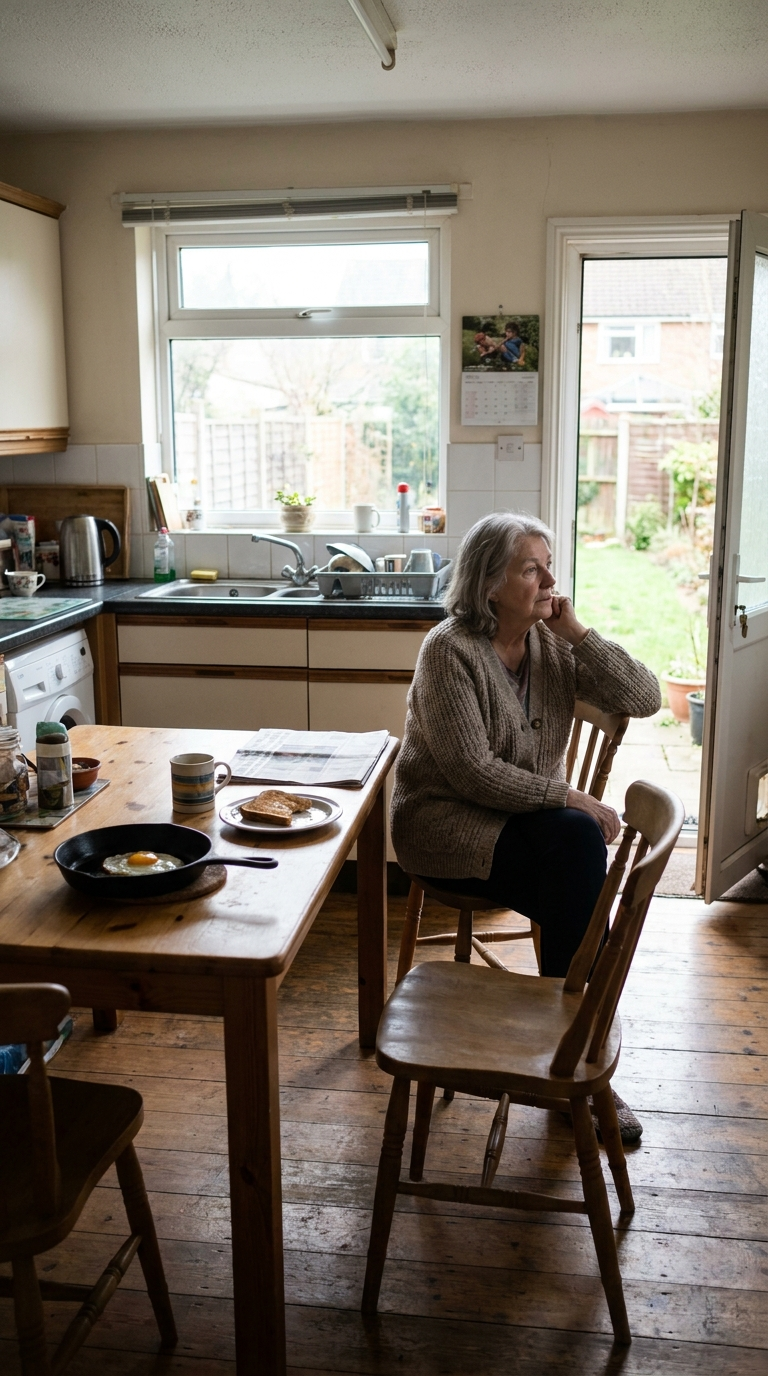
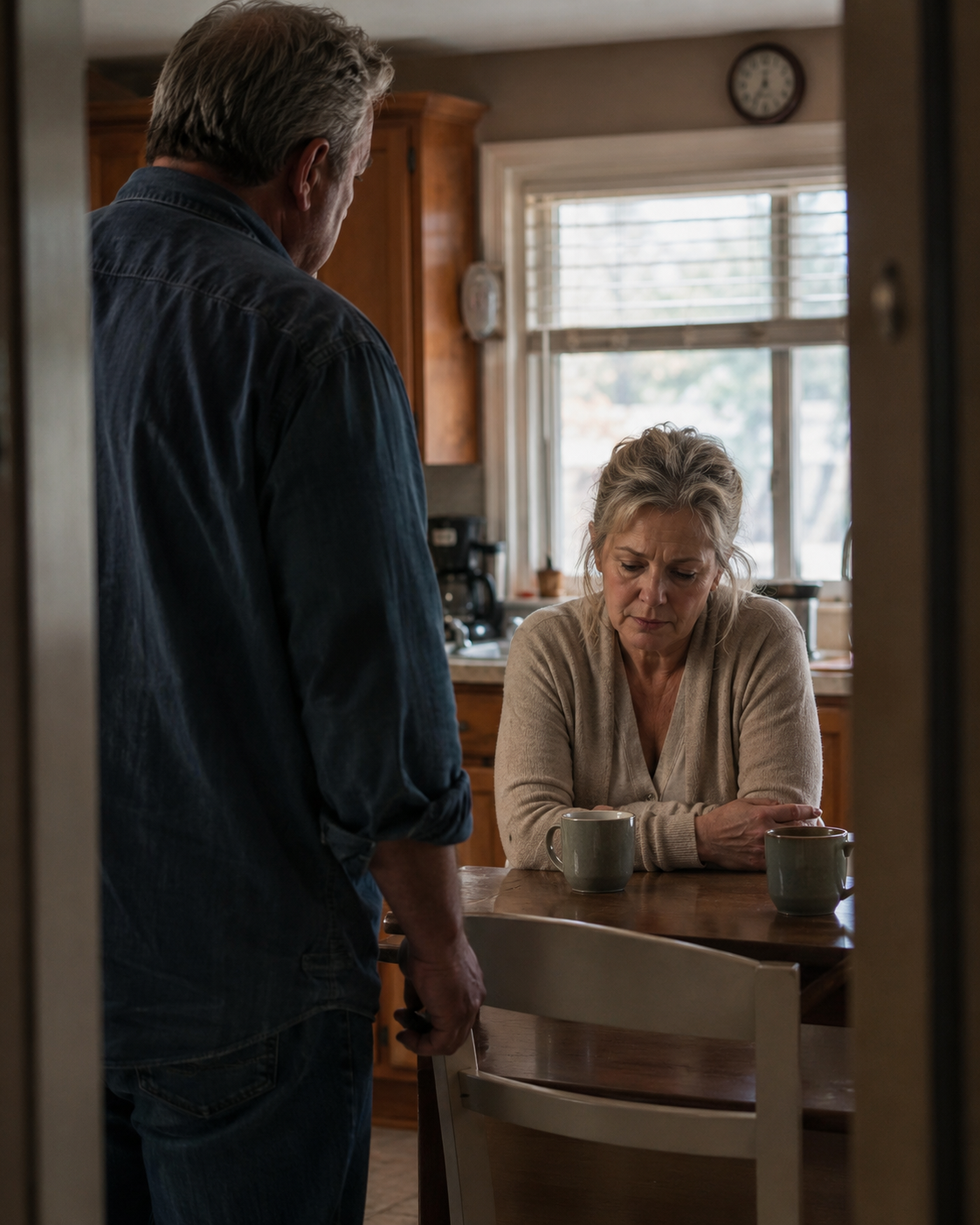
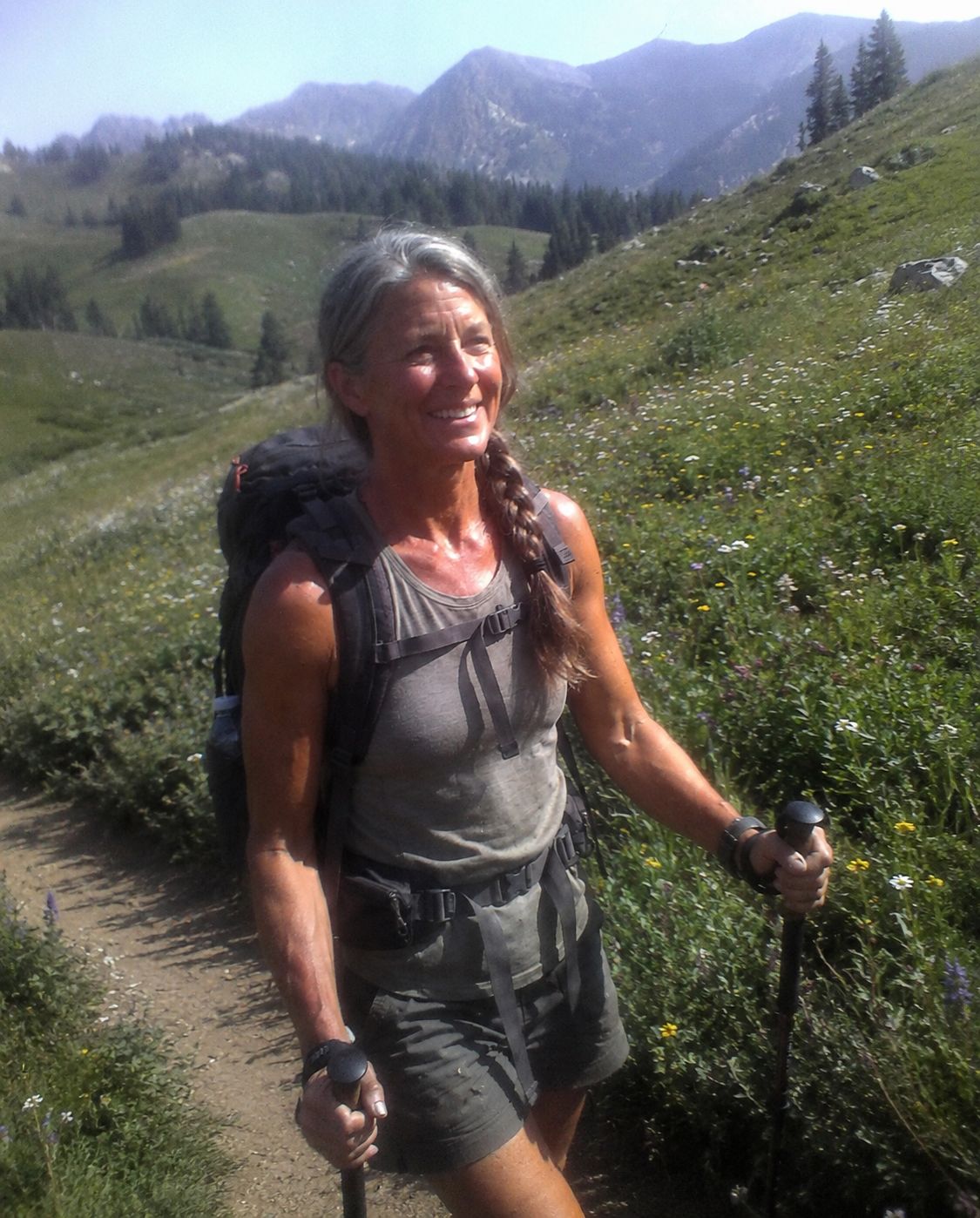
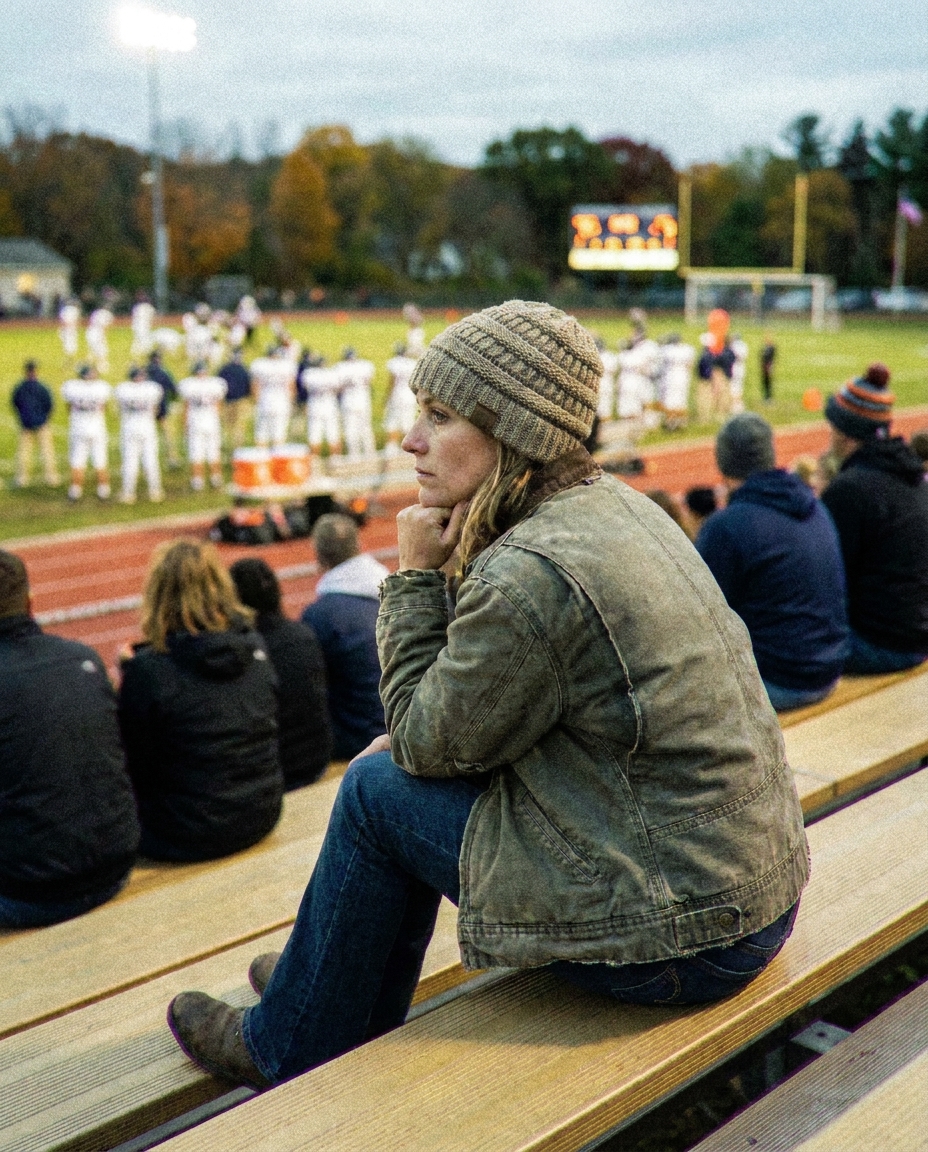
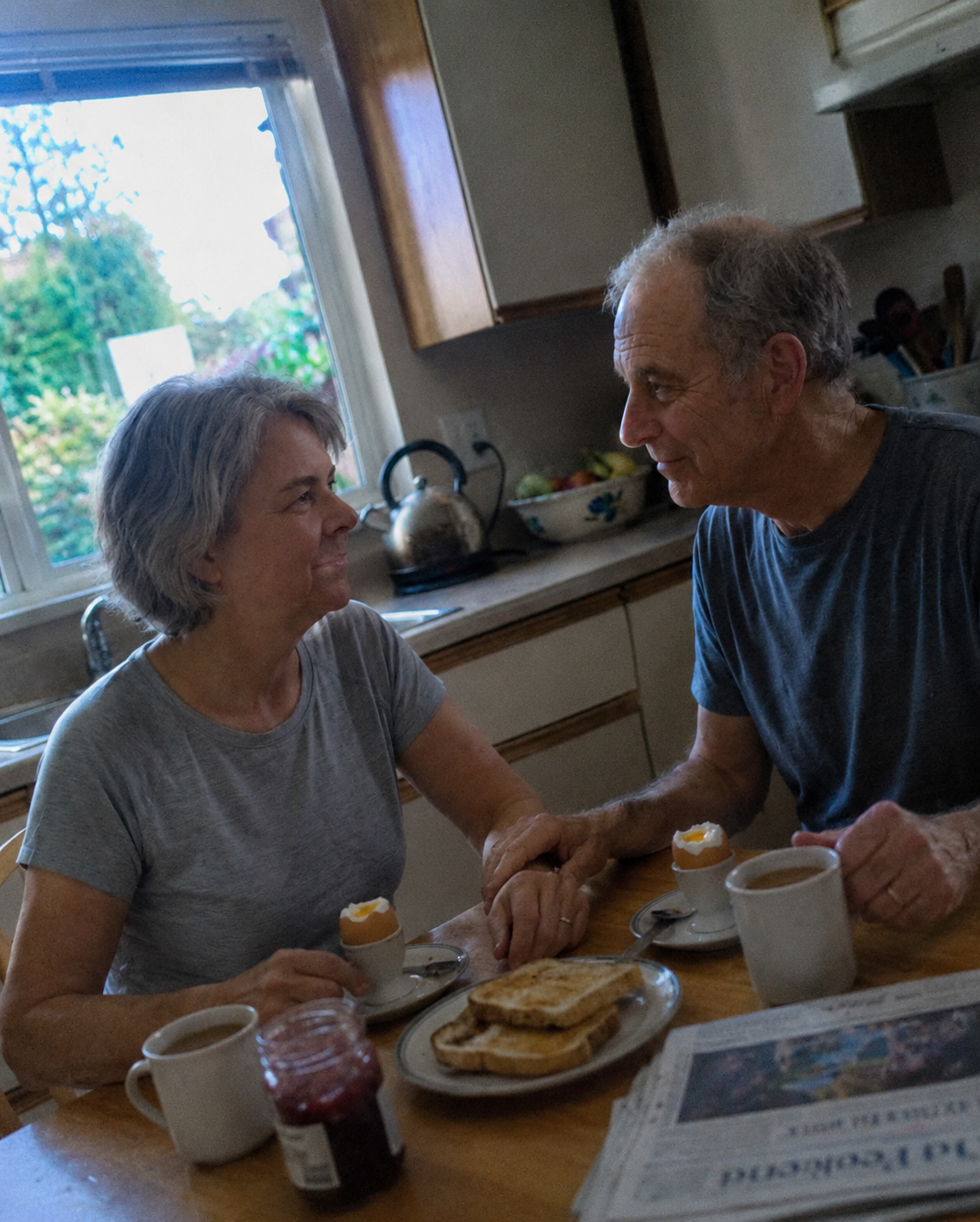
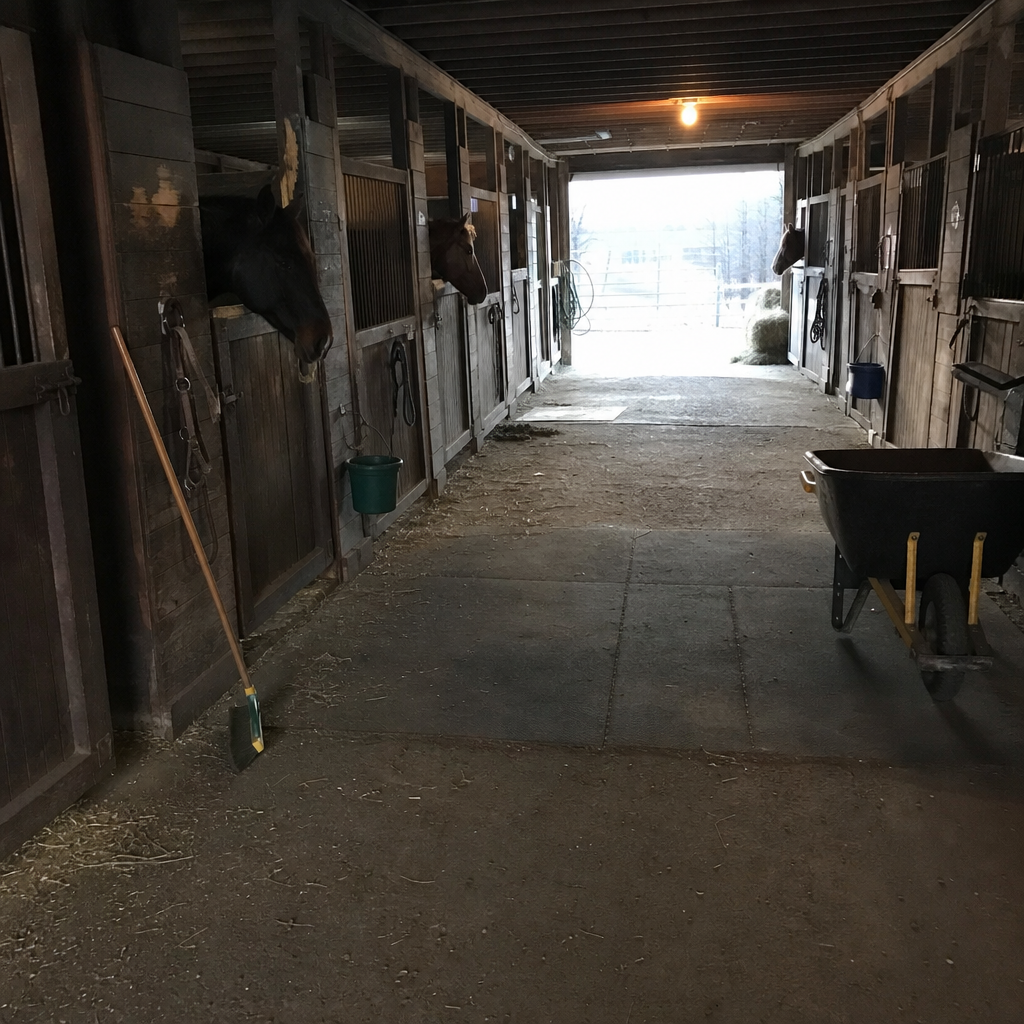
The richest woman in three counties broke into my barn before sunrise and stole from me. She could have written a check for the whole place without blinking. When she finally told me why, I forgave her before she got the second sentence out. By the end I was the one apologizing — for not telling her months earlier. Let me back up, because this isn't the story it sounds like. My name is Ashley. I've run Hollow Creek for twenty-six years — it's a boarding barn, which is just a place where people pay to keep their horses when they haven't got the land for them themselves. Thirty stalls, an indoor arena, and a tack room that still smells like my father's saddle soap because I've never had the heart to air it out. My husband Wade and I built the place from a hay field and a bank loan. He doesn't come down to the barn much anymore. I'll get to why. A place like mine isn't what people think. They think it's about the horses. It isn't. It's about the women who come every single day to take care of them. Some of these women have money you wouldn't believe — they drive in from the big houses on the ridge in cars worth more than my truck and my trailer combined. Some of them clean houses for a living and skip their own lunch to afford the monthly board. But once they're through my gate, in the dark, in the cold, with a horse to muck and feed and brush before the sun comes up, all of that falls away. The barn doesn't care what you drive. There's manure to move either way. And here's the thing nobody on the outside understands: women who do barn chores side by side for years tell each other the truth. Not in the bleachers at a horse show, where everyone's performing. Down here. At five-thirty in the morning, two women cleaning out the dirt and stones from their horses' hooves in stalls next to each other, neither one looking at the other, just the sound of the horses chewing and the barn cats moving in the rafters — that's when it comes out. Who's quietly seeing a divorce lawyer. Whose mammogram came back wrong. Whose son stopped speaking to her. They don't tell their friends. They don't tell their sisters. They tell the woman in the next stall, because she's busy with her hands and not making eye contact, and somehow that makes it safe. I've stood at the center of all of it for twenty-six years. I'm not their friend, exactly. I'm not their equal — I work for them, technically. And that's precisely why they tell me things. The help doesn't count. The help is safe. I've kept more secrets than a priest. And like a priest, I've never once repeated them. But about eight months ago, the conversations in my barn changed. Every one of them. And it started with a small bottle I kept on the shelf in the feed room. The feed room is where my morning happens. I'm in the door at five, before anyone, scoop the grain, throw down the hay, start the coffee on the hot plate I'm not supposed to have. There's a shelf above the grain bins where I keep the wormer, the fly spray, the supplements for the horses — and, for the last eight months, one bottle that was for me. Deep red capsules. About the size of a fish oil pill. I'd take one with my first cup of coffee, leaning against the grain bins, before the headlights started coming up the gravel. The bottle sat right there on the shelf at eye level, where anyone who walked in for a scoop of feed would see it. I never thought twice about leaving it out. That bottle is what got stolen. The first person who noticed was Linda. Linda's sixty-three. She's kept her old gelding with me for eleven years — comes in six mornings a week to clean his stall and walk him, even though he's retired and hasn't been ridden since his tendon went three winters ago. She's not one of the ridge women. She kept books for a trucking company for thirty years, and she counts the board out in cash on the first of every month, same as she has since the day she first hauled in. She is, without exaggeration, the most dependable person who comes through my gate. If Linda says six o'clock, she's standing in the aisle at five fifty-five with her coffee. She came into the feed room a little after six one morning last spring and caught me leaning on the grain bins washing down the red capsule with my coffee. "What's that?" "Iron. For energy." "Can I try one?" I shook one into her palm. She dry-swallowed it, made a face, said "tastes like a penny," and went off to soak her gelding's feed. That was the whole thing. Normal morning. We stood at the bins another minute arguing about whether the farrier was coming Thursday or Friday. A week later she caught my arm in the aisle before I'd even got the first stall done. "Ashley. I need to tell you something about that pill." She had the look a woman gets when she wants to say a thing but isn't sure she's allowed to want it to be true. "My energy," she said. And then she just shook her head, like she didn't trust her own mouth. "You know how I am by mid-morning. I've been running out of gas by ten o'clock for — God, three years now. I do his stall first thing because that's when I've got anything in the tank at all. By the time I've walked him his two laps I'm cooked. Some mornings I sit on the mounting block ten minutes before I trust myself to drive home. You've watched me do it." I had. She'd mentioned it before — always with a laugh, always tucked inside a joke about getting old. That's what we do, the women in this barn. We mention the thing that's quietly wearing us down like we're reading it off the feed order. "That morning I took the one off you, I felt different the next day. Sharper. I figured I'd just slept good for once. Then the day after that, same thing. By Thursday I came looking for you to ask for another one — you remember?" I remembered. I'd shaken three more into an empty fly-spray cap and handed them to her without thinking twice about it. "I took one every morning since. Ashley, I haven't touched that mounting block once. Six straight days. And yesterday — yesterday I did his stall, walked him, drove home, and then I put in the whole vegetable garden. The one I've stood at the kitchen window looking at since April telling myself I didn't have it in me this year. Dug it, planted it, all of it. I came in and made supper after. I have not had a day like that in three years." She laughed. But her eyes had gone glassy. "What is that stuff?" I told her it was an iron supplement that had some plant antioxidants in it too. She asked where she could get her own. I told her I'd order her a bottle. I stood in the feed room a while after she walked off, thinking about a woman who'd just gotten her afternoons back from a pill she'd called a penny seven days before. Then Marian happened. Marian's fifty-nine. She's the closest thing I've got to a second-in-command — she's worked the barn alongside me for nine years, runs the morning feed and turns the horses out when my hip's acting up, brings them in off the field in weather the rest of us won't stand in. Quiet. Organized. Doesn't trade in barn gossip, which in a place full of women is its own kind of miracle. Brings her own thermos of tea because she won't touch the hot-plate coffee. Fair enough — that coffee's for me, and I like it strong enough to strip paint. She'd taken a capsule home after she watched Linda try one. Didn't say a word about it at the time. Two weeks later she pulled me into the tack room and shut the door. It was a little before seven, horses banging their buckets for breakfast out in the aisle. She stood with her back against the saddle racks, and I could see she'd been holding something all morning. "I've been giving those pills to my husband." I waited. "Dale's been on Crestor three years. He doesn't sleep, Ashley. Up two, three times a night. Walks the house. Comes back to bed and just lies there staring at the ceiling. Been that way since about the second year on it. Doctor keeps telling him it's stress." She stopped. Outside, a horse kicked the wall and went quiet. She kept her eyes on the bridle hooks, not on me. "I dropped one of those in his nighttime pill case. Told him it was iron, for the anemia his bloodwork flagged last year. He never questioned it." "He slept through the night, Ashley. The whole night. I woke up at four in the morning because something felt wrong, and it took me a second to work out what it was. It was the quiet. He was still in the bed. Still asleep. I lay there and listened to him breathe." Her shoulders had started to go. She was crying and fighting it at the same time, the way she does everything. I crossed the tack room and put a hand on her arm and let her get there. "Nine nights now. Every one of them. He's got no idea — he thinks it's just the iron sorting out the anemia. He's started calling them 'the red ones Marian brings home from the barn.' " She laughed through it, and I laughed with her. The red ones. So that's what the thing giving me my mornings back was being called in some other woman's kitchen. Then Faye happened. Faye's sixty-eight, and she's kept a horse in my barn for going on sixteen years, longer than almost anyone. She's the one the rest of them orbit. She organizes the whole barn — the worming schedule, the hay order, the group rate on the spring shots. She ran the local saddle club for twenty years and judged 4-H at the county fair for thirty. She is, flat out, the toughest woman I know. I watched her ride the week she got a biopsy back. I watched her come straight to the barn the morning after she buried her sister and do two stalls before she'd let herself sit down. When her grandson got into trouble that landed him somewhere none of us say out loud, she mentioned it once, at the gate, and never again. In sixteen years I have never once seen Faye cry in this barn. Until this past fall. She came in at her usual time, parked, walked down the aisle — and then she just stopped outside her gelding's stall and stood there with her hand on the latch, not opening it. "Faye. You all right?" "Something happened last night." Her voice had gone thin. I'd never heard it do that. "Walt and I were sitting out after supper. Ordinary evening. And out of nowhere he turns to me and says, 'Forty-five years tomorrow, isn't it.' " She stopped. "Our anniversary's today, Ashley. Forty-five years today. And last night he knew it was coming." "He remembered." "He hasn't known the date in three years. Not the day, not the month. Two years ago I put a cake on the table and he sat down and asked who was having a birthday. Didn't know what the cake was for. Didn't know what the day was." Her knuckles had gone white on the stall latch. "Walt's been on Lipitor going on nine years. His mind's been slipping the last four. Slow enough that the doctor keeps writing it off as his age. But I know what age looks like, Ashley — my own mother kept her books and beat me at cards till the week she died at eighty-seven. This isn't age. Something's taking him out from the inside." And then she said the thing she'd never once said in sixteen years. She said it quietly, to the stall door, like she was ashamed of it. "And I'll tell you what nobody wants to hear a wife say. It hasn't just been hard on him, Ashley. It's been hard on me. I am so tired. I am tired in a way I don't have a word for." She kept her eyes on the latch. "You think it's his illness. It's not. It's mine too. I do everything now. I pay the bills he used to pay because he mixes up the numbers. I drive at night because he gets lost on roads he's driven for forty years. I stand at the stove and watch him so he doesn't leave a burner going. I lie awake listening for him getting up. I have become his nurse, and his secretary, and his keeper, and somewhere in there I stopped being his wife. And nobody asks how I'm doing, because he's the one who's sick." "You want to know the truth of it? I'm lonely. I have been married forty-five years and I am the loneliest I have ever been in my life. I sit across the supper table from a man who looks like Walt and I miss him so much I could put my head down and howl — and he's right there. I'm grieving a man who hasn't died. There's no casserole for that. There's no card. The whole town thinks Walt and I are fine because he can still shake a hand and say hello. They don't see that I lost my husband three years ago and I've been keeping his body fed and dressed ever since." I didn't say anything. There was nothing to say. I'd been so busy seeing what Lipitor was doing to these men that I'd missed what it was doing to the women standing in front of me. And here's the other thing you have to understand — about Walt, and about what it cost Faye to lose him out here, in front of everyone. Walt was the man. Anyone in this barn ever had a horse stuck down in its stall at midnight, a horse sick with colic, a trailer that wouldn't load with a vet appointment ticking — they called Walt. He'd come in his slippers if he had to. And Faye was the woman married to that man. There's a standing you get from that, a place you hold in a community. These last few years they'd all watched him stop coming. Watched him stand at the rail at a show looking like he wasn't sure how he'd got there. And every time, Faye was right beside him, steering him by the elbow, covering, explaining him away — shrinking herself down to manage him so nobody would see. A whole barn full of people gently not mentioning that the strongest man any of us knew was disappearing in front of us, and not one of them clocking that his wife was disappearing right alongside him. "Last night," Faye said, "on the porch, no cake, no reminding, nobody prompting him — he just looked over at me and said, 'Forty-five years tomorrow. I'd marry you again in the morning.' " Faye put both hands over her face and her shoulders started to go. Sixteen years. Through the biopsy, through her sister, through the grandson. And this — her husband knowing what day it was, her husband reaching across three lost years to find her for one sentence — is the thing that broke her open in my aisle. Because for one moment she wasn't a nurse or a keeper. She was a wife again. Somebody had remembered she was a person worth marrying. "I started slipping Walt those pills a couple months back," she said into my shoulder. "The ones you gave me for my energy. I thought — what's the harm. It's iron. It's a mineral. Can't hurt him." "His energy came up first. Then his head started clearing. He'd finish a sentence. Find his own keys. He paid the water bill himself last week and got it right. And every little thing he got back, Ashley — I got a piece of myself back with it. He found his keys, and that's one less thing I'm responsible for. He drove us to church, and I got to just sit in a car for the first time in two years. Every bit of him that came back gave me a bit of my own life back too." "But last night he knew our anniversary. Knew it the night before, even. Without one word from me. I have not had that in three years. I have not been somebody's wife in three years." "Whatever's in those, it is not just iron." She was right. And I should have told every one of them the truth months before. But there's one more woman I have to tell you about. Because Vivian is the reason I'm sitting up writing this down at all. Vivian is sixty-five, and she is, by a wide margin, the wealthiest woman who keeps a horse with me. Two of them — a matched pair worth more than my house and my truck and my trailer put together, in the two big corner stalls she pays for a full year ahead every January so she never has to look at an invoice. She's from the houses up on the ridge. She drives in in a car I'd be nervous to park, in riding boots that cost what Linda pays me in a month, and in all the years she's kept horses here she has never once asked me for a single thing she didn't pay for. In all that time I've learned almost nothing about her. I know her husband is Charles. I know there's a grown son back East they don't see enough of. I know there used to be a great deal of entertaining at that house on the ridge — the kind of parties people in this town still mention — and that there hasn't been any in a long while. That's the whole of it. Years of Januarys, and that's all I've got. But here's the one thing I did know about Vivian: Vivian listens. She doesn't talk much. She's never been part of the tack-room carry-on — always a half-step apart from the rest of us, the way money sets a person slightly outside the circle whether they want it or not. But she hears everything. When Linda caught my arm in the aisle about her energy, Vivian was three stalls down, cleaning out a hoof with her back to us. When Marian pulled me into the tack room about Dale, Vivian was just outside the door, slow-brushing a horse that was already clean. When Faye broke down at her stall door about Walt — about being a nurse instead of a wife, about grieving a man who hadn't died — Vivian was close enough to hear every word of it, polishing a bit that didn't need polishing, saying nothing. She never asked about the pills. Never mentioned the bottle on my feed-room shelf. Never asked to try one. She just listened. For months. This past Tuesday I came in at five, like I do. Fed, started the coffee on the hot plate, went to the shelf for my capsule. The bottle was gone. Not knocked behind the wormer. Not down to the dregs. Gone — the whole thing, a nearly full bottle I'd topped up myself the night before. The ring of dust where it had sat for eight months was the only thing left on the shelf. I stood there a minute trying to talk myself into having moved it. Checked the grain bins. Checked the spare behind the fly spray — still there, untouched. But the bottle off the shelf, the one I drank from every single morning, the one anybody coming in for a scoop of feed would see first — that one was gone. Then I heard a car on the gravel. Early. Too early — a good half hour before any of the boarders turn up. I came out of the feed room and down the aisle, and there was the car I'd be nervous to park, nosed up to the barn in the grey light. Vivian was already inside, at her corner stall, letting herself in to her horse. She didn't hear me. I watched her for a few seconds — the careful way she set her bag down, the way she stood a moment with her hand flat on the horse's neck like she needed it to hold her up. Then she turned and saw me standing in the aisle, and her face came apart and put itself back together in about a second flat. She didn't say anything. I didn't say anything. I went back to the feed room and sat down on an upturned bucket for ten minutes before the first headlights came up the drive. Here is what I knew, sitting on that bucket. In all the years Vivian has kept horses with me, she has never taken so much as a lead rope that wasn't hers. She pays for everything a year in advance precisely so she never owes anybody anything. She is the most contained, most private, most scrupulously correct woman who has ever walked through my gate — a woman who could write a check for every bottle that company has ever made and not feel it. And she'd driven down before dawn, in secret, to steal a forty-dollar bottle off my feed-room shelf. I wasn't angry. It was never about the bottle. I sat on that bucket thinking about all those months of quiet. Linda's energy. Marian's husband finally sleeping. Faye coming apart at her stall door over a man who remembered an anniversary. And Vivian three stalls down through every one of them — back turned, brushing a clean horse, polishing a bit that didn't need it — close enough to touch, and never once saying a word about her own life. She'd stood at the edge of all of it for half a year. The richest woman I know, listening to women with a fraction of what she has get their husbands back one by one. And she'd never breathed a word about Charles. She didn't make me wait long to find out why. Three days later, on the Friday, she came back. It was near eight at night. Everyone gone, horses done, the barn quiet the way it only goes after dark. One light over the wash stall. A horse shifting its weight down the line. I was on the tack-room couch with the ledger open, not really reading it. I heard her car on the gravel before I saw her. She came down the aisle in a long coat, no boots, holding her bag with both hands in front of her. She stopped at her horse's stall and stood there a moment with a hand on the bars, looking in at him in the dark. Then, not turning round: "I took your bottle. Off the shelf. On Tuesday." "I know." "I'll pay you for it, I'll — obviously I'll pay you for it." "Vivian. I don't care about the bottle. Come and sit down. Just tell me why." She sat on the far end of the couch. Bag still on her knees. Back straight, like she always holds it. And then this woman I'd watched keep herself apart for years just — went. Not all at once like Faye. Slower than that. Like a crack going across ice, and then the whole thing under at once. "It's Charles," she said. "My husband." "I know Charles." "No, I mean — he's not well, Ashley. He hasn't been well for a long time. He's on one of these cholesterol things, the Crestor, has been for years now, and they keep — they keep putting the dose up." She shook her head. "Sorry. I don't know where to start with this. I've never said any of it out loud." "Start wherever. There's no one here." She was quiet a second. "You all think you know what I am, don't you. The one from the ridge with the dear horses who won't muck in with the rest of you. And that's — fine, honestly, it's easier, I let you think it. But you don't know one true thing about my marriage, so. Let me just." She breathed out. "There's two boats. That's the thing nobody gets about us." "Two boats." "The big one, yes, you'll have heard about that one — his name on the back of it, the races, the whole club out on the deck with their drinks. That was for show. That was just Charles being Charles." She almost smiled. "But we had a little one as well. Wooden, nothing to look at, kept round the back of the point where nobody bothers going. And every morning — and I mean every morning, Ashley, for forty years, before anyone else was up — the two of us would take that little boat out. Just us. He'd be on the tiller and I'd sit up the front with the coffee and he'd, he taught me how to read the wind off the water. Took him years." She stopped. "That was the marriage. The real one. Not the parties. The parties were nothing. It was that boat." "And he can't anymore." "No." Very quiet. "His hands started going about three years back. The grip first — the tiller would just knock out of his hand, you know, in a gust. Then the fiddly things, he couldn't tie a knot he'd tied his whole life. And the — what's the word everyone keeps using, the fog. He's got that too. I'd look over and he'd be sat there in the middle of the harbor with this, this lost look on him. Like he couldn't think what the boat was for." She turned the strap of her bag over in her fingers. "He put her up under a tarp two summers ago. Behind the garage. Told me we'd get her back in the water next season, when his hands felt better." A small awful laugh. "We both knew. There wasn't going to be a next season." I didn't say anything. I let her sit with it. "Can I tell you something I've not told a living soul?" She wasn't really asking me. "I keep going on about what it's done to him. Him, him, him. But nobody — God, nobody ever asks what it's done to me." "Tell me." "I lost him three years ago, Ashley. And he's still in the house. Do you — does that make any sense to you? He's right there. I make his tea. I put his pills out. And I have honestly never been so alone in all my life." She looked at me for the first time. "I do all of it now. I drive, because he gets himself lost on roads he's known fifty years. I do the money, because the numbers go all — they swim about on him. I stand near him when he's at the stove so he doesn't wander off and leave the gas on. I don't really sleep anymore, I just lie there with one ear open for him getting up in the night. I'm not his wife, am I. Not really. I'm his nurse. I'm the one who manages him. And I don't even know when that happened, it just — it crept up, and one day that was who I'd turned into." "And the worst of it — nobody sees a bit of it. Everyone still thinks we're the lovely couple up on the ridge, because he can still get a jacket on and shake your hand at a funeral, can't he. They don't see me steering him round the room by the elbow. They don't see the nights. And there's no — who would I even say it to? From the outside I've got everything. The house. The horses. A husband who's still alive, for heaven's sake. You can't sit and complain to people about that. They'd look at you like you'd lost your mind." She pressed the back of her hand to her mouth for a second. "I used to be somebody, you know. Out on that water I was sharp as anything. He'd see the wind coming and half the time I'd already have called it before him. We were a team, the two of us. And now I spend every day a step behind a man who isn't always sure what the day is, and I can't — I can't remember the last time anybody looked after me. For five minutes. I miss it. I miss being looked after. I miss someone seeing me. I go and stand out on that point some mornings with my coffee, on my own, and I look at the empty water, and I'm — I'm grieving him, Ashley. And he's not even dead. There's no funeral for that, is there. No casserole. Nothing. Just me on the point, missing my own husband while he's breathing away in the house behind me." I reached over and put my hand on hers. She let me leave it there. "And his doctor — well. The hands are 'a side effect.' The mind is 'his age.' And do you know, I honestly thought the money would save us from it. I did. We've a cardiologist who answers his own phone, we've done every test that famous clinic does, the whole two days of it. Caught nothing. Every one of them looked at the same chart and told me exactly what your barn women's doctors tell them for nothing — numbers are perfect, keep taking it, it's just getting old. Money doesn't buy you a different answer, it turns out. Just a more expensive man to give you the wrong one." "He's sixty-eight," she said. "He's not — it's too soon. It's too soon to lose him like this." "I know." "And that's the maddening part — I've been standing in your barn for six months listening to it all. Linda and her energy. Marian, with Dale finally sleeping. Faye the other week, going to pieces over Walt. And the whole time I'm three stalls down thinking, that's Charles. That's my morning. That's my empty water. They were all describing my own life and not one of them had the faintest idea it was mine too." "So why didn't you say anything?" She was quiet a long moment. "Because I've done all this before. More than any of them have. I've bought every answer going, Ashley. The fish oil. The CoQ10 his own doctor swore blind by. Anything with a study behind it, I bought it, I tried it on him, and nothing — nothing ever moved an inch. And after enough of that, you just stop. Not because you've given up on him. Because the hoping costs you something every time, and I'd paid it too often to go again." "So Linda says her energy's back and I think, well, good for Linda. Marian says Dale's sleeping, I think, coincidence. And Faye —" She stopped. "When Faye came apart at that stall door, I turned away and polished a bit that was already clean, and I told myself, she's just tired, she wants it to be true. And then I — I caught myself. Because Faye's harder than I am, Ashley. Faye buried her own sister and never let one soul see her cry. And there she was, in bits, because her husband knew what day it was. That's when I let myself believe it. And I realized I'd been calling it rubbish for six months for one reason only. I was too frightened to hope one more time and have it knock me down again." She looked down at her bag. "And there's — one more thing. Something I'd never have said to any of them in a hundred years." A breath. "I couldn't bring myself to order the wretched stuff. Isn't that mad? Me. I could buy the company that makes it. But ordering it means a box turning up at the house with a name on it, and the girl who does the housekeeping might see it, and then it's — then it's real, isn't it. Written down somewhere that the great Charles is failing. And as long as nobody knows, I can still pretend. Keeping the front up is about the last thing I've got. So I didn't order it. I came down here before it was light and I took yours off your shelf like a common thief. Because that was the only way I could have it without saying out loud that I needed it." She wiped under her eye with one finger, carefully, the way women do when they don't want it to show. "I put one in his pill case that night. He never noticed, he takes a whole handful. And about an hour later he looked over at me and he said — he said, 'My head's gone quiet. Like something that's been running a long time's been switched off.' " Her voice cracked clean in half on it. "And I went into the bathroom and sat on the edge of the bath and cried where he couldn't hear me. Same as I've done everything for three years." "He's slept every night since. And this morning he was stood at the window doing this —" she opened and closed her hand slowly in the air between us "— working his hands. Testing them. Not because they hurt. Because they'd started answering him again." She looked at me. "I need more, Ashley. I don't care what's in them, I don't care what they're called. I just need more of whatever's giving me my husband back. And —" she stopped, and her chin went "— whatever's starting to give me back the woman I used to be, up the front of that boat." I sat there a long while after she finished. A woman I'd had in my barn for years and never once really known, in a long coat on my old tack-room couch, handing me my own life back line for line. Because here's what Vivian didn't know, what none of them knew. To understand any of it — the bottle on my shelf, the capsules I'd been slipping these women for months, why I'd recognized every word she said before she said it — I have to take you back. Before all of this. Back to where it actually started. Which was me. And Wade. My Wade went on Lipitor at fifty-seven. His cholesterol came back high one year and the doctor said this was just what you did about it, no real conversation. Six months on, the number looked lovely. The doctor was pleased as anything. And right about then I started losing the man I married. You have to understand what Wade was. Wade built this place. He's the reason there's a barn at the end of this road at all. He could shoe a horse, file down its teeth, spot a limp three strides out that a vet would take an hour to find. His hands knew things. He'd run them down a leg in the dark and tell you which tendon, how bad, how long. Forty years of horse people in this county had Wade's number in their phone. He came to bed most nights still smelling of hoof and horse no matter how he scrubbed, and I'll be honest, I loved that smell. It was him. Three years into the Lipitor, his hands went. The grip first. He'd have a hoof up between his knees, file in his hand, and the file would just fall. Clatter on the floor. He'd shake the hand out, pick it up, and a few minutes later it'd go again. Then the small work — he couldn't drive a nail true the way he had ten thousand times. A job that used to take him twenty minutes ran to an hour, half of it him swearing under his breath. Then it got into his head. Wade carried every horse in the county in there — which one had bad feet, which one you couldn't trust on hard ground, what each one needed. By the fourth year he'd come in from a job and not be able to tell me whose horse he'd just been under. Once he asked me whose mare was tied up out front, and I had to tell him it was ours. That he'd worked on her feet himself, an hour before. By year five he stopped going out on jobs altogether. Told the first man who rang that he wasn't really doing feet anymore. That man called somebody else. Then the next one did. Then they stopped ringing. The trailer sat. The forge went cold in the corner of the barn and stayed cold. And here's the part I don't tell people. Because it's not a flattering thing to say out loud. I didn't just lose Wade. I lost the version of me that came with him. For thirty years this was a two-person life. He had the horses, I had the barn, and the place ran because there were two of us holding it up. Then there was one. I started doing the jobs he couldn't do and the jobs I'd always done on top of them. I'd be out before light and still going at dark, and there was nobody to hand half of it to anymore. I run a thirty-stall barn alone now, and I'm sixty-one, and some nights I sit in this tack room after everyone's gone and I genuinely don't know how much longer my own body's going to let me do it. But that's the small part, honestly. The work I can manage. It's the rest of it. I lost my partner and kept the man. He's there at the supper table every night and I have never felt more on my own. I stopped telling him things — what went wrong in the day, what one of the boarders said — because halfway through I'd watch it not land, watch him lose the thread, and it was lonelier telling him and being met with that look than it would've been to just stay quiet. So I stayed quiet. For years. I forgot what it was to have somebody to talk the day over with. And I'll tell you the thing underneath all of it, the thing I'd never have said before Vivian sat on that couch and said it first. I missed being looked after. Wade looked after me, for thirty years, in a hundred small ways I never even noticed until they stopped. Somebody to notice I was running myself into the ground. Somebody to say sit down, I've got it. Once he was gone I was the one looking after everybody — him, the horses, the boarders, all of it — and not one soul looking after me. You don't notice how much you needed that until there's nobody left to do it. So when this woman in a long coat sat across from me grieving a man who was still alive, she wasn't telling me her story. She was telling me mine. His doctor had said every single thing every doctor in this story says. The hands, "a known side effect." The tiredness, "his age." The memory, "we'll keep an eye on it." Same script, same shrug, and me on the wrong side of the desk knowing in my gut the chart was lying. So I did what every woman in this story ends up doing. I went looking. Late at night, on my own, angry. I'd already been down the supplement road, same as Vivian. Fish oil for half a year — nothing. Red yeast rice — nothing. Turmeric a boarder swore by. The CoQ10 Wade's own doctor told him to take, forty dollars a bottle, might as well have been sawdust. I had a shelf in the bathroom full of bottles that promised the earth and did nothing, and I'd quit buying them the way you quit buying scratch tickets — not because you've worked out the odds, but because hoping costs you something and you've spent enough. So that night I wasn't hunting for another supplement. I was after one thing. Why. Why was a pill for his cholesterol taking his hands and his mind? I was up past midnight in this tack room, the laptop on my knees, the rest of the barn black except the one bulb over the wash stall, when I found a long post on a medical forum. Written by a retired cardiologist. Twenty-nine years on the job. He'd walked away from it, he said, because he couldn't keep handing out a drug he'd come to understand was causing the very thing it was meant to prevent. It was the tone of it that stopped me. He wasn't ranting. He wasn't selling a thing. He just sounded tired. Like a man setting down something heavy he'd carried a long way. He laid out what a statin actually does inside the body. "Statins work by blocking an enzyme — HMG-CoA reductase. That's how they bring cholesterol down. But that same enzyme is what your body uses to make CoQ10 — the molecule every cell burns to make energy. Your heart. Your muscles. Your brain. Your hands." I sat there thinking about a file falling out of Wade's hand onto a barn floor. "Block that enzyme and you don't just lower cholesterol. You choke off the body's ability to make energy at the cellular level. The weakness, the fog, the bone-deep tiredness — those aren't side effects. They are the main effect. That is the drug doing exactly what it does." I thought about Wade asleep in his chair by seven every night. The cold forge. The phone that stopped ringing. "Doctors know about this, so they tell you to take CoQ10. But the CoQ10 in a capsule is too big a molecule to get through the cell wall. It floats around in the blood and barely reaches the place the damage is actually happening." That was it exactly. Wade's doctor had told him to take CoQ10. Told him to do hand stretches. Ticked the box and moved on. Then the man wrote a line that turned me cold. "And the CoQ10 problem, as bad as it is, is not the most dangerous thing a statin leaves unhandled. The most dangerous thing is what happens to the cholesterol that's still there." LDL, he wrote, isn't poison. The body makes it on purpose — it builds cells, carries what they need, patches damage. The trouble isn't that LDL exists. The trouble is what happens to it when it gets attacked by hydroxyl radicals — the most destructive free radicals the body throws off. "When those radicals oxidize LDL, it changes. Goes sticky. Works its way into the artery wall, sets off inflammation, builds plaque. And that plaque can let go at any moment — and cause the very heart attack the statin was prescribed to prevent." Not cholesterol. Oxidized cholesterol. "A statin lowers the amount of LDL in the blood. It does nothing to stop the LDL that remains from oxidizing. So the number on the chart looks handled. The chart looks wonderful. And meanwhile the cholesterol he's still got is quietly being turned into the thing that actually kills him." I read it twice. My hands had gone unsteady on the laptop. "This is why so many people who have a heart attack on a statin had a perfect chart. Their total cholesterol was 'controlled.' Nobody ever measured the number that mattered." And then he told a story I haven't been able to put down since. "I had a patient. Sixty-two. Ten years on a statin. His LDL was 93 — textbook, perfect by every guideline we use. His wife told me he'd given up his workshop, that he'd been a cabinetmaker his whole life and his hands wouldn't hold the tools anymore. I told her stiffness was common but manageable. He died of a heart attack on a Saturday morning, in his own driveway, walking out to the workshop he no longer had the strength to use. His oxidized LDL — which in ten years I had never once tested — was through the roof. I watched the wrong number for a decade." My skin went cold reading it. A man whose hands quit. A wife who told the doctor something was wrong. A doctor who said common but manageable. It was Wade. It was Walt, and Dale, and Charles. It was every man in this story, and a wife sat across a desk in every one of them being told the chart looked fine. Wade's doctor had never tested his oxidized LDL. Not once in five years. Every visit — take the blood, read the one number, "looking good, Wade," write the refill. I kept reading. The barn was pitch dark around me but I was wide awake now, and angry. "So if oxidation is what drives the plaque, the question is — what stops the oxidation?" That's where he got to betalains. The pigment that turns a beet that deep blood-red. He said researchers in Germany and Italy had been publishing on it for thirty years. Betalains are a selective antioxidant — they go after hydroxyl radicals specifically. The exact radicals that oxidize LDL. The exact ones wrecking the cells' ability to make energy. They neutralize those and turn them to water, and they leave the free radicals the body actually needs alone. Not a blanket. A scalpel. And then the part I've never forgotten. "The betalain pigment doesn't carry the antioxidant. It IS the antioxidant. It crosses the gut wall. It gets through the cell wall. It reaches inside the artery tissue, right where the oxidation is actually happening." And then he listed the things that can't get there. And reading it was like watching the last three years of my life get explained back to me, one line at a time. Fish oil, he said, never reaches the cell. It circulates in the blood and it's gone. And I thought — that's why. That's why six months of fish oil did nothing for Wade's hands. The damage was happening down inside the cells in his fingers, and the fish oil was floating past in his bloodstream the whole time, never once getting to the place that was failing. I'd been buying it. I'd been watching the file fall out of his hand anyway. Now I knew why it kept falling. CoQ10 — the very thing his own doctor put him on — is too big a molecule to cross the cell wall. It sits in the blood and barely a trace gets inside. That's why. That's why forty dollars a bottle did nothing for the fog. The fog was in his brain cells. The CoQ10 never got into them. He'd been swallowing it every morning and forgetting whose horse he'd worked on every afternoon, and the two things had nothing to do with each other — because the help never arrived where the harm was. Bergamot, red yeast rice, all of it — every one of them either too big to get inside the cell, or chasing the same number the statin was already chasing. Not one of them ever went to where the oxidation actually was. Not one. I had a shelf full of bottles, and every single one of them had been missing him by inches. Getting into his blood, sure. Getting onto the chart, maybe. But never once reaching the hands, the mind, the man. That's the thing that broke it open for me, sitting there in the dark. It was never that nothing worked on Wade. It was that nothing I'd tried had ever physically arrived where he was breaking. The betalain was the first thing that did. And there was one more thing, he wrote — and it made my stomach turn, because I'd almost certainly bought the very thing he was warning about. Most beet supplements on the shelf are worthless, and not by accident. Modern beets have been bred for sugar for over a hundred years, until a supermarket beet carries a fraction of the betalains the old heirloom strains had. Then a company takes that already-weak beet and dries it at high heat — and heat destroys betalains. By the time it's sealed in a capsule, there's next to nothing left. You're paying for dust, he wrote. So even the women who'd thought to try beetroot for their husbands had likely been feeding them an empty pill, and quietly deciding beetroot didn't work, when the truth was they'd never had a scrap of betalain in their hands to begin with. The one he pointed to was different. Grown by an Amish community in Lancaster County, Pennsylvania. An heirloom seed line, the old kind, bred for color instead of sugar. Hand-harvested after the first frost. Dried low and slow in the shade, so the betalains made it all the way into the capsule alive instead of being cooked out of it. Rosabella. I ordered a bottle at twenty to two in the morning, off my phone, sitting right here on this tack-room couch in the dark. That was the first one. The bottle that started everything — the one that, eight months later, a woman worth more money than I'll ever see would come down before dawn and steal off my shelf because she couldn't bring herself to order her own. The bottle came on the Thursday. I didn't say a word about it to him. That evening I dropped one capsule into his pill case with the rest of them — quietly, half-ashamed of how badly I wanted it to do something. The way I'd watch every woman in this barn do it later. The way Vivian would do it with Charles, months down the road. The next morning I handed him his pills with his coffee, like I have every morning for thirty years. He swallowed them and went back to the paper. Twenty minutes later he set the mug down and looked at his own hand, turning it over. "Ashley. My grip feels — different." I didn't trust my voice, so I didn't say anything. He got up and went to the sink. Picked up the mug. Set it down. Picked it up again, and opened and closed his hand around the handle three or four times, frowning at it like it wasn't his. "It's not back," he said. "But it's different." I went into the bathroom and shut the door and sat on the edge of the tub and cried where he couldn't hear me. The first bit of hope I'd let myself feel in three years, and I couldn't even let him see it on my face. Day five he walked out to the forge after supper. First time in two years. He didn't light it. He didn't do anything — just stood there a while, then picked up a file off the bench, turned it over, set it down, picked up his old hoof knife and felt the weight of it. I watched him through the kitchen window with a dish towel going cold in my hands. Day eight he asked me where his good nippers were. He'd boxed his tools up two years back. I told him they were on the shelf in the feed room, and he went and dug them out and sat at the kitchen table that night cleaning them up, one at a time, taking his time over it. And here's the part that was mine. Around then, I noticed I wasn't doing the night check alone anymore. For two years I'd walked the aisle last thing every night by myself — counting horses, topping off water, listening for trouble, the whole weight of thirty stalls on me and no one to share it. That second week, Wade started coming out with me. He didn't make a thing of it. He just pulled his boots on and walked the aisle beside me, the way he had for thirty years before the statin took him out of it. I hadn't said I was tired. I hadn't asked. He'd just noticed. And every night he was out there with me was a night I wasn't carrying this place alone. Week three, a man two farms over called about a horse that had gone lame. Wade took the call. It took him most of the afternoon — a job that used to take him an hour — and he came home dirty and tired and happier than I'd seen him in years. Then another man called. Then another. The phone that had gone quiet started ringing again. And slowly, without either of us saying it out loud, half the running of this place came back off my shoulders and onto his, where it used to be. Then the smell came back. That's the one that got me. About a month in, he came in from the barn after dark and leaned down to kiss the top of my head, and there it was — horse and oil, the smell I married, the smell that had been gone from this house so long I'd made myself stop missing it. I stood at the stove and nearly came apart over the smell of my own husband. But I'll tell you the moment I knew I had him back. Not him — us. It was an ordinary evening. I'd been up since four, on my feet all day, and I came in and started supper without even sitting down, because that's what I do. That's what I'd done alone for years. And Wade looked up from his chair, and he looked at me — really looked, the way he used to, like he was actually seeing me and not just somebody moving around the kitchen — and he said: "You look worn out, Ashley. Go sit down. I'll get the feed in the morning." I had to turn and face the cupboard so he wouldn't see what it did to me. Three years. Three years of nobody once telling me to sit down. Three years of being the one who took care of everybody and everything, with no one taking care of me. And there he was — back, awake, mine again — handing me a piece of myself I'd given up on. It was never just his hands I'd lost. I'd lost being somebody's wife instead of everybody's keeper. And here it was, walking back in the door in a pair of muddy boots. Week six, we went in for his bloodwork. I sat in the room with him. The doctor pulled the results up on her screen, scrolled, stopped, scrolled back up, and looked at Wade over the top of it. "When did you last take the Lipitor?" "Couple of months ago. Give or take." She didn't say what I thought she'd say. She just looked at the screen again. "Your LDL is down twenty-six points from your last test. And you're off the statin completely." She closed the laptop halfway. "Wade, I'm not going to pretend I understand what happened here. But these numbers are better than they were on the medication, and you clearly feel better. Whatever you changed — don't stop." She didn't ask what it was. She didn't bless it. But she didn't argue, and she didn't write the refill. That was seven months ago. Wade's been off the statin for six of them. The numbers hold. His hands work. The forge is lit most evenings, there's a man's horse two counties over he's been driving out to look at, and the smell of him is back in this house for good. He's not the man the statin left me with. He's the man I married — and I'm not the woman his decline turned me into, either. I got us both back out of one little bottle. And once I understood what that bottle had given me, I couldn't keep it to myself. I'd been watching it for months by then, without letting myself say it out loud. Linda dragging herself to the mounting block. Marian losing her own sleep to Dale's bad nights. Faye steering Walt around a horse show by the elbow. Every one of them holding up a man, and being worn down to nothing underneath him, and going to a doctor who looked at a chart and said he was fine. Every one of them was living a version of what I'd just climbed out of. So I took the bottle off my own bathroom shelf and stood it up in the feed room, out in plain sight, next to the wormer and the order book. And I made myself a quiet rule. Any woman who mentioned it — that she was worn out, that he wasn't sleeping, that his hands had gone, that he wasn't himself — got a few capsules counted into a fly-spray cap and a quiet word that they were iron pills that had been helping me. I called them iron. Which wasn't really a lie — beetroot's full of iron. But I called them iron because iron doesn't scare anybody. "Beetroot betalain antioxidant" sounds like something off a shelf in a health-food store. "Iron" sounds like something the woman who runs the barn takes to keep herself going. And that's exactly what I needed it to sound like. That was eight months ago. And that's all of it — why Linda has her afternoons back, why Dale sleeps through the night, why Faye's Walt knew their anniversary, why the talk in my barn changed. And why Vivian — careful, private, proud Vivian, who could buy the whole company that makes the stuff — came down my drive before light one Tuesday and took the bottle off my shelf, because she couldn't make herself say out loud that she needed it. If you're reading this, I think I know where you are. You've been watching someone you love slip away. The hands that used to build, or fix, or play, or hold yours. The mind that used to be sharp. The man who used to really be there — at the table, in the yard, in the life the two of you made. But I don't think you've only been losing him. I think you've been losing yourself right alongside him, and nobody's said that part out loud. You're the one who drives now. Who handles the money he used to handle. Who lies awake listening for him to get up in the night. You've turned into his nurse and his keeper and his memory, and somewhere in there you stopped getting to just be his wife. You take care of him, and the house, and everything else — and there's no one left taking care of you. You can't even remember the last time someone told you to sit down. And all the while his doctor keeps saying the same thing. Numbers look great. Chart looks great. Keep taking the medication. But the chart isn't married to him. You are. You've been watching the wrong number this whole time. And so have they. So here's where you are. There are two roads in front of you. One: keep filling the prescription. Keep watching him fade a little more every season. Keep being told "it's just getting older" when you know in your gut it isn't. Keep carrying all of it — him, the home, the worry — on your own. Keep hoping the drug that's draining his body and leaving his cholesterol to turn into the thing that actually kills will somehow protect him, even though you now know it can't. Two: give his body the one thing it's been missing. The deep red pigment that goes where the statin and the fish oil and the forty-dollar CoQ10 never could — inside the cell, where the damage is really happening. You don't have to take my word for any of it. Track his numbers. Watch them move. Watch him come back. And watch what comes back for you while he does. I took the second road. So did Vivian. So did every woman in my barn. And I'll tell you what it gave us. It wasn't just the men. Faye's got a husband who knew their anniversary again — and she got to be a wife that night, not a caretaker. Vivian's Charles is back working the tiller — and she's back up at the front of that little boat at dawn, the way she was for forty years before all this. Walt's out helping with horses again — and the women who lean on this barn have their steadiest man back. Dale sleeps the night through — and so, finally, does Marian. And me? Wade's hands work, the forge is lit, the phone rings for him again. But the thing I got back, the thing I didn't know how much I'd missed until it walked in the door in muddy boots — I've got someone who looks at me across the kitchen and tells me to go sit down. The men came back to their lives. We came back to ours. You can have that too. Both of you. But not by waiting, and not from the bottle on his nightstand. https://track.tryrosabella.com/bfcb877b-9f52-4175-9be6-9bc1a89ce3a8 — Ashley P.S. — Vivian came for her horses this morning, same as always. Quiet, keeps to her corner. But on her way out she stopped at my station, and she told me Charles got the little boat back in the water last weekend. First time in two years. He still couldn't manage the mooring on his own, so she helped him, and the two of them sat out there at first light with their coffee and didn't say a word the whole time. She told me she'd forgotten what it felt like to be out on that water as his wife instead of his nurse. Then she got a bit embarrassed and went to see to her horse. If your husband's on a statin and you've watched him go quiet on you — the hands, the tiredness, the fog, the man you used to talk to — what's on my feed-room shelf is called Rosabella. That's what Vivian takes. That's what Wade takes every morning. That's what I quietly hand to every woman in this barn who tells me something she doesn't tell anyone else. P.P.S. — Here's how you'll know within the hour. Have him take one with a tall glass of water in the morning, and look at the clock. Twenty minutes or so. If nothing shifts — no change at all — then maybe it's not for him, and that's that. But if he tells you his head's gone quiet, like something that's been running a long time switched off — that's not him imagining it. That's the pigment getting into his blood as a real dose for the first time and reaching the places nothing else has. The cholesterol takes weeks to show on a blood test. But that first quiet morning tends to come the same day. Wade's did. Vivian's Charles did. Most of the women in my barn watched it happen by lunch. P.P.P.S. — They give you ninety days to send it back. If his numbers don't move, you get every penny back, no argument. I want you to sit with how strange that is for a second. The statin on his nightstand came with no such promise. Nobody offered me a refund for the three years it took Wade's hands, his work, and the smell of him out of this house. The drug that did the damage doesn't do refunds. This does. P.P.P.P.S. — One thing I'd say if you were standing in my feed room. Don't just grab the cheapest beet pill off a shelf and assume it's the same thing. It almost certainly isn't. Most beet capsules are made from beets bred for sugar, then dried with high heat — and heat kills the very thing you're buying it for. The betalains are gone before the bottle's even sealed. That's why so many women try beetroot for their husbands, get nothing, and decide beetroot doesn't work — when the truth is they never had any of the good part in their hands to begin with. Rosabella's the only one I've found that's made the old way — heirloom beets, dried slow and cool so the pigment's still alive when he swallows it. That part isn't a detail. That part is the whole thing. P.P.P.P.P.S. — And don't go looking for it on Amazon. It isn't there — they don't sell it that way. Anything you find under that name somewhere like that isn't the real thing, or it's been sitting in some hot warehouse long enough to kill it, which comes to the same. You can only get the real one, made the right way and shipped fresh, from their own site. The link's up above and down below. That's also the only place the ninety-day guarantee holds — so do it once, do it right, and let his next blood test tell you the truth. P.P.P.P.P.P.S. — A small company makes this, and they run out. I know because I had to wait nine days for more after Vivian cleaned out my shelf. If his next blood draw is somewhere in the next month or two, and you'd like him walking in with numbers that have actually moved instead of the same slow slide — check today whether they've got stock. Not next week. Every morning he stays only on the statin is another morning the real damage goes on underneath a chart that says he's fine. Don't sit waiting for him to come back to you on his own. He won't. I'd still be waiting. https://track.tryrosabella.com/bfcb877b-9f52-4175-9be6-9bc1a89ce3a8
Support stamina and heart health every day
LEARN MORELike this ad? Make it yours.
Crush rebuilds this exact creative around your product — your brand, your colors, your offer — in about a minute.