

Key Takeaways
- 1Target the Lizard and Mammal brains before logic for maximum emotional impact
- 2Deploy 5 AI-driven triggers like Open Loops and Scarcity to boost conversions
- 3Utilize PAS and AIDA frameworks to structure high-performing ad copy
- 4Leverage data-backed color psychology to optimize CTA click-through rates
- 5Scale intimacy by using AI to mirror audience language and specific pain points
Marketing is about psychology, not just pixels. Discover how AI analyzes emotional patterns to target the "Lizard Brain" and drive conversions. We reveal the 5 core psychological triggers and copywriting frameworks used to create the perfect ad.
Marketing is not about technology. It is not about pixels. It is not about algorithms.
Marketing is about psychology.
At its core, an ad is simply a transfer of emotion. You are taking a feeling (desire, fear, hope) and transferring it from your product to the customer's brain.
For a long time, we thought this was a uniquely human skill. We thought that only a human could understand empathy, and that only a human could write a tear-jerking story.
We were wrong.
It turns out that empathy is just a pattern. And AI is exceptionally good at patterns.
The 3 Human Brains Ad Copy AI Needs to Target
To understand how ad copy AI works, you first need to understand the human brain. We don't have one brain; we have three.
The Lizard Brain (Instinct): This controls survival. Fight or flight. Hunger. Sex. It reacts in milliseconds.
The Mammal Brain (Emotion): This controls connection. Love. Trust. Belonging. It decides if we like something.
The Human Brain (Logic): This controls reason. Math. Facts. It justifies the decision the other two brains already made.
Most bad Facebook ads examples target the Human Brain. They list features. "Our vacuum has 500 watts of suction." This approach is boring and often ignored.
The perfect ad targets the Lizard and Mammal brains first. "Don't let your dirty floor embarrass you in front of guests." This successfully balances fear and status.
How AI Hacks Psychology in Digital Advertising
An autonomous AI agent doesn't "feel" embarrassment. But it knows exactly which words cause embarrassment in humans.
By analyzing billions of conversations, it knows that the word "oops" triggers a curiosity response. It knows that the color red triggers a vigilance response.
When you create ads with AI, you aren't just generating text. You are generating psychological triggers. Here are the five core triggers AI uses to drive conversions.
Trigger 1: The "Open Loop" (Curiosity)
Humans naturally crave closure. If I sing "Happy Birthday to..." and stop, your brain screams "YOU!"
AI writes headlines that open loops. "The one thing you're doing wrong with your coffee..." This targets the Lizard brain's fundamental need for information to survive.
Trigger 2: Identity Reinforcement (Belonging)
We buy things that reinforce who we think we are.
AI analyzes your audience and mirrors their language. By leveraging proven examples of audience analysis, AI models know precisely how to tap into a group's unique vocabulary.
If you are targeting busy moms, the AI purposefully uses words like "chaos," "juggling," and "sanity." It signals: "I am one of you," which directly targets the Mammal brain's need for tribe connection.
Trigger 3: Artificial Scarcity (Fear of Loss)
The fear of losing something is proven to be twice as powerful as the joy of gaining something.
AI can dynamically inject artificial scarcity into your ads, such as "Only 3 spots left for this webinar," or "Sale ends in 4 hours."
While it sounds cliché, it works because the Lizard brain hates to miss out on resources. AI testing can pinpoint the exact "scarcity dose" that converts without sounding spammy.
Trigger 4: Borrowed Authority (Trust)
We naturally look to leaders for cues on how to act.
AI can generate copy that sounds authoritative by utilizing data, citations, and confident language. Phrases like "Clinically proven to reduce stress," or "Used by 10,000 CEOs" allow a new brand to "borrow" the feeling of established trust.
Trigger 5: Reciprocity (The Gift)
If someone gives you a gift, you feel obligated to give them something back.
AI leverages this in lead magnet ads. "Get this free 50-page guide instantly." The value is so high that the user feels a psychological debt, which they gladly pay by providing their email address.
The Color Psychology of Ad Conversions
Marketing isn't just about words. AI also analyzes the psychological impact of color in your ad creative.
Blue: Conveys trust, security, and calm. Excellent for banks and software.
Red: Triggers urgency, excitement, and danger. Ideal for clearance sales.
Green: Represents wealth, health, and growth. Perfect for supplements and finance.
Orange: Feels friendly, cheerful, and confident. Highly effective for CTA buttons.
An AI media buying agent can A/B test a blue button vs. a red button across 10,000 impressions. It might determine that red converts 12% better for your specific audience.
A human designer might choose blue because "it looks nicer," while the AI chooses red because "it makes money." This data-driven approach is exactly why proper creative testing is vital to maximizing budget efficiency.
Proven Copywriting Frameworks: PAS vs. AIDA
AI doesn't just write random sentences. It uses proven frameworks found in the anatomy of a high-converting AI Facebook ad. In fact, many top software companies rely on these exact structures to scale, as seen in these SaaS ad frameworks winning in 2026.
PAS (Problem - Agitation - Solution)
This is widely considered the most powerful framework for direct response advertising.
Problem: "Does your back hurt when you sit?"
Agitation: "It starts as a dull ache, but soon you can't even pick up your kids."
Solution: "Our ergonomic chair fixes posture instantly."
AI is a master at Agitation. It can twist the knife effectively because it is programmed to know exactly what the deepest pain points are.
AIDA (Attention - Interest - Desire - Action)
This classic framework is highly effective for brand awareness campaigns.
Attention: Hooking the user with a shocking image or bold statement.
Interest: Keeping them engaged with a fascinating fact.
Desire: Pitching a compelling lifestyle benefit.
Action: Telling the user exactly what to do next. To maximize this final step, use proven call to action examples that drive conversions.
You can instruct your AI: "Rewrite this ad using the PAS framework," and then "Rewrite this ad using the AIDA framework," giving you the ability to test them head-to-head.
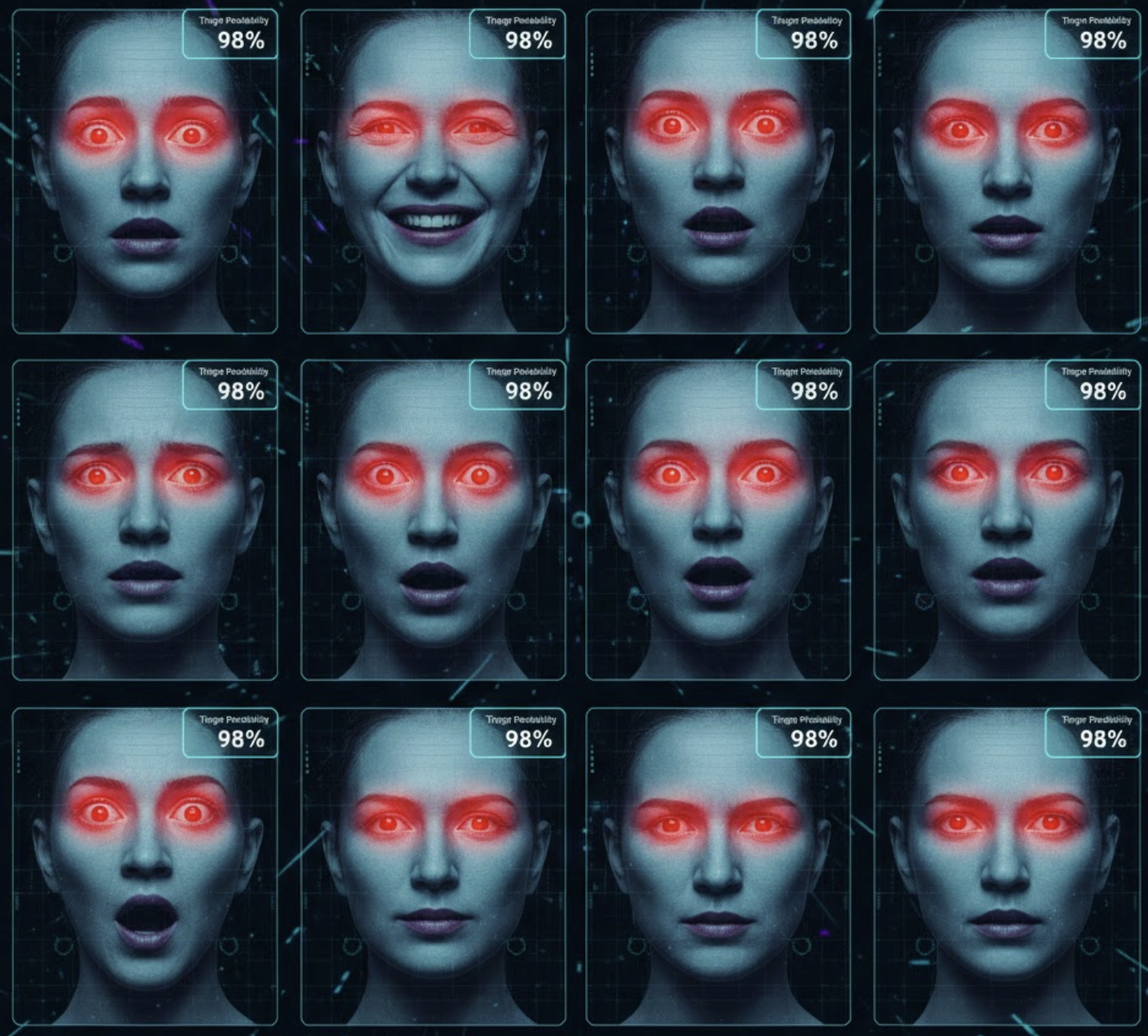
The AI Empathy Engine: Simulating Emotion
The scariest (and most amazing) part of modern AI is its unprecedented ability to simulate empathy.
You can tell an AI: "Write an ad for a weight loss supplement, but don't talk about weight. Talk about the energy to play with their kids." The AI will instantly write a script that can make a grown man cry.
It will talk about the pain of sitting on the sidelines and the fear of not being there for graduation. It hits the emotional notes perfectly, not because it feels them, but because it knows you feel them.
AI understands the "Shadow Self": the hidden fears and deepest desires we rarely say out loud.
Conclusion: Achieving Empathy at Scale in Advertising
The "Perfect Ad" is not the one with the best graphics. It's the one that makes the user feel completely understood.
AI empowers us to do this at a scale never before possible. We can now generate 1,000 different ads, each one tailored to a specific psychological need of a highly specific user. We can finally deliver mass intimacy.
The technology may be artificial, but the emotional connection is entirely real.
Frequently Asked Questions
Common questions about this topic
1How does AI use psychology in advertising?
2What is the difference between PAS and AIDA frameworks?
3Which part of the brain should ads target first?
4How does color psychology affect ad conversion?
Written by

Albertas Pocius
Co-founder, CMOAlbertas is the Co-Founder and CMO of TryCrush.ai, bringing elite-level performance marketing expertise to the platform. With over $50M+ in combined Facebook and TikTok ad spend, Albertas has launched and scaled dozens of projects from zero, driven by a deep obsession with data and experimentation. He has trained 20+ media buyers, consulted 100+ companies, and is widely recognized as one of Europe’s early TikTok pioneers, likely the first to scale campaigns beyond $100K per day. Today, he also teaches advertising strategy at two colleges, shaping the next generation of media buyers.
Stop Guessing.
Start Crushing.
AI Ad Manager trained by world-class media buyers to generate your creatives and optimize your ads 24/7.
Learn more
Related articles
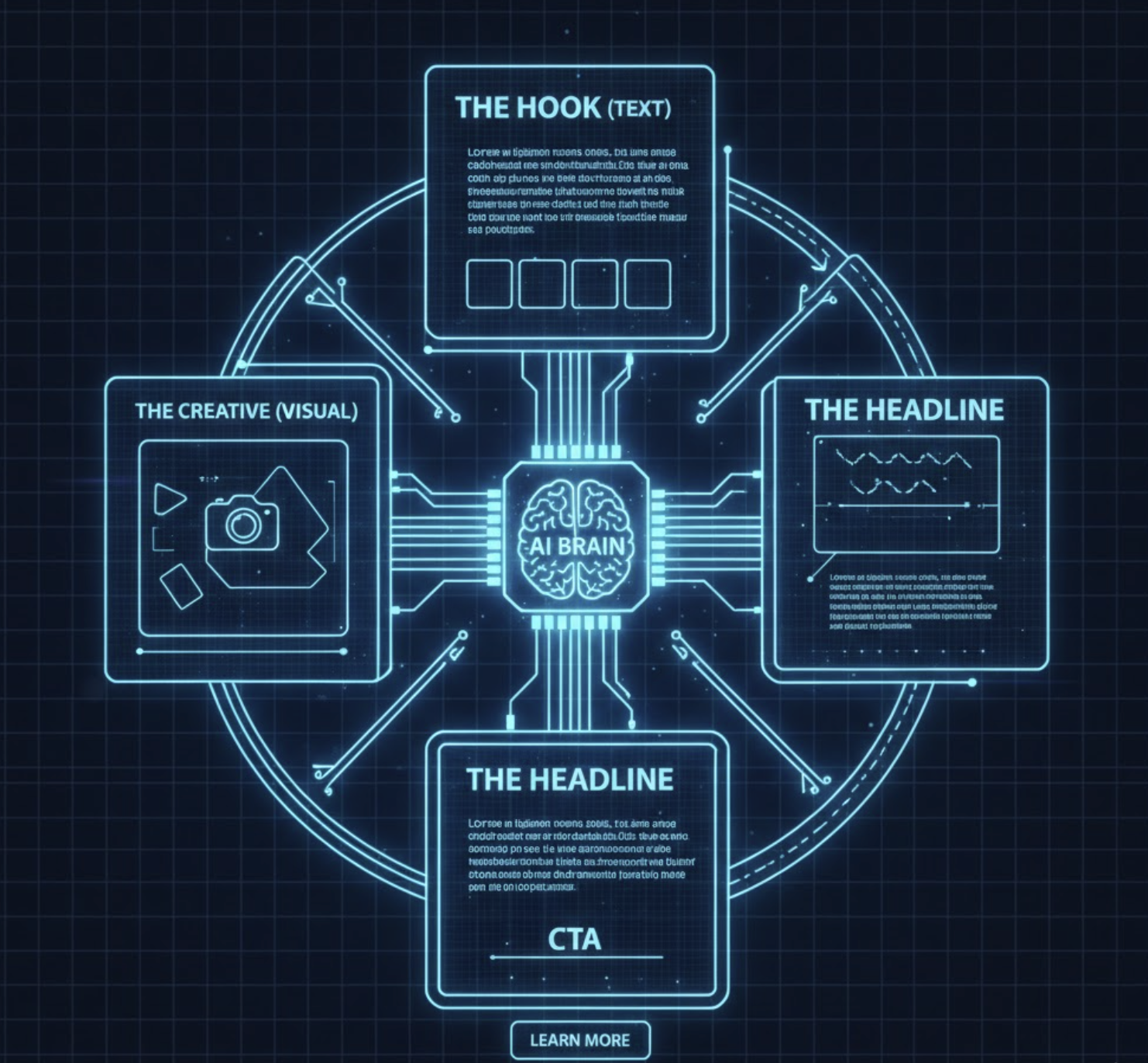
The Anatomy of a High-Converting AI Facebook Ad
Winning ads aren't magic; they're math. We analyzed 10,000 high converting Facebook ads to reveal the 3-part structure that scales ROI. Learn the blueprint now.
Scaling Dropshipping Shopify Stores: 2026 Ad Data
Most guides just show you pretty storefronts. We analyze the actual Facebook ad data that successful Shopify dropshipping stores use to scale profitability in 2026.

The Psychology of the "Winner": How to Identify Unicorn Ads Before Your Competitors
Unicorn ads aren't random; they leave clues. Discover the psychological triggers behind viral creatives and learn how to use predictive analysis to spot winning ads before they generate high ROAS. Don't waste budget on losing creatives.

How to Decode Winning Concepts Before Your Competitors Do
Transition from throwing spaghetti at the wall to becoming an advertising scientist. Discover how to identify, test, and scale winning ad concepts using psychological triggers and AI data analysis to build an automated pipeline for profit.