
Inactive· since Jun 14, 2026
- 80
- days it ran
- 0
- relaunches
Ad copy
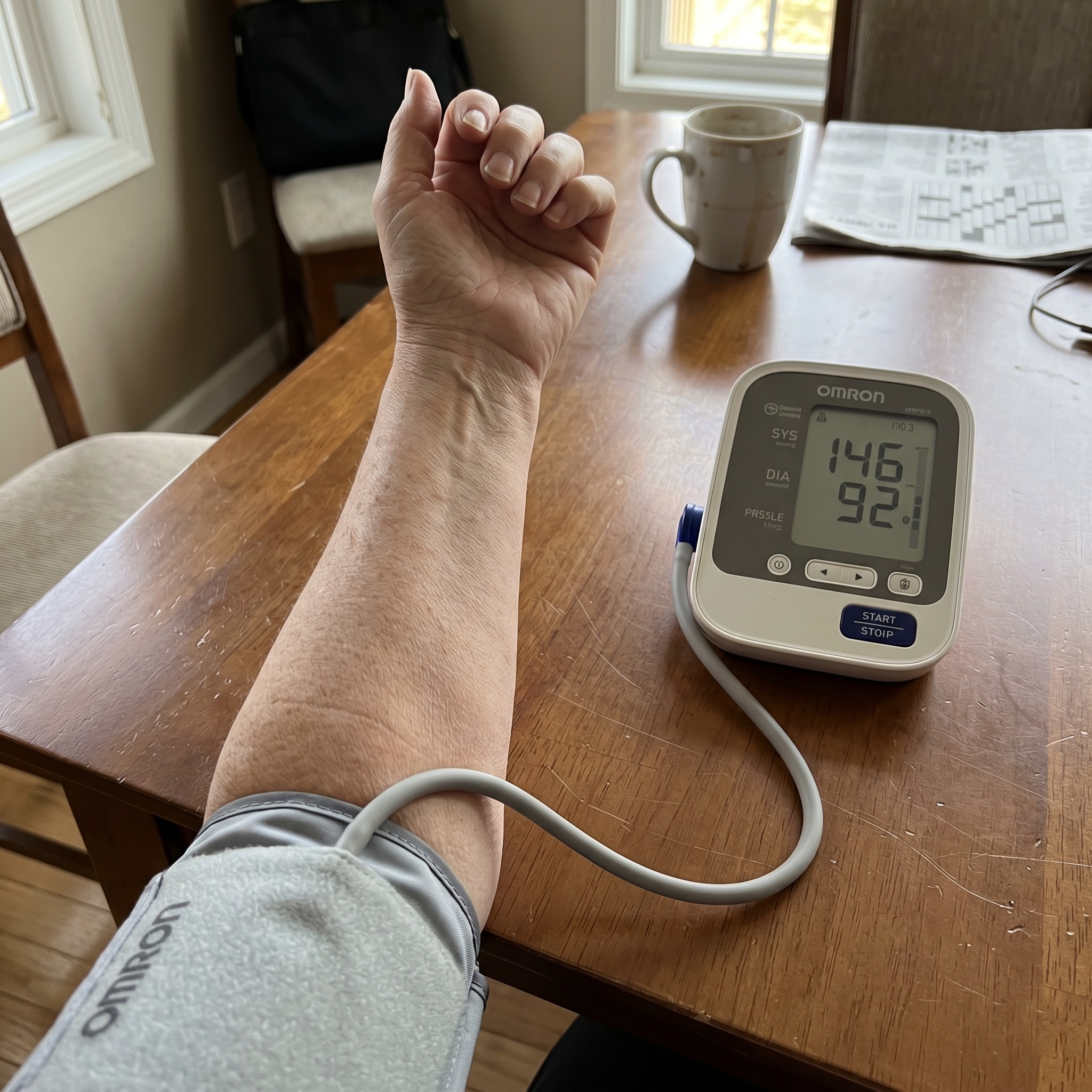
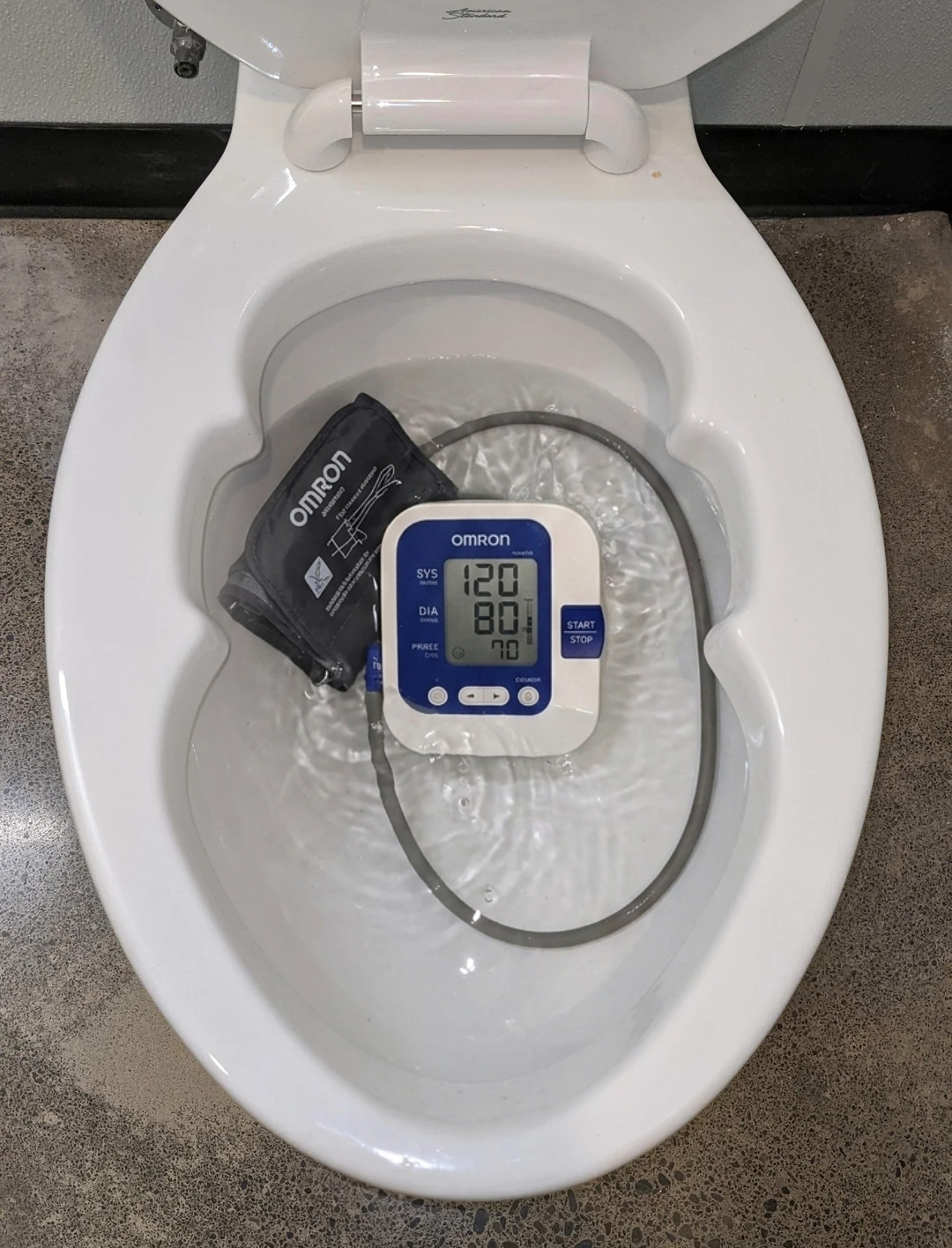
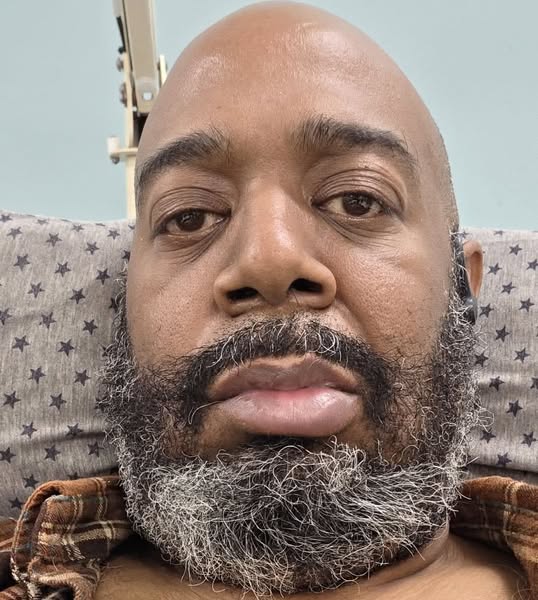
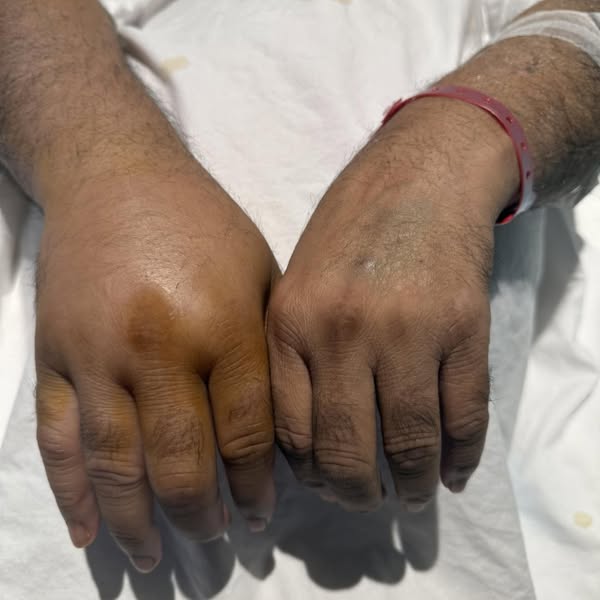
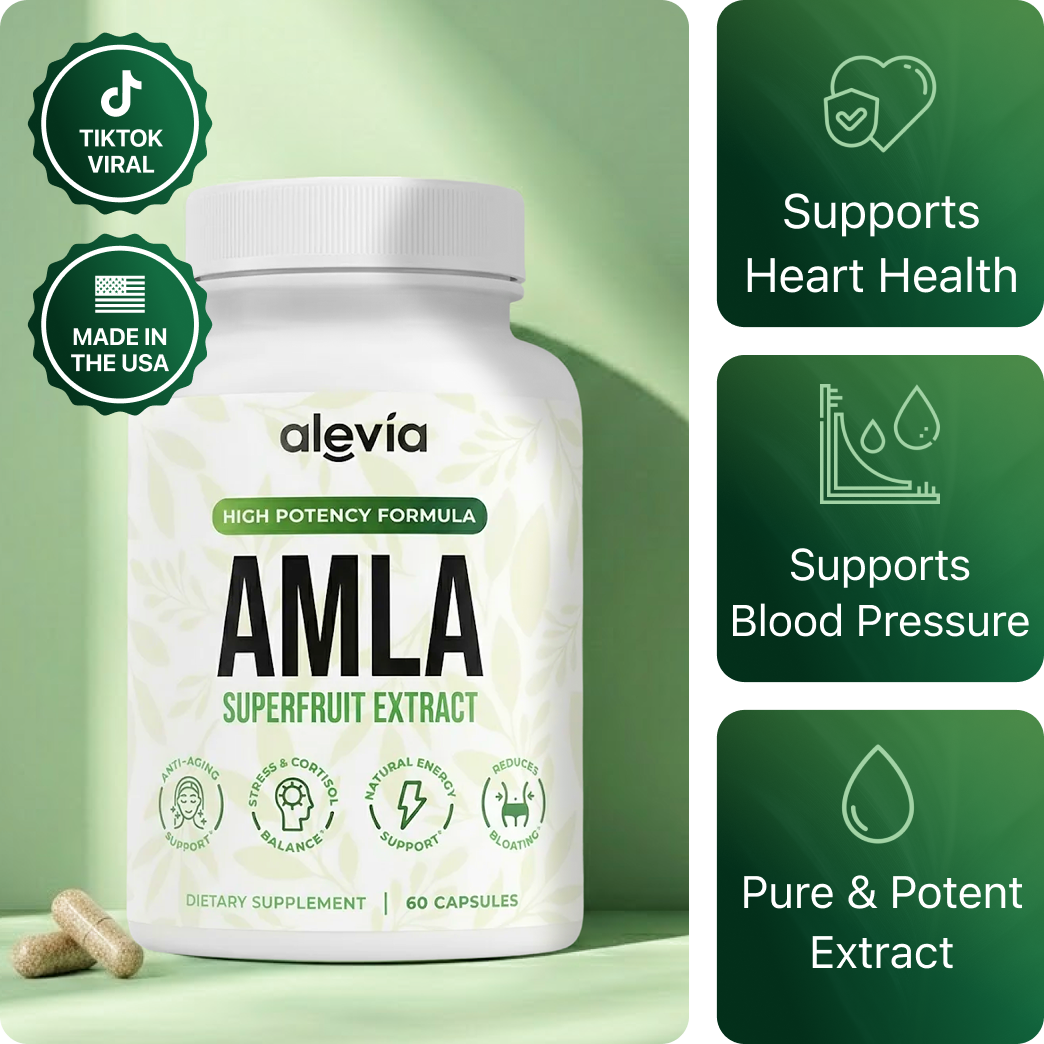
I'm a doctor, and I told a patient that if he refused his Lisinopril I'd document it in his chart as non compliance against medical advice. I'd known him for fourteen minutes. Twelve weeks later he walked back into my office with a blood pressure better than patients I'd been medicating for years. He never filled the prescription. He never took a single pill. I need to tell you what he found instead. Because it broke open everything I thought I knew after thirty one years of practice. His name was Mark Bellamy. He landed in my practice the way a lot of patients did that year. The doctor before me, a man named Whitfield, retired after thirty eight years. His patients got scattered across the rest of us. I inherited a stack of transferred files. Mark's was one of them. I'd never met him. Never spoken to him. All I had was the chart. And the chart looked like negligence. Five years of readings, every one higher than the last. 2022, 138 over 86. 2023, 144 over 89. 2024, 151 over 92. 2025, 158 over 94. The morning he sat in front of me, 162 over 98. Stage two hypertension for three straight years. And not a single prescription anywhere in the record. I remember the heat that rose in me reading it. Five years. What was Whitfield doing for five years. Mark started telling me he and Dr. Whitfield had a plan. Lifestyle changes. Diet. Exercise. Daily walks. He said Whitfield knew his history, knew his father, had always said let's keep monitoring it, Mark, let's try the lifestyle approach first. I cut him off. I asked him if monitoring it for five years while it climbed thirty points counted as a plan. He tried again. Said his father had terrible reactions to these medications. I told him his father's history didn't change his numbers. 162 over 98. He could have a heart attack, a stroke, kidney damage. We were starting Lisinopril. Twenty milligrams. That day. He said he'd rather not. And I said the line. The one I'd said to stubborn patients before him. That this wasn't a discussion. That if he refused treatment, I was required to document it in his chart as non compliance against medical advice. I printed the prescription. Handed it to him. Told him to follow up in twelve weeks. The whole appointment took fourteen minutes. I had a waiting room full of people. In my mind he was already filed. Another stubborn man who'd read something online and decided he was smarter than three decades of medical training. He'd come back begging for the script after a scare. Or I'd see his name come through the ER. I typed two words into his file. Non compliant. And I moved on to my next patient. Didn't think about Mark Bellamy again. Twelve weeks later, his name came up on the schedule. I assumed he was finally here to fill the prescription. They usually are. Probably had a scare. Chest tightness. Now he wanted the medication. My nurse wrapped the cuff. Pumped it. Watched the screen. Then she frowned, and did it again. Then a third time. She looked at me. Her voice was careful. 124 over 79. I grabbed the chart. Pulled up his history. 162 over 98 twelve weeks ago. Now 124 over 79. A thirty eight point drop in systolic. In twelve weeks. Without medication. I have patients who've been on Lisinopril for three years who can't hit 124. What are you taking. The question came out before I could stop it. And Mark told me everything. I sat there and let a man I'd labeled non compliant explain to me the thing I'd spent thirty one years never being taught. He started with his father. Because that was where it started for him. His father had been on blood pressure medication for fifteen years. Started on Lisinopril. The same medication I'd handed Mark across my desk. The cough came within six weeks. Not a tickle. A deep, dry, hacking cough that never let up. It woke him at night. Interrupted every conversation. Made him sound sick when he wasn't. They switched him to Amlodipine and the cough eased. But then his ankles swelled like balloons. He had to buy shoes two sizes bigger. Couldn't get his feet into anything he owned. Then the fog rolled in. He started forgetting things. Small things at first. Where he'd put his keys. What he'd gone to the store for. Then bigger things. Names of people he'd known for years. The punch line of a story he'd told a hundred times. And the fatigue. Mark said that was the worst. This was a man who'd coached Mark's wrestling team. Built their front porch with his own hands. Fixed the car in the driveway on weekends. By 65 he was napping twice a day. Couldn't follow a conversation without losing the thread. Lost interest in everything he used to love. Just existing. Going through the motions of a life that didn't feel like his anymore. Mark's mother said it was like watching him disappear. He died at 71. Heart attack. While taking the medication that was supposed to protect his heart. Fifteen years of side effects. Fifteen years of feeling like a shadow of himself. And it didn't save him. I listened to all of it sitting in the chair I'd judged this man from twelve weeks earlier. That was why he refused, he said. That was the road he wasn't willing to start down. Not yet. So when he walked out of my office with that prescription in March, he didn't fill it. He went home and started looking for another way. He told me he searched everything. Beetroot. Garlic. Magnesium. Fish oil. Hibiscus. Every natural blood pressure supplement with actual research behind it. He tried the top rated beetroot powder on Amazon. Six weeks, every morning without fail. 158 over 95. Basically unchanged. Switched to high dose garlic extract, allicin standardized. Eight weeks. Nothing. Tried a full blood pressure stack from a specialty supplement store. Beetroot, magnesium, CoQ10, fish oil. The most expensive thing they had. 156 over 93. Two points off the top, maybe three. Noise. He was running out of time before his follow up, and running out of ideas. Then, he said, he stopped looking for supplements. And he started looking for the real reason blood pressure goes up in the first place. What's actually happening inside the blood vessel. Why his number kept climbing year after year no matter what he did. And he found something that changed the way he understood the whole thing. It wasn't hidden, he said. It wasn't some secret nobody wanted him to know. It was basic science. Just nothing anyone had ever bothered to explain to him in a doctor's office. Including me. The number on the cuff isn't the problem, he said. The wall is the problem. I almost stopped him there. But I didn't. Because he was sitting in front of me at 124 over 79, and I had no way to explain it. So I let the patient I'd labeled non compliant teach me. Your blood vessels aren't just tubes, he said. They're alive. The inside of every blood vessel in your body has a thin inner wall, a layer of living cells, and that wall is what controls whether your vessels open up or stay tight. When the wall is healthy, it makes a tiny molecule called nitric oxide. Every second of every day. Nitric oxide is the signal that tells your vessels to relax. When the wall is healthy and the signal is strong, your vessels open and close smoothly with every heartbeat. Blood flows through easy. Pressure stays normal. You don't think about it. The way you don't think about breathing. But that inner wall is exposed to everything in your blood. Every processed meal you've eaten. Every blood sugar spike. Every stressful day at work. Every bad night of sleep. All of it scrapes across that wall, hour after hour, year after year. And eventually it wears the wall down. Like the inside of an old pipe that's been rusting for decades. The surface that used to be smooth is now raw and rough. Once the wall is damaged, it stops making nitric oxide. The signal gets cut off. And without the signal, your vessels can't relax. They stay tight. Blood has to force its way through. Your heart has to push harder every single beat. That's high blood pressure, he said. Not a mystery. A damaged inner wall that stopped sending the signal. I knew the biochemistry of nitric oxide. Of course I did. What I had never once done was sit with a patient and connect it to the number I was treating. Then he told me the part that made me put my pen down. The harder blood pushes through a damaged vessel, he said, the more it tears up the wall. Every beat of your heart is pushing blood across a surface that's already raw. And the force makes it worse. More damage. Less nitric oxide. Tighter vessels. Higher pressure. Even more damage. The cycle feeds itself. That, he said, was why his pressure kept going up year after year. Why the beetroot hadn't worked. Why the garlic hadn't worked. Why the stack hadn't worked. Every one of those supplements was trying to add more nitric oxide from the outside. Or thin the blood. Or relax the muscle around the vessel. None of them touched the wall. None of them stopped the damage that was driving the whole thing. He said he'd been bailing water out of a boat while ignoring the hole in the side. And then he looked at me and said the thing I haven't been able to shake since. The Lisinopril you tried to put me on, he said, it forces the vessels open with a chemical. The number drops. You'd have been happy. But the wall stays damaged. Still rusting. Still not making nitric oxide. Still getting torn up by every heartbeat. The drug forces the pipe open. It doesn't address the wall. That's why people on blood pressure meds still have heart attacks, he said. That's why my father did. His numbers were perfect the morning he died. Perfect. And it didn't save him because the wall underneath was falling apart the whole time. We were watching the wrong thing. I have written more than two thousand prescriptions for blood pressure medication in my career. And a man I'd labeled non compliant had just explained to me, correctly, why the number on the cuff was never the thing that was killing my patients. So he went looking for something else, he said. Something that actually went after the wall. Not the number. The wall. What he needed was an antioxidant. Something strong enough to reach the inner wall, neutralize whatever was eating away at it, and let it heal so it could start making nitric oxide again on its own. Most antioxidants don't get there, he said. They get broken down in the gut. Or they're too weak. Or they never reach the wall at all. He looked at the usual stuff. Green tea. Pomegranate. Grape seed. They all had some research behind them, but the results were small, and the researchers kept pointing out the same thing, that you don't get the same effect from a single piece pulled out of a plant as you do from the whole plant working together the way nature put it. Then he found something else. Scientists had tested over three thousand foods to see which one had the strongest antioxidants. A fruit called Amla came out on top. Not blueberries. Not turmeric. Not green tea. Amla. And it wasn't close. Amla grows in the foothills of the Himalayas, he said. Healers over there have been using it for over five thousand years. They called it the nurse, the one thing they reached for when somebody's body was breaking down from the inside. But what really got him was the mechanism paper. Amla has a specific compound in it called emblicanins. You only find them in this fruit. And what they do was exactly what he'd been searching for. They find the damage on the inner wall of your blood vessels and they go after it directly, he said. Not in the gut like garlic. Not in the muscle around the vessel like magnesium. Right on the wall itself. Where the problem actually is. When the damage eases, the wall starts to heal. The raw, beat up surface that hasn't been able to do its job in years starts to come back. And when the wall heals, it starts making nitric oxide again. On its own. The way it did when you were thirty. Vessels relax on their own. Blood flows easy. Pressure comes down. Not because something forced it. Because your body is doing what it always knew how to do. You just had to address the wall first. The hole in the side of the boat, he said. Sealed from the inside. I sat there thinking, this isn't fringe stuff. This is real research, sitting in real journals, that nobody at a normal doctor's office was bothering to look at. Me included. He almost ordered the first Amla bottle he could find, he said. Got one off Amazon that weekend. Cheap powder capsules. Twelve dollars. Took it for a week. Didn't feel different. Didn't expect to, you can't feel your blood pressure. But he went back to the research and noticed something he'd skipped past the first time. The studies that worked weren't using grocery store powder. They were using a specific kind. Standardized extract. Organic. Made with low heat. One paper said the cheap stuff most companies sell gets blasted with high heat during processing, and that high heat destroys the emblicanins. The whole reason it works in the first place. So you end up with a bottle of ground up fruit that does nothing. The Amazon bottle was junk, he said. Whatever was in that fruit was gone before it ever hit the capsule. So he searched again. Organic Amla, standardized emblicanins. One brand kept coming up, he said. Not on the wellness blogs. On the forums where people were posting their actual blood pressure logs, week by week, tracking what worked. Alevia. Standardized Amla extract. Organic. Third party tested. Made in the USA. Small batches with low heat processing so the emblicanins actually survive. No fillers. No junk. A 90 day money back guarantee. He ordered it immediately. Two capsules with water every morning. That was the whole protocol. He tracked it the way I'd track a drug trial. Home cuff. Three days a week. Morning and evening. Averaged out. By the end of the first week, the 2 PM crash he'd accepted as normal didn't come. He made it to dinner without feeling like he was running on fumes. Slept through the night without waking at 3 AM. Week two, he woke up on a Saturday and his hands didn't feel puffy. The dull pressure he'd felt behind his eyes for months was gone. His thinking felt sharper. His wife said he seemed less heavy, like something lifted. Week four, he sat down with his home cuff and took readings three days in a row, morning and evening, averaged them out. 142 over 89. Down from 162 over 98. Twenty points off the top in four weeks. Without medication. Week seven, same routine, three days, morning and evening. 128 over 82. Stage one. Out of the stage two range that had put the prescription in my hand in the first place. And now he was sitting in my exam room at 124 over 79. The man I'd written off in fourteen minutes. I asked him to send me everything. The research. The work on emblicanins. The sourcing and testing on what he was taking. He said he'd saved all of it, and he'd email it that night. He did. I read it for a long time. The pharmacology. The research on the inner wall going back decades. The testing documentation. I checked the sourcing myself. It was the only product I found that matched the quality the studies actually used. Organic. Low heat processed. Full emblicanins. Third party tested. Made in the USA in small batches. I told Mark to continue exactly what he was doing. Back in twelve weeks. If it held below 130, quarterly monitoring. No Lisinopril. That was four months ago. His last quarterly check was 121 over 77. Below the thresholds that matter. Stable. No medication. No compliance flag in his chart. Just results. I've spent thirty one years believing patients like Mark were the problem. The stubborn ones. The ones who read something online and decided they knew better than my training. Mark wasn't the problem. My fourteen minutes was the problem. My waiting room full of people. The two words I typed into his file before I'd bothered to understand a single thing about him. That was the blind spot. And it was mine. So I'm writing this for the person who's sitting where Mark sat. Cornered. Pressured. Feeling like Lisinopril, or one of its cousins, is the only option your doctor will accept. Here's what a man I labeled non compliant taught me. The reason most blood pressure supplements don't work is that they're aiming at the wrong thing. They're trying to add more nitric oxide from the outside. Or thin the blood. Or relax the muscle around the vessel. But they don't address the inner wall that's supposed to make nitric oxide on its own. The wall stays damaged. The signal stays cut off. The vessels stay tight. The pressure stays high. Until you address the wall, the cycle doesn't stop, the number doesn't come down, and the damage keeps building underneath whether your reading looks good or not. Lisinopril forces the vessels open, but it doesn't address the wall either. Which is why people on blood pressure medication still have heart attacks. Why Mark's father did. Why his perfect numbers on his perfect chart didn't save him. Alevia's Amla was the only one he found that matched the quality the studies actually used. Organic. Low heat processed. Full emblicanins. Third party tested. Made in the USA in small batches. I'm a doctor and I checked it myself, and that's the one he was taking when he walked into my office at 124 over 79. It's a small company. They make everything in small batches to keep the potency up, which is why it works when most others don't, and which is also why they sell out regularly and you have to wait for the next batch. If you feel cornered, give it 90 days. Track your pressure at home with your own cuff, three days a week, morning and evening. Then walk into your next appointment with the data, the way Mark walked into mine. 90 day money back guarantee. If you don't see improvement in your numbers, if you don't feel a difference, if you're not satisfied for any reason, contact customer service for a full refund. No questions asked. You risk nothing. I'm the doctor who labeled him non compliant. Numbers are the only thing that changed my mind. They might be the only thing that changes your doctor's too. 👉 alevia.com/amla/8 Dr. Marcus Reyes P.S. Mark noticed energy and clarity changes by week two. His pressure dropped 20 points off the top by week four. He was out of stage two entirely by week seven. I backed off the Lisinopril the moment I saw his chart. Your timeline may vary, but 90 days is the window, and you risk nothing. P.P.S. I've written more than two thousand prescriptions for blood pressure medication. I'm not telling you what to do with your own, that's between you and your doctor. I'm telling you that a patient I dismissed in fourteen minutes understood something I didn't, and his numbers proved him right. The research exists. The reason it works is real. He did the looking. Now you have the answer. 👉 alevia.com/amla/8
Like this ad? Make it yours.
Crush rebuilds this exact creative around your product — your brand, your colors, your offer — in about a minute.