Dr. Matthew Walker
Dr. Matthew Walker Facebook ad: “Ceylon Cinnamon 7200mg Equivalent with MCT Oil”
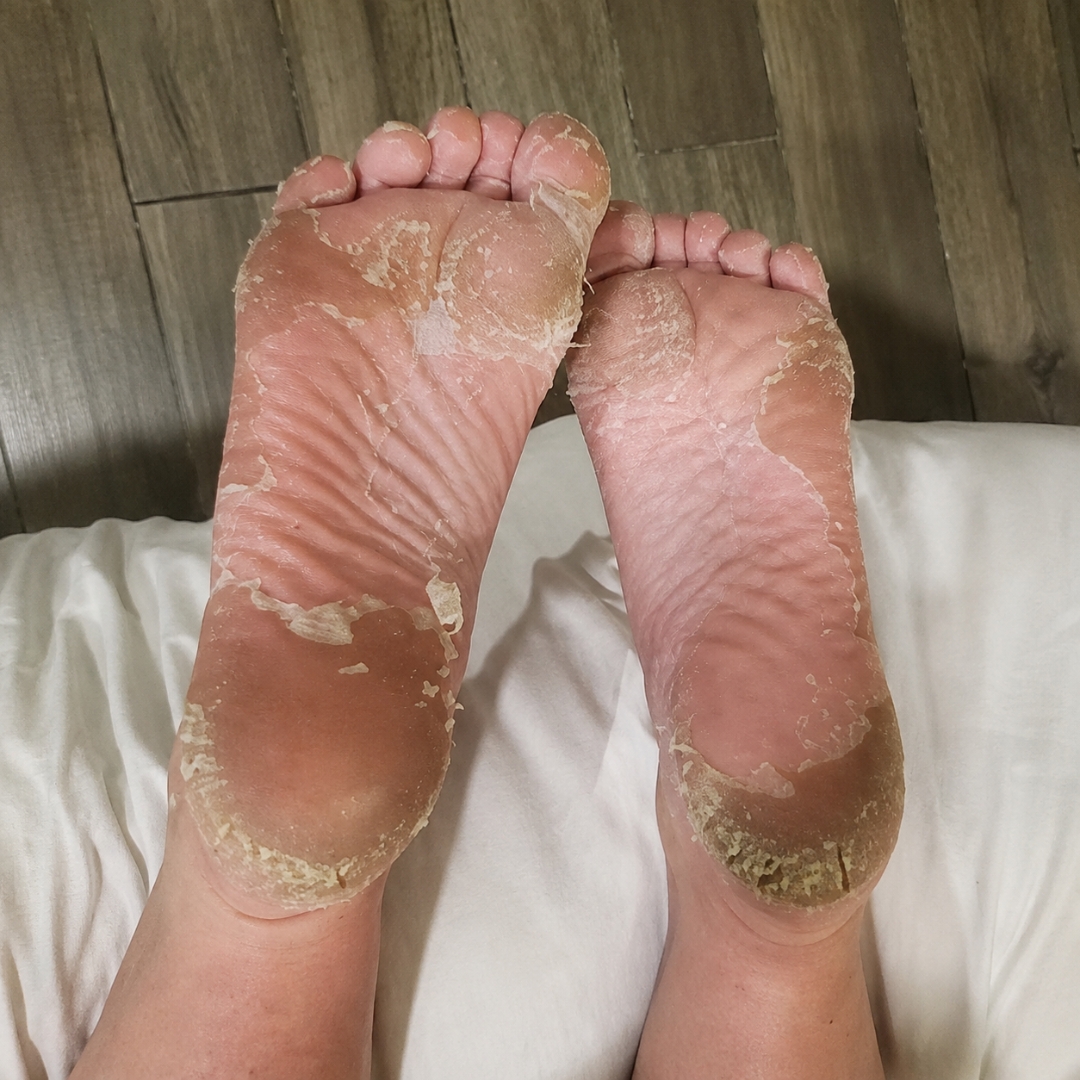
Ran for 5 days, from August 14 to August 19, 2026, the last day Crush saw it.
Run by Dr. Matthew Walker on Facebook. Crush is not the advertiser and does not verify its claims. See this ad in Meta's Ad Library(opens in a new tab)
Want an ad like this for your product?
Crush makes new ad images for your product from this ad: your logo, your product photo, your offer.
Trials from $19.95 USD, then $79.95 USD a month. Cancel anytime.
About this ad
- Meta Ad Library ID
- 1524153615592287
- Platforms
- Facebook, Instagram, Audience Network, Messenger and Threads
- Relaunches
- 0
Ad text
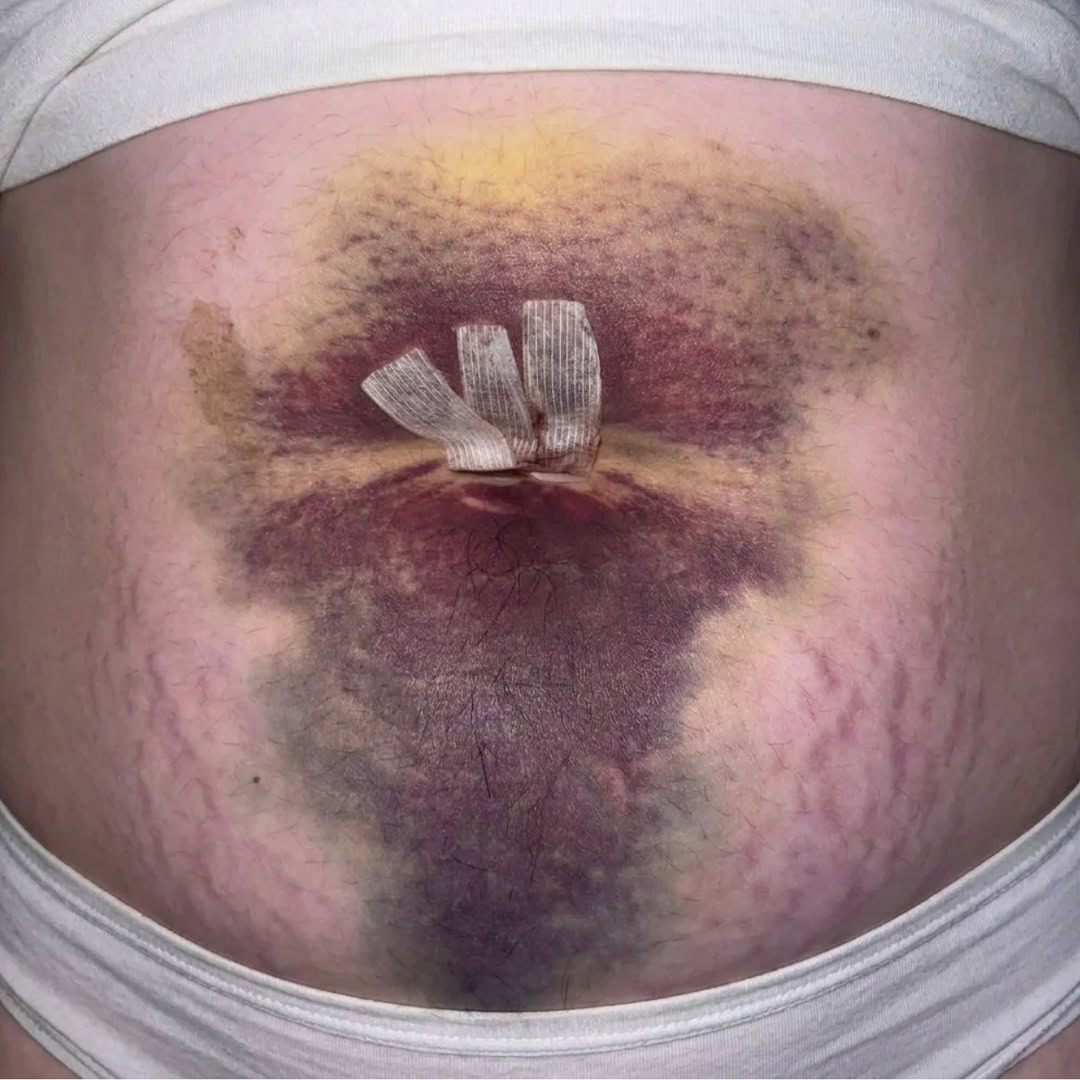
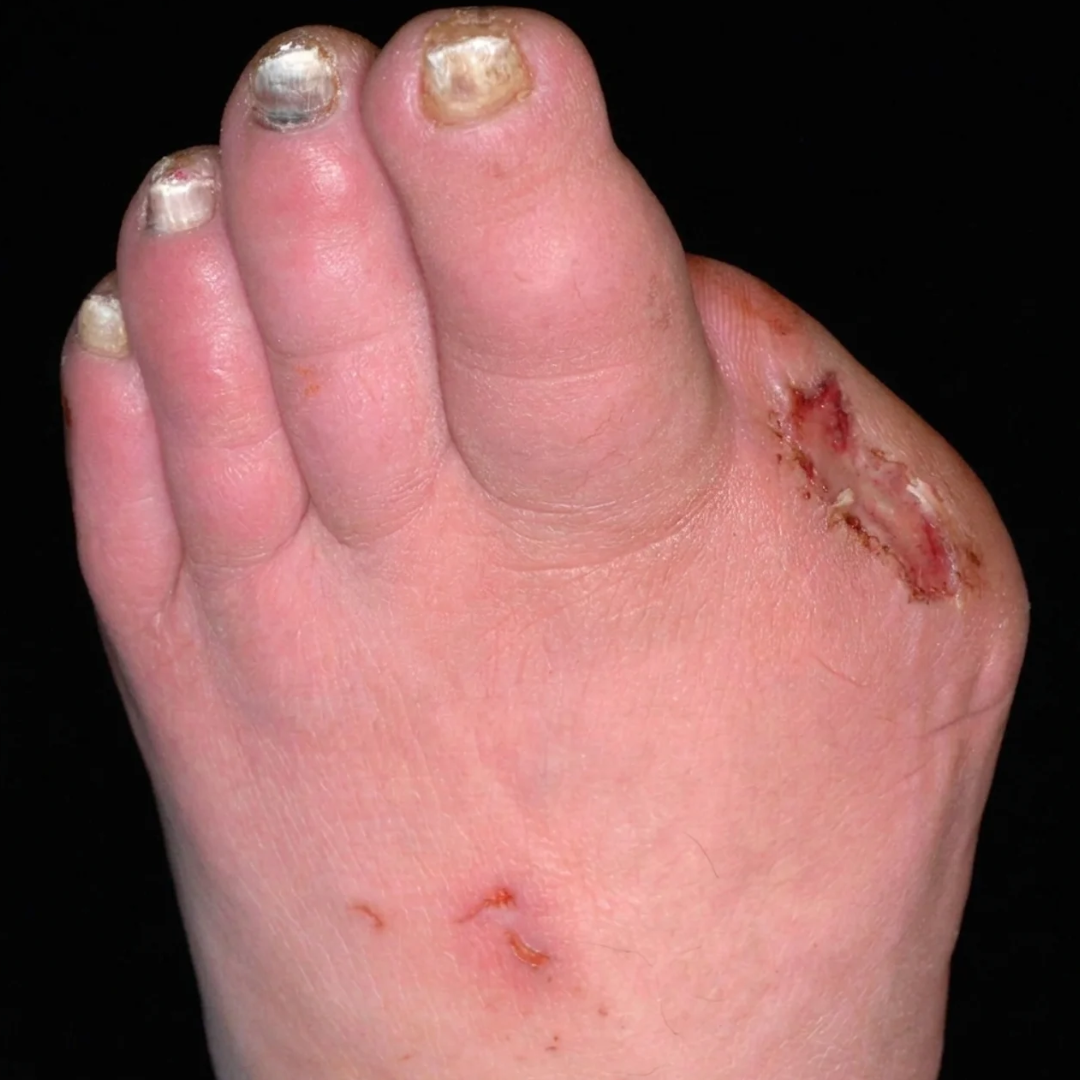
Diabetic neuropathy has six stages. I used to ask every patient the same thing. "What was your blood sugar number before your feet went numb?" Most of them had no idea what was happening until stage four. And the answer was always the same — between 6.4 and 7.5. The wound care unit is not full of people who ignored their blood sugar. It is full of people who trusted the wrong number. It was always someone who did everything their doctor told them to do. I'm Dr. Matthew Walker. I've been a wound care specialist for 18 years. Thousands of patients. Diabetic foot ulcers, nerve damage, amputations. I have watched a man look at his own foot and not feel the probe I was pressing against it. I have watched women my age lose toes, then a foot, then more, because the damage had been building for a decade behind a number their doctor called managed. I have watched a husband wheel his wife into our unit for a wound that started as a blister from a shoe she never felt rubbing. And last month I sat across from my own physician and heard the word prediabetes attached to my name for the first time. I knew exactly what came next if I let it. Let me tell you what these six stages actually look like. Because most people only know the last one. The one I watch every day. They do not know what happens on the way there. And by the time most people learn what these stages mean, they are already past the stage where any of it was easy to stop. Stage one. The nerve fibers start losing insulation. Your peripheral nerves run from your spine all the way to your toes through a network of fibers wrapped in a fatty insulating layer called the myelin sheath. That sheath is what allows nerve signals to travel fast enough to tell your foot where it is in space, tell you when something is too hot, tell you when your shoe is rubbing wrong. What most people don't know is when that insulation starts failing. Chronically elevated blood sugar does two things to your nerve fibers simultaneously. First, it inflames and closes off the tiny capillaries that feed those fibers with oxygen and nutrients. Second, glucose physically attaches to the proteins in the myelin sheath itself — this is called glycation — warping the structure the way heat warps plastic. No sound. No warning. Just steady, invisible damage. Your nerves can lose a significant portion of their function before you feel a single symptom. Most people have no idea this is happening right now. Stage two. The tingling. The first signal arrives. A tingling in the feet. Sometimes burning. Sometimes a pins-and-needles sensation that comes and goes. Most people blame it on sitting too long, on circulation, on getting older. It is the one warning your body sends before the real damage becomes irreversible, and most people dismiss it. But I need you to understand what that tingling is telling you. Your blood sugar number measures one thing. The percentage of your red blood cells coated in glucose. A rolling 90-day average of how much sugar is floating in your blood. That is all it measures. It does not see the tiny capillaries threading through your nerve tissue. It does not see the myelin sheath degrading around your nerve fibers. It sees the level of the flood. Not where the flood is going. A blood sugar number of 6.8 can be called managed and your nerve fibers can still be quietly losing insulation behind it. Both things are completely true at the same time. Because the blood sugar number is tracking the water level. Your nerves are paying the price of the current underneath. That tingling is not a warning sign that something might happen. It is evidence that something is already happening. Stage three. The compensation. The silent stage. The most dangerous. Your nervous system starts compensating for the damaged fibers. The signals reroute. You adapt without knowing you are adapting. Your balance shifts slightly. Your gait changes in ways so small nobody notices. Your labs still look acceptable. Your doctor says keep monitoring. But here is what nobody tells you about this stage. Your GLUT4 transporters, the tiny doors on every cell in your body whose job is to pull glucose out of your bloodstream and into the cell where it becomes energy, have stopped responding. In a healthy body, insulin gives the signal, the doors open, glucose moves from blood into cell, and blood sugar comes down. In insulin resistance, those doors stop coming to the surface. Insulin gives the signal. Nothing happens. Your pancreas sends more insulin. Still nothing. The glucose has nowhere to go, so it stays in your blood and keeps circulating. Your cells are starving. Your blood is flooded. And the tiny capillaries feeding your nerve fibers are being choked off simultaneously, starving the fibers of the oxygen and nutrients they need to maintain the insulation that is already being glycated from outside. Two processes. Both running at once. Both driven by the same upstream failure. Both invisible on your blood sugar number. Everything looks fine until it isn't. Stage four. The numbness. The tingling stops. Not because the damage stopped. Because enough nerve fibers have been lost that the signal itself can no longer get through. The burning at night stops. The pins and needles stop. Patients often tell me this is when they thought they were getting better. They were not getting better. The numbness is further fiber loss. What your brain used to interpret as pain or tingling, it can no longer receive. The alarm has gone silent because the wires carrying the alarm have been cut. And now the danger becomes invisible in a completely different way. You cannot feel the stone in your shoe. You cannot feel the blister forming. You cannot feel the wound that opens and does not close. Your doctor was monitoring. The nerve damage had been happening for years. The fatigue you blamed on aging. The balance you blamed on getting older. The strange way your feet sometimes felt like they were wrapped in cotton. It all makes sense now. But the window to address it easily is closing fast. Stage five. The wound that will not heal. You cut your foot on something you did not feel. You develop a blister from a shoe. You step on something in the dark. You notice it days later, not because it hurt, but because it looked wrong. You did everything you were told and it kept getting worse. Because nobody addressed what was actually keeping the glucose circulating and the nerve fibers dying in the first place. The GLUT4 doors were still closed. The sand was still coming. The metformin reduced the flood but never opened the drain. And the monitoring just measured how much faster the damage was compounding. Now the wound will not heal. Because the same elevated glucose that destroyed the nerve insulation has also impaired the immune cells that fight infection, the capillaries that deliver oxygen to healing tissue, and the collagen that rebuilds skin. And now your doctor says a word you never expected to hear. Amputation. Stage six. The loss. I see this stage every day. It starts with a toe. Sometimes it stops there. Sometimes it does not. I've watched people cry in my patients' rooms, not from pain — they cannot feel the pain anymore — but from the weight of what their life became. I've watched patients stop driving because they cannot feel the pedals reliably. I've watched marriages strain under the schedule of wound care appointments, dressing changes, prosthetic fittings. One of my long-term patients told me something I think about every single day. She said, I knew something felt wrong for years. I just didn't know what to do about it. My doctor kept saying my numbers were fine. And every single one of them, when I asked what their blood sugar had been for the decade before they got here, said the same thing. Managed. My doctor always said it was managed. Nobody told me my nerves were dying behind that word. Every. Single. One. Most people think you cannot reverse nerve damage once it starts. And while it is true that dead nerve fibers cannot be fully revived, the research shows something important. Most patients in the early stages still have viable nerve fibers being starved of oxygen and nutrients by capillaries that are closing off. They are not dead. They are suffocating under sustained glucose pressure that was never addressed. Ease that pressure, and the fibers that are still viable begin receiving blood supply again. The tingling that had stopped sometimes returns — which patients often misread as the damage getting worse, when in fact it means the signal is coming back through fibers that were suppressed, not destroyed. The research on how to open those GLUT4 doors exists. It has been published. Peer-reviewed. Cited by the ADA's own journals. Sitting in databases that a 15-minute appointment leaves no time to read. There is a specific compound that triggers GLUT4 transporters directly. It bypasses the broken insulin signal entirely. It goes to the cell, speaks to the machinery inside it, and wakes the doors back up. A study published in the Journal of the American College of Nutrition found that MHCP, the active compound in true Ceylon cinnamon, was 20 times more effective at activating this cellular pathway than any other natural compound tested. Twenty times. A study in Diabetes Care, the ADA's flagship journal, found an 18 to 29 percent reduction in fasting blood glucose across multiple doses. A 2012 review in the Journal of Medicinal Food analyzed eight randomized trials and found meaningful drops in both fasting glucose and blood sugar number. Published. Replicated. Real. And in 18 years of watching this exact pattern play out in my patients, not once had anyone put this in my hand. Not because doctors are hiding it. Because the pipeline that moves research from a journal into a treatment room runs on patent money. You cannot patent a plant. So no pharmaceutical company funds the trials that would land it on a sales representative's desk. The studies stay in databases. The patients keep coming in with tingling they dismissed for years and wounds that will not close. That is not your fault. You took the pills. You tracked the number. You kept every appointment. The system was only giving you half the answer. Now. You have probably tried cinnamon before and felt nothing. I need you to understand exactly why. The cinnamon in your spice cabinet is Cassia. A completely different species. At the doses required to move blood sugar, Cassia silently burdens your liver. The European Food Safety Authority documented that as little as a quarter teaspoon per day pushes daily coumarin intake past safe limits. You were not taking the wrong amount. You were taking the wrong plant. True Ceylon cinnamon contains 250 times less coumarin. It is the only species appearing in the clinical research showing real metabolic results. Even real Ceylon in a dry capsule will likely do nothing. The active compounds are fat-soluble. Your cell walls are a double layer of fat molecules. A dry powder capsule has no fat carrier. So the compounds pass straight through without ever reaching the cells that need them. Your cinnamon did not fail because cinnamon does not work. It failed because it was never delivered. The brand I recommend is Metabolae. True Ceylon cinnamon. Cinnamomum verum, sourced from a single estate in Sri Lanka's Central Province. DNA-verified at the species level, not a label claim, an actual Certificate of Analysis. Dosed at 7,200mg equivalent per softgel. A 12-to-1 concentrated extract. The dosing range that corresponds directly to the published clinical trials. Suspended in MCT oil from coconuts, the fat bridge that carries the active compounds through your cell wall and into the cells where the GLUT4 transporters have been waiting for years to be told to surface. Third-party tested. Every batch verified for purity, potency, and coumarin levels. Sealed in a bag, not a bottle stuffed with fillers. Last month I got my own prediabetes diagnosis. Blood sugar number 6.4. Fasting glucose running 135 to 145. I had noticed tingling in my own feet at night for the last three months that I had been telling myself was the result of long hours on my feet. My physician said we'll keep an eye on it. I have said those exact words to patients who ended up back in my care years later. I ordered a bag that night. Week one, the fog lifted. I finished a full day of patient rounds and still had thoughts left. The tingling in my feet that night was quieter than it had been in months. Week two, my fasting readings started showing up in the 110s. I checked three times the first morning I saw 108. Week four, readings stabilized in the low 90s. The foot tingling had stopped entirely by the end of week three. Week eight, my fasting glucose was consistently between 88 and 96. My feet felt like my feet again. Week ten, my physician pulled my full panel. Blood sugar number down from 6.4 to 5.4. Fasting glucose under 95. She looked at the numbers. Looked at me. What did you change? I handed her the research I had been reading at 11:30 PM for three weeks. She read for ten minutes. Closed the folder. Your blood sugar has normalized. I nodded. Keep doing whatever you're doing. If you are feeling tingling in your feet right now, that is your window. Not next quarter when your labs come back worse. Not when the tingling stops and you think you are better when the signal has actually gone quiet because the fibers are dying. Now. 90-day money-back guarantee. No questions asked. If your fasting glucose does not come down, if your foot sensation does not improve, if you see no difference in 90 days, you pay nothing. The patients who see real movement are the ones who committed to at least three months. That is how long it takes to give your nerve fibers a real chance to recover blood supply and begin functioning again. One softgel daily with breakfast. That is the whole protocol. The wound care unit is not full of people who ignored their blood sugar. It is full of people who trusted the wrong number and waited too long to address what was actually driving the decline. Do not let the tingling stop and call it progress. Do not let someone else tell your story with the words I wish someone had told me sooner. I just did. Dr. Matthew Walker Wound Care Specialist, 18 years
Where the ad sends people
metabolae.com
Ceylon Cinnamon 7200mg Equivalent with MCT Oil
Metabolae
Learn more: metabolae.com(opens in a new tab)