Dr. Matthew Walker
Dr. Matthew Walker Facebook ad: “Ceylon Cinnamon 7200mg Equivalent with MCT Oil”
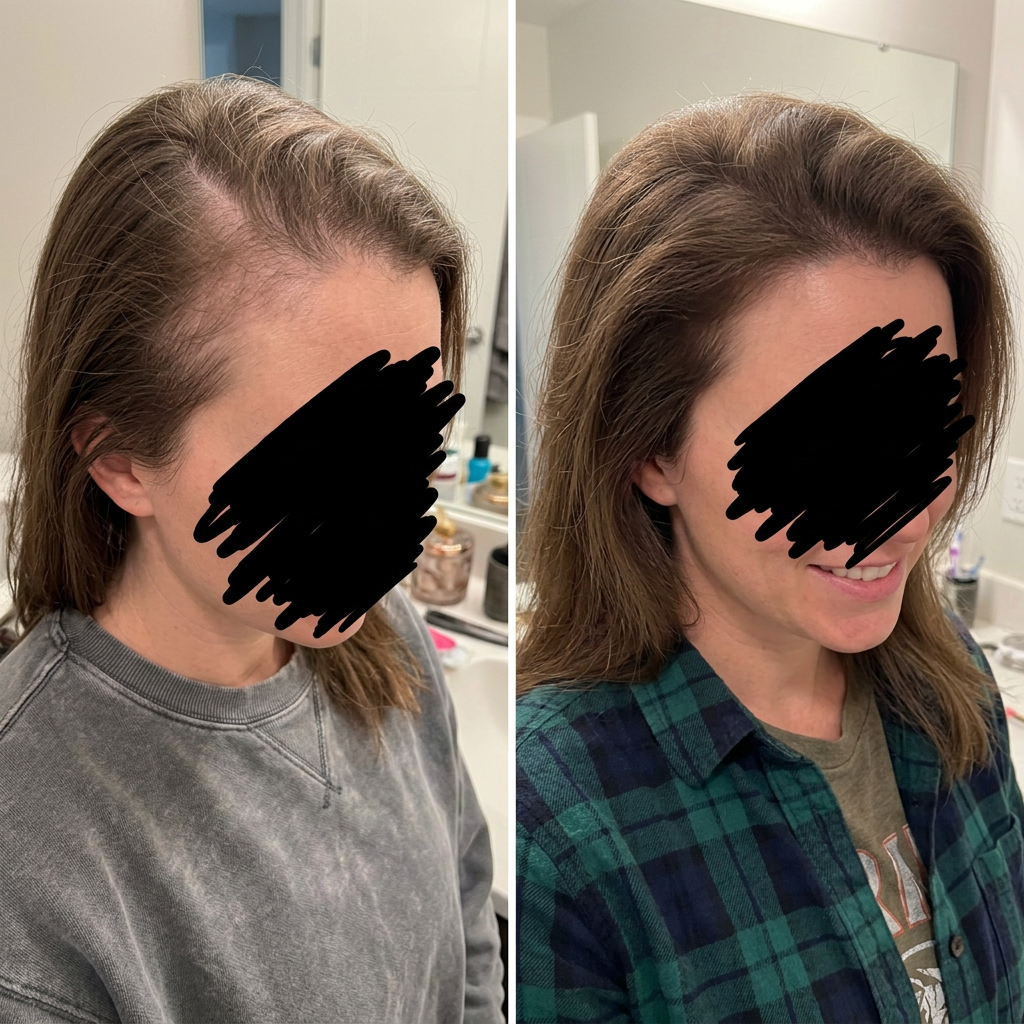
Ran for 31 days, from August 8 to September 7, 2026, the last day Crush saw it.
Run by Dr. Matthew Walker on Facebook. Crush is not the advertiser and does not verify its claims. See this ad in Meta's Ad Library(opens in a new tab)
Want an ad like this for your product?
Crush makes new ad images for your product from this ad: your logo, your product photo, your offer.
Trials from $19.95 USD, then $79.95 USD a month. Cancel anytime.
About this ad
- Meta Ad Library ID
- 1610606657375664
- Platforms
- Facebook, Instagram, Audience Network and Threads
- Relaunches
- 0
Ad text
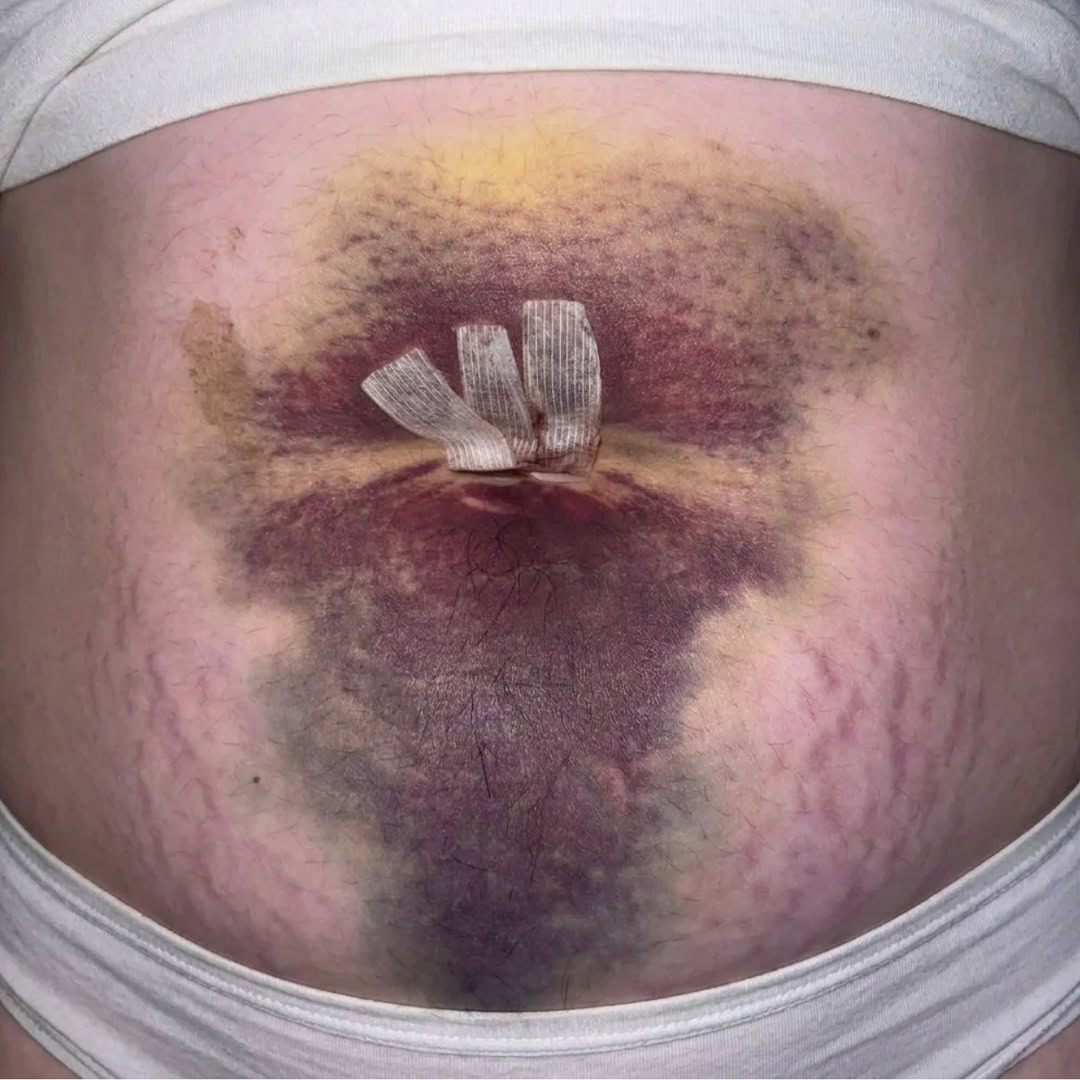
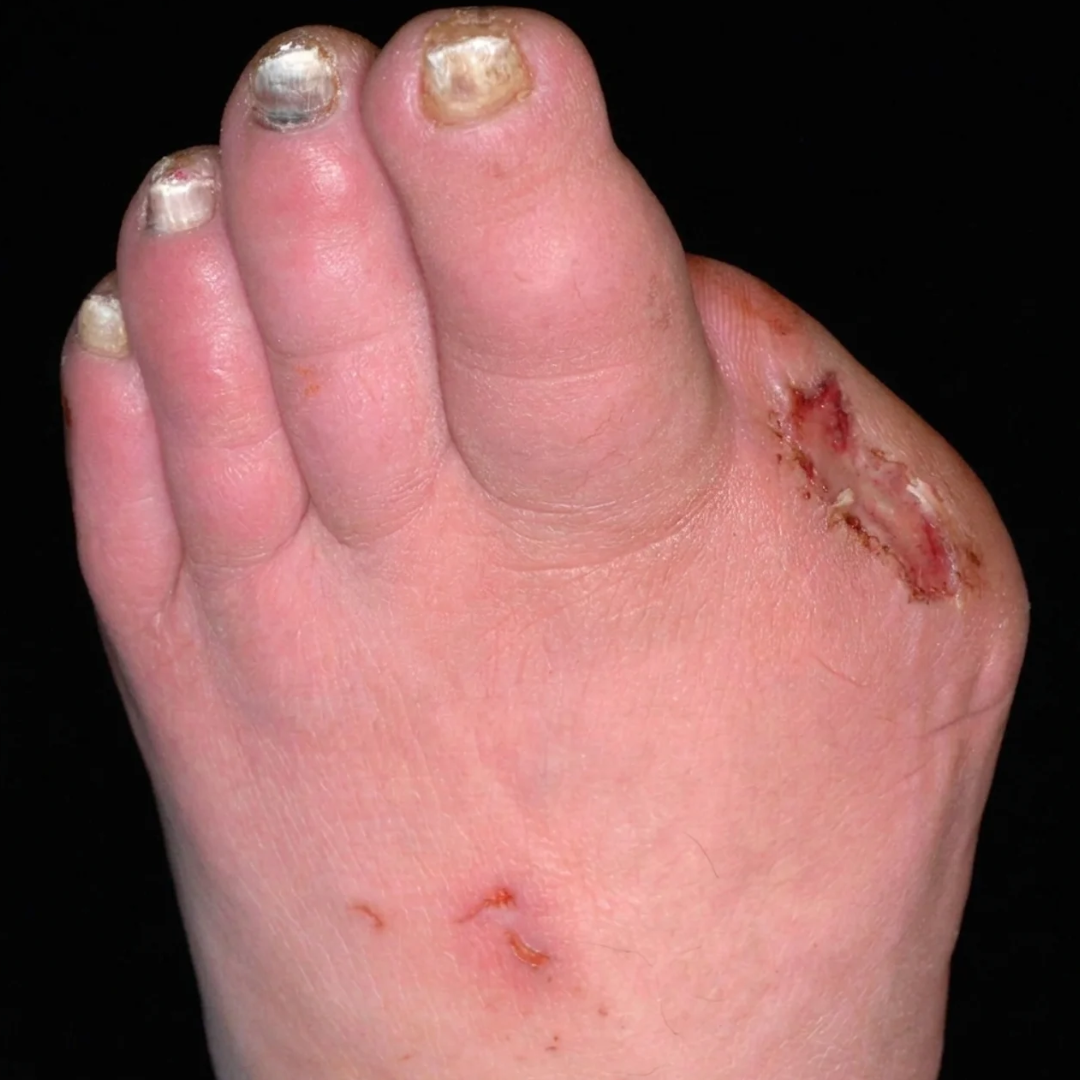
I'm a nephrologist. And I don't care how many miles you're walking. I don't care how many pounds you've dropped on your endocrinologist's diet plan. I don't care that your A1C is 6.5. If you are a Type 2 diabetic on metformin, a blood pressure pill, and a statin, working out is not going to protect your kidneys. I have watched too many patients do everything right and walk into stage 3 anyway. That's why I ask every new patient the same two questions before I even look at their labs. Question 1. Have you noticed foam in your urine? Question 2. Have your ankles been swelling? If you can answer yes to either one, I need you to read this before your next appointment. Most patients have to think about the foam. Some say yes, but they thought it was the soap. Some say they've seen it for a year and thought it was dehydration. When they say yes, I know their filters are already leaking protein. Most patients answer yes to the ankles faster. Their GP or their cardiologist has already noticed. Water pill prescribed. Elevate your legs at night. Wear compression socks. When I hear that, I know two things. The ankle swelling has been dismissed as circulation for years. And the water pill has been masking the sign while the actual damage kept building. Here is what most diabetics do not realize. Your A1C is a 90-day average of glucose floating in your blood. That is all it measures. It does not see the tiny capillaries threading through your kidney tissue. It does not see the small vessels feeding the nerves in your feet. It does not see how much fluid is backing up because your filters can no longer hold protein where it belongs. It reads the level of the flood. Not where the flood is going. When blood sugar stays elevated — even at a level your doctor calls managed — it creates sustained pressure on the tiny filters inside your kidneys. These filters are called glomeruli. They have been under pressure from circulating glucose for years. They start to fail. Protein leaks out. It shows up in your urine as foam. Fluid backs up because the kidneys are no longer regulating volume the way they were designed to. That is what makes your ankles swell. That foam is not a warning sign that something might happen. It is evidence that something has been happening for years. The swelling is not a circulation problem. It is a filtration problem. And here is what I want you to understand about the workouts. Every cell in your body has doors on its surface called GLUT4 transporters. Their job is to open when insulin knocks, pull glucose out of your blood, and move it inside the cell where it becomes energy. In insulin resistance, those doors stop responding. Exercise opens some of the doors temporarily — but only in the muscle tissue you are actively using during the workout. The moment you sit down at your desk after the walk, those muscle doors close again. The systemic resistance — the resistance in your kidney tissue, your liver, your peripheral nerves, your eyes, your fat cells — never gets touched by the workout. You can walk 10,000 steps a day and the glucose in your blood is still circulating through your kidney filters twenty hours out of twenty-four. Grinding. Every heartbeat. Every meal. I have watched this pattern for eighteen years. Patients come in with A1Cs under 7. They walk. They swim. They cut carbs. They follow every instruction their endocrinologist writes down. Their weight is under control. And their creatinine climbs anyway. Their GFR drops anyway. Their ankles swell anyway. Because none of it is aimed at what is actually happening. Now think about your medications. Metformin works on the input side of the problem. It tells your liver to produce less glucose overnight. It reduces the flood. But it does not touch the doors. The glucose that remains in your blood at whatever managed level your A1C reads keeps circulating. Keeps passing through your kidney capillaries. Keeps grinding the pipe walls thinner, grain by grain, like fine sand moving through a water pipe. It makes no sound. It just wears the filters down until the pipe starts to fail in ways you cannot see from the outside. Lisinopril manages the pressure inside vessels that are already stiffening from years of glucose exposure. It doesn't repair the arterial wall. Doesn't repair the vessels feeding your kidney filters either. Atorvastatin reduces the cholesterol your insulin-resistant liver is overproducing. It manages the LDL number. It doesn't fix the resistance driving the overproduction. The water pill your GP added for the ankles reduces the visible swelling. It doesn't address why your kidneys are letting fluid back up in the first place. Three managed numbers. Four prescriptions. Zero drainage protection. I had a patient last year who proved this to me in the worst possible way. Type 2 diabetic for eleven years. A1C 6.6. On metformin, lisinopril, and atorvastatin. She walked four miles a day. Weight under control. Followed every instruction I gave her at intake. When she came to me for a follow-up her protein spillage had climbed to 420 milligrams. GFR had dropped to 46. Stage 3B. Ankles swollen enough that her shoes had stopped fitting. Her numbers were managed. Her kidneys were not. I told her what I always tell patients at that point. Cut sodium. Reduce the workout intensity because the extra circulating protein was straining the filters further. We may need to add an SGLT2 inhibitor. She nodded. She left. Three months later she came back. Her GFR was 55. Her protein spillage had dropped to 190. Her ankles were down. Her fasting glucose had gone from 138 to 104. I looked at her chart. Looked at her. What did you change? She reached into her purse and set a bag on my desk. Ceylon cinnamon. Concentrated extract. 7,200mg equivalent per softgel. Suspended in MCT oil. Called Metabolae. I picked it up the way I pick up anything a patient brings me. Skeptically. Read the label. Set it down. Told her I was glad her numbers had improved and that we would continue monitoring. That night I could not stop thinking about the GFR. GFR does not move like that. Not in three months. Not without a significant intervention. Not in a patient who had been declining for two years. At 11:30 PM I started reading. And here is what stopped me cold, sitting in my home office with eighteen years of nephrology behind me. The research on how to open those doors exists. It has been published. Peer-reviewed. Cited by the ADA's own journals. Sitting in databases that a fifteen-minute appointment leaves no time to read. There is a specific compound in real Ceylon cinnamon called MHCP. Methyl-Hydroxy-Chalcone-Polymer. It triggers GLUT4 transporters directly at the cell surface. It bypasses the broken insulin signal entirely. It goes to the door, turns the same lock insulin was supposed to turn, and opens it. Glucose moves out of the bloodstream and into the cell where it becomes energy. And there is a second compound. Cinnamaldehyde. The compound that gives cinnamon its smell. It shuts down NLRP3 — the master inflammatory switch driving damage in every small vessel in your body. Including the vessels feeding your kidney filters. Two compounds. From one plant. One opens the doors. The other reduces the inflammation eroding your filter walls. The workouts cannot do this. The three drugs cannot do this. The diet plan cannot do this. But there is a reason the cinnamon on your kitchen shelf and the cinnamon capsules on Amazon do nothing either. There are three failure points on almost every cinnamon supplement being sold. Most fail on all three at once. Species. What most bottles labeled cinnamon actually contain is Cassia, a completely different plant grown mostly in China and Vietnam. Cassia contains almost none of the MHCP that opens the doors. Worse, it contains up to 250 times more coumarin than Ceylon — a compound that stresses the liver at daily supplement doses. If your liver is already under metabolic stress, Cassia adds to it. Dose. The clinical research showing meaningful blood sugar and kidney benefits uses concentrated Ceylon extract equivalent to 7,200 milligrams of raw bark daily. Most capsules on the shelf contain 500 to 1,500 milligrams of dry powder. Decorative amounts. Delivery. MHCP and cinnamaldehyde are fat-soluble compounds. They need a fat carrier to cross the intestinal wall and enter your bloodstream. Dry powder in a capsule has no fat. The compounds reach your gut, find no carrier, and pass through your body without ever absorbing. Wrong species. Wrong dose. Wrong delivery. Three failure points at once. Metabolae is a 12 to 1 concentrated extract of true Ceylon cinnamon — Cinnamomum verum, DNA-verified from Sri Lanka. Dosed at 7,200 milligrams raw equivalent per softgel, matching the clinical research. Suspended in MCT oil so the compounds actually absorb. Third-party tested per batch. GMP-certified. One softgel with breakfast. That is the whole protocol. I have been recommending it to my patients for eight months. The pattern I see now is consistent enough that I have stopped being surprised. Week one, patients tell me their sleep comes back. Better afternoon energy. The 2 PM wall they had been drinking coffee through gets softer. Week two to three, the foam in their toilet starts to fade. Ankles start to come down. Week four to six, fasting glucose drops noticeably. Week eight to twelve, they come back for their follow-up panel and their creatinine has dropped, their GFR has climbed, their A1C has moved into a range I have not seen on their charts in years. I have watched patients come off water pills because their ankles stopped swelling. Patients come off statins because their LDL dropped without the drug. Patients get their lisinopril dose reduced because their blood pressure normalized on its own. Every one of them was on the same three-drug stack you are on. Every one of them had been doing everything their doctors told them to do. None of it was aimed at what was actually happening. I am not anti-medication. If your treatment is working and your numbers are actually improving instead of just managed, keep taking it. But if you are a Type 2 diabetic on metformin, a blood pressure pill, and a statin, and your creatinine has been climbing behind three managed numbers, and your ankles have been swelling, and your endocrinologist keeps telling you to work out harder — you deserve to know that a broken system underneath all of it has never been touched. The doors have to open. Nothing else stops what is happening to your filters. Buy two, get one free. 90-day money-back guarantee. If your foam doesn't clear, if your ankles don't come down, if your fasting glucose doesn't drop, if your creatinine doesn't respond at your next panel — send back what's left and get every dollar back. Take one softgel with breakfast. Most patients notice better sleep in the first week. Ankles start responding in weeks two to three. Fasting glucose drops in weeks two to four. Creatinine and GFR shifts show up at your next panel around eight to twelve weeks. Give it ninety days. See what happens to the foam. See what happens to your ankles. See what happens to your kidneys. The damage you prevent today is the dialysis chair you avoid tomorrow. Every day those doors stay closed, more glucose passes through your filters. Every day another gram of protein leaks into a toilet that should be running clear. Every day another day of fluid backs up into ankles that should be flat. If you have foam right now, your kidneys are leaking right now. Working out will not stop it. The doors will. ~ Dr. Matthew Walker, MD, Nephrology, 18 years
Where the ad sends people
metabolae.com
Ceylon Cinnamon 7200mg Equivalent with MCT Oil
Metabolae
Learn more: metabolae.com(opens in a new tab)