
Inactive· since Jun 4, 2026
- 20
- days it ran
- 0
- relaunches
Ad copy
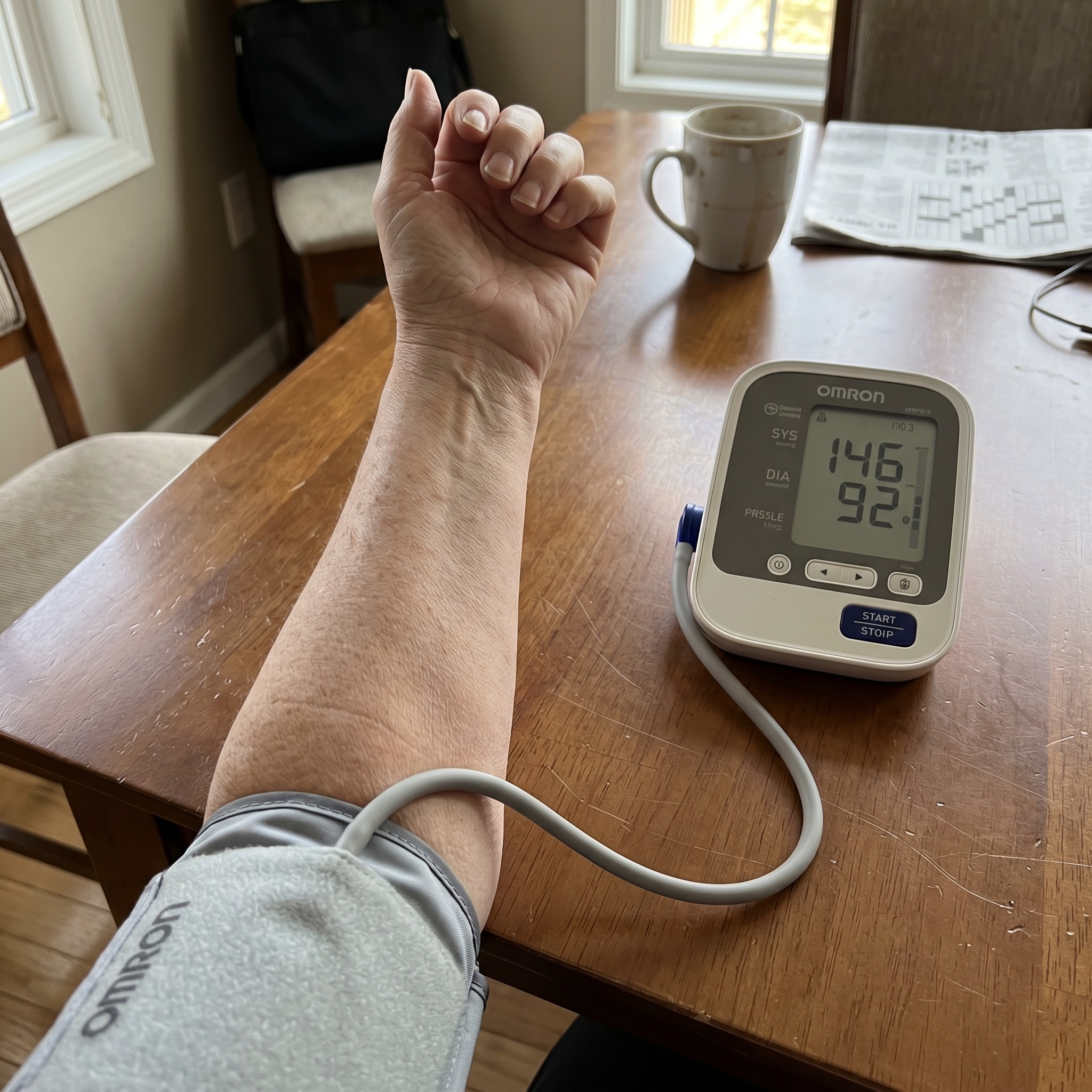
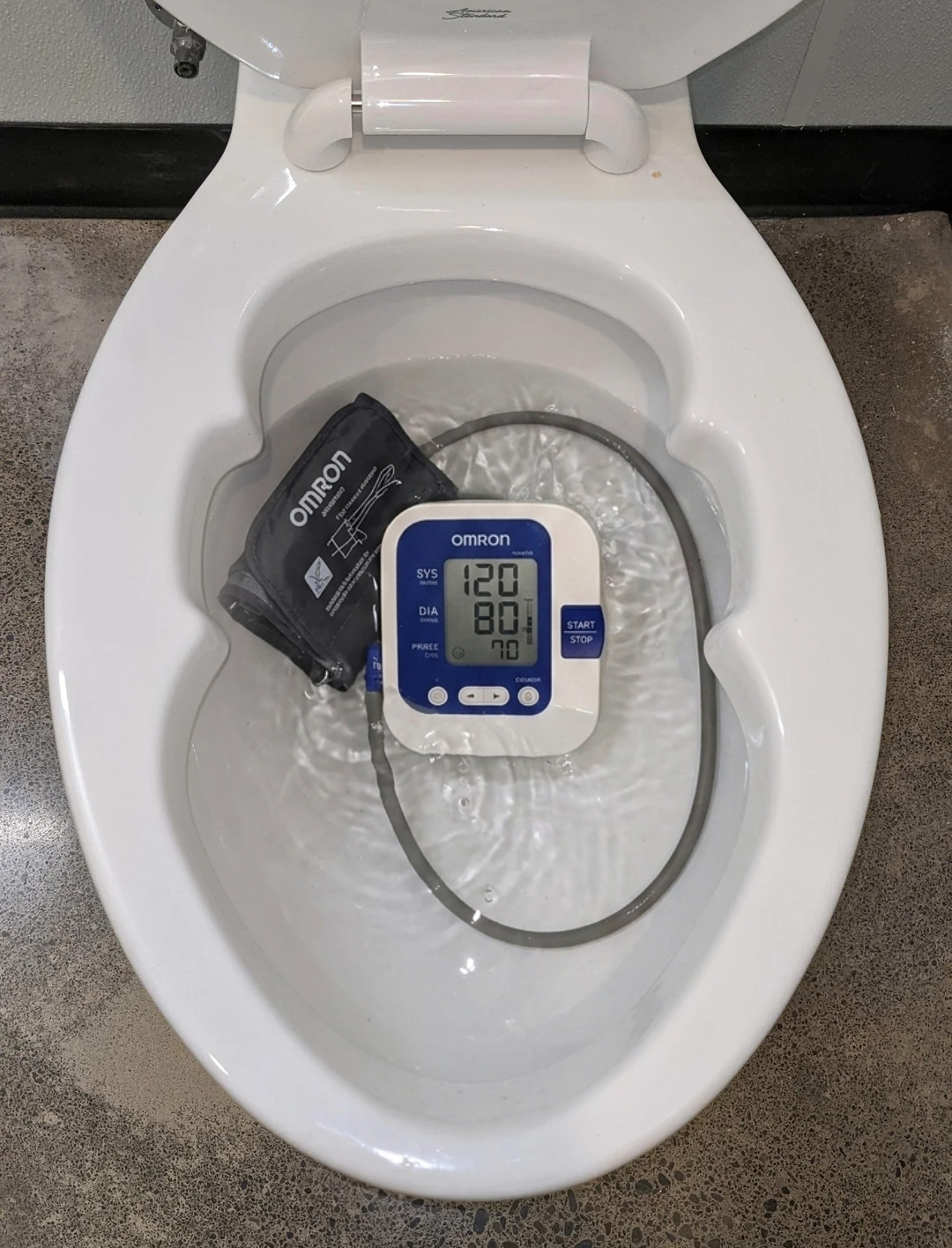
I'm a nurse and I've been administering Lisinopril for 19 years, but last month I refused to take it myself. I want to explain why. Because there's a sentence I've been legally unable to say in my professional capacity for almost two decades. And until three months ago, I kept my mouth shut. I'm not keeping it shut anymore. My name is Laura. I work nights in the ICU at a hospital I'm not going to name. 19 years on the same floor. I've held the hand of more dying people than I can count. Most of them were on a blood pressure medication. Most of them had "perfectly controlled" numbers in their chart. That's the part that broke me eventually. I just didn't know it yet. Here's what my job looks like. A patient gets admitted with a stroke or a cardiac event or kidney failure. I pull up their chart. Blood pressure 128 over 78. Reading after reading after reading. They've been on Lisinopril or Amlodipine or Losartan for eight, ten, twelve years. Their numbers look textbook. And they're laying in front of me having a stroke anyway. The first few times it happens you tell yourself it's bad luck. Or genetics. Or the patient cheated on their diet. By year five you stop telling yourself stories. By year ten you start counting. I started counting in 2019. I keep a number in my head now. I'm not going to share it because it would sound like I'm making it up. Just trust me when I say it's a lot of people. A lot of grandparents. A lot of fathers. A lot of men and women in their fifties, sixties, seventies, all who thought they were doing everything right. All of them on a blood pressure pill. All of them with "controlled" numbers. All of them having strokes anyway. And I never said anything. I want to be honest about that. Because you might be reading this thinking I'm some kind of whistleblower hero. I'm not. I'm a nurse who took an oath, who has a license to protect, who has a mortgage to pay, and who has been told for 19 years that if I question a doctor's prescription out loud in front of a patient I will lose all three. That's not a metaphor. That's a real rule. When a doctor writes a script for Lisinopril, my job is to hand it to the patient and explain how to take it. If the patient asks me "do you think this will help?" I'm allowed to say "your doctor knows best." I'm not allowed to say what I actually think. I'm not allowed to mention what I've seen. I'm not allowed to tell them about the chart from last Tuesday where the same drug they're about to start was already failing somebody else. If I do, I'm out of a job. Possibly out of a career. So I learned to nod. To smile. To explain the dosing schedule. To go home and try to forget. And then I'd come back the next shift and do it again. That was the deal I made for 19 years. Three months ago the deal blew up. I had my annual physical. Routine bloodwork and vitals. I'm 54, I exercise four days a week, I cook most of my own food, I haven't been overweight a day in my adult life. I wasn't worried about anything. The blood pressure cuff inflated. The medical assistant frowned. She did it again on the other arm. 152 over 94. I read the number on the printout twice. Then I read it again. Then I sat in my car in the parking lot for almost an hour because I knew exactly what was coming next. Two days later my primary care doctor called me. "Laura, your blood pressure is concerning. I'd like to start you on a low dose Lisinopril. We can talk about it at your follow-up but I'm sending the prescription to your pharmacy today." He didn't ask. He told. 19 years of nodding and smiling collapsed in about four seconds. I drove home from work that night and I sat at my kitchen table and I cried. Not because I was scared of high blood pressure. Because I knew I was about to walk into the same machine I'd been feeding patients into for almost two decades. And that machine doesn't work. I have spent 19 years watching it not work. I let the prescription sit at the pharmacy. I didn't pick it up. I told my husband I needed a week to think about it. He's a paramedic. He's seen the same things I've seen. He didn't argue. That week is when everything changed for me. I started doing what I'd never let myself do as a working nurse. I started actually reading. Not the drug company pamphlets. Not the guidelines. The original studies. The stuff buried in the back of medical journals. The research nobody hands you on the floor because it complicates the story you're being paid to tell. And I learned something that I now cannot believe I didn't know. The number on the blood pressure cuff was never the thing that was going to kill you. I want to say that again because it took me a week to actually accept it. The number on the cuff was never the thing that was going to kill you. It was never the thing killing my patients either. Here's what's actually happening. Your blood vessels aren't just tubes. They're living tissue. And the inside of every blood vessel in your body is lined with a thin inner wall. A layer of living cells. That wall is supposed to do one job every second of every day. It's supposed to produce a molecule called nitric oxide. Nitric oxide is your body's natural signal that tells your blood vessels to relax. When the wall is healthy and producing nitric oxide, your vessels open and close smoothly with every heartbeat. Blood flows through without resistance. Pressure stays balanced. You don't think about it the same way you don't think about breathing. It just works. Your body has been doing this on its own your entire life. You don't need a pill for it. But that inner wall is exposed to everything in your blood. Every bit of processed food you've eaten. Every blood sugar spike. Every stress hormone. Every chemical, every toxin, every year of inflammation. It all flows right across that wall, scraping against it, hour after hour, day after day, year after year. And over time it wears the wall down. Roughens it. Damages it. Like the inside of an old pipe that's been corroding for decades. The surface that was once smooth is now raw and pitted. A damaged wall can't make nitric oxide. Not enough of it anyway. Without nitric oxide, your vessels don't get the signal to relax. They stay tight. Blood has to force its way through. The harder it has to force, the higher the number on the cuff climbs. And here is the part that broke my brain when I read it. The harder blood pushes through a tight vessel, the more it damages the wall. More damage means less nitric oxide. Less nitric oxide means tighter vessels. Tighter vessels mean more pressure. More pressure means more damage. A cycle that feeds itself. The longer it runs, the higher the number climbs and the harder it is to bring down. That's why your number won't come down. Now I'm going to tell you what blood pressure medications actually do, because I had to sit with this myself before I could believe it. Lisinopril blocks an enzyme called ACE so your vessels can't constrict the way they're being told to. Amlodipine blocks the calcium channels in the muscle around your vessels so they can't squeeze. Losartan blocks the receptors that tell vessels to tighten. Different drugs. Same trick. They force the vessels open by chemically overriding the controls your body uses to regulate them. The number on the cuff drops. Your doctor says great. Insurance is happy. The chart looks beautiful. But the wall that's supposed to be producing nitric oxide? Still damaged. Still corroding. Still not making the molecule your body needs. The drug never touches the wall. It just forces open vessels with a broken wall underneath. Forcing the vessels open doesn't fix the cycle. It just hides it. That's why my patients kept showing up in hospital with perfect numbers and failing brains and hearts and kidneys. The medication did exactly what it was advertised to do. It lowered the number. The number was never the problem. The wall was the problem. And no blood pressure drug on the market is built to support the wall itself. And it gets worse. Because that ACE enzyme Lisinopril blocks doesn't just control blood vessel constriction. It controls fluid balance. It breaks down a substance called bradykinin that builds up in your lungs and throat. That's the dry hacking cough that wakes patients up at 3 AM. That's the swollen ankles. The thick tongue. The numbness around the mouth that people on Lisinopril keep coming in for and getting sent home with "it's normal, your body will adjust." Amlodipine? It works on calcium channels everywhere in your body. Not just the vessels. That's the swollen ankles people can't fit their shoes around. The flushing. The pounding heart at night. The bone-deep exhaustion that hits at 2 PM and never lifts. Losartan? It changes how your kidneys handle potassium. That's the muscle cramps. The fatigue. The dizziness when you stand up from a chair. That's not aging. That's the drug. I have charted those complaints for 19 years. I have watched doctor after doctor write "common side effect, benefits outweigh risks" and move on. I have watched patients be told their cough was "in their head." That the swollen ankles were "just getting older." That the brain fog was "normal for your age." They weren't imagining it. They were having their body's own controls chemically overridden by a drug that never touched the wall that was actually broken. After 19 years of watching it, I have an opinion. I'll keep it professional. But I have one. That week at my kitchen table, I went looking for the alternative. I'd seen the rest of the menu fail too. Garlic thins the blood a little so it flows with less resistance. Doesn't touch the wall. Magnesium relaxes the muscle around the vessel from the outside. Doesn't reach the wall inside. Fish oil reduces inflammation floating in your blood. But it can't repair the structural damage that's already been done to the wall itself. Then there's beetroot. I'll admit I was hopeful about this one because the studies looked clean. Beetroot adds nitric oxide from the outside. And on the surface that sounds smart. If your wall isn't producing enough nitric oxide, just add more, right? Except your body already makes nitric oxide. It always has. The problem was never a shortage you could fix by swallowing more from a bottle. The problem is the wall that produces it is damaged. Adding more nitric oxide to a system with a broken wall is like pouring more water into a bucket with a hole in the bottom. Doesn't matter how much you pour in. The bucket is broken. I've watched patients try every one of those. They felt a little better for a few weeks. The number came down a few points. Then it crept right back up. Every single one works around the wall. None of them repair the wall. I was about to give up and pick up the prescription when I found a study from the Indian Council of Medical Research. Then another from the Journal of Ethnopharmacology. Then a 2020 review pulling them all together. They were all about a superfruit called Amla. Gooseberry. I'd never heard of it. Most American clinicians haven't. It's not on the cardiology board exam. It's not in the medical guidelines. It barely shows up on the supplement aisle at Walgreens. But Himalayan healers have been using it for over five thousand years. They called it "the nurse." It was the remedy they reached for when somebody's body was breaking down from the inside. When circulation was failing. When the body was corroding from within. And modern science finally figured out why it worked. Amla contains specific compounds called emblicanins. They're a class of antioxidant found almost nowhere else in nature. When researchers tested the antioxidant strength of over a thousand foods, Amla ranked at the top. Higher than blueberries. Higher than green tea. Higher than turmeric. And it wasn't even close. Here's what emblicanins do. They go into your bloodstream and they neutralize the free radicals that have been scraping against your inner wall for years. Not in your gut like garlic. Not in the muscle around the vessel like magnesium. Not floating loose in the blood like fish oil. Directly on the inner wall itself. Where the actual damage is happening. When the assault stops, the wall gets a chance to recover. The raw, stressed surface that hadn't been able to do its job in years starts functioning the way it's supposed to. The same way a cut on your skin heals once you stop picking at it. And when the wall heals, something happens that no medication and no supplement on the shelf has ever been able to do. It starts producing nitric oxide again. On its own. The way it did when you were younger. Your body's own natural signal that tells your blood vessels to relax. The same molecule that beetroot tried to replace from the outside. Your wall starts making it again from the inside. You didn't need more nitric oxide from a bottle. You needed to fix the wall that produces it. When nitric oxide production comes back, your vessels relax on their own. Not because a drug is forcing them open. Not because a supplement is dumping signal into a system that has nowhere to land it. Your vessels open because the wall is working again and telling them to open. The way the system was designed. When the vessels relax, the blood flows through without forcing. Your heart doesn't have to push as hard. The pressure on the walls drops. And when the pressure drops, the wall stops getting shredded. The cycle finally breaks. Then I found the study that made me close my laptop and sit there for ten minutes staring at the wall. Researchers tested standardized Amla extract against one of the most widely prescribed cardiovascular drugs in the world. The Amla matched it. Systolic blood pressure dropped. Inflammation markers declined. Cholesterol markers improved. And the participants didn't see the cough, the swollen ankles, the brain fog, or the dizziness I've been documenting in my charts for 19 years. A superfruit extract. Tested alongside the kind of prescription sitting in my pharmacy. And the results landed in the same range. I sat at my kitchen table thinking about every patient I'd held the hand of in the ICU. Every grandfather who had a stroke at 67 with "well controlled" numbers. Every mother of three who came in with kidney failure. Every grandmother who had eight, ten, twelve years on Amlodipine and still lost half her field of vision overnight. The thing that could have actually supported them at the level the damage was happening has existed the entire time. And nobody told them. Nobody. That was the moment I stopped being a quiet nurse. I did what nurses do before we trust something. I checked the product. Because not all Amla is the same. Most of what you'll find online is cheap fruit powder with degraded compounds and no third party testing. Some is contaminated with heavy metals from poor sourcing. Some uses fillers. Some is heat processed, which destroys the emblicanins that make it work in the first place. The difference between raw Amla powder and a properly standardized extract is the difference between chewing willow bark and taking an aspirin. One is the plant. The other is the concentrated, verified compound that actually produces the result. I went with Alevia's Amla. Organic. Third party tested. Made in the USA. Small batch production to preserve the active compounds. No fillers. No heat processing. The kind of standardization the clinical trials used. Two capsules every morning. With water. Before my shift. I never picked the Lisinopril up from the pharmacy. I want to be honest about what the first few days felt like. It wasn't anything. No buzz. No surge. Amla isn't caffeine. It doesn't announce itself. It works on the inner wall where the damage actually is, and that takes time to show up anywhere you can measure. So I just took my two capsules with water before my shift. Drove to work. Did my rounds. Came home. Took them again the next morning. Then the small things started. End of week one. I drove home from a 12 hour overnight on a Saturday morning and I didn't fall asleep at a red light on the way. I'd been micro-sleeping at red lights on the drive home for the better part of a decade. That morning I just drove home awake. Week two. My husband looked at me over his coffee and said "your face looks different. Less puffy. Like you slept better than you actually slept." I hadn't slept better. I hadn't changed anything except the two capsules. That's the first phase. The emblicanins start neutralizing the free radicals attacking your inner wall. The wall stops getting shredded for the first time in years. You don't feel the chemistry. You feel the noise lifting. Week three. I went up the hospital stairs two at a time the way I always have, got to the top, and wasn't out of breath. I'd been telling myself the breathlessness on the stairs was "just being 54." It wasn't. It was vessels that hadn't relaxed properly in years finally letting blood through. Week four. I started waking up before my alarm without that lead-in-the-arms feeling nurses know. The bone heavy tired that never fully leaves. It was just gone. That's the second phase. The wall is starting to heal. Nitric oxide production is coming back. Vessels are relaxing on their own for the first time in years. Week six I took my own blood pressure at home. I'd been checking it every morning since I refused the script. Sitting on the edge of the bed. Cuff on the left arm. Same time every day. 132 over 84. Down from 152 over 94. 20 points off the systolic in six weeks. And I never picked up the prescription. I sat there holding the cuff in my lap and I started crying. Not because of the number. Because of every patient. Every chart with "controlled" numbers and a stroke anyway. The thing that would have actually helped them was a fruit extract. And nobody had told them. That's the third phase. The number actually moves. Not because you forced something. Because your body's own controls are working again. I had my follow-up with my doctor at week 11. 128 over 79. My primary care doctor took the reading twice. Then he sat down on his stool and looked at me. "Laura, did you start the Lisinopril?" "No." Four seconds of silence. I've been a nurse long enough to know what that silence means. A doctor recalibrating in real time. "What did you do?" I told him. The studies on the endothelial wall. Emblicanins. The clinical trial against Simvastatin. The fact that the number was never the actual problem. I talked for 15 minutes. He didn't interrupt once. He was quiet for a long time. Then he said "I don't know much about Amla. But your numbers have come down significantly. Let's keep monitoring and talk again at your next visit." 19 years of biting my tongue. And my own doctor just said the words I'd been waiting to hear my entire career. I held it together until I got to my car. Then I sat in the parking lot and cried. That's the fourth phase. Long term. The emblicanins keep working. The wall keeps getting the support it needs. The cycle stays broken. Your numbers don't just come down once. They stay where they're supposed to be. Without a single milligram of a drug that was going to give you a cough at 3 AM and ankles you can't fit your shoes around. I cried because I was off the hook. I cried because every patient I'd held the hand of in the ICU should have been off the hook too. I cried because the answer was a fruit. And nobody had told them. That's why I'm writing this. I'm writing this because I cannot keep doing this anymore. I cannot keep nodding and smiling and handing out prescriptions to people whose only "crime" was trusting their doctor to give them the full picture. I cannot keep watching ICU admissions on patients with "controlled" numbers and saying nothing. If you have high blood pressure and your doctor is reaching for the prescription pad, I want you to read this twice. Your number is not the thing that's going to hurt you. The damage to the inner wall of your blood vessels is the thing that's going to hurt you. And there is no blood pressure pill on the market that's built to support that wall. They force the vessels open. The wall keeps corroding underneath. If you're already on a blood pressure pill and you're feeling the cough, the swollen ankles, the brain fog, the exhaustion that wasn't there before, you're not imagining it. You're not aging at warp speed. The drug is doing exactly what it's designed to do, and what it's designed to do has costs your doctor has been told to call "manageable." If you've tried beetroot, garlic, magnesium, fish oil, hibiscus tea, the whole supplement aisle, and your number isn't moving, that's because none of them repair the wall. They were never built to. Alevia's Amla. 2 capsules every morning. Its compounds reach the inner wall of your blood vessels where the damage actually starts. That's the level your body needs support at. Nothing else on the supplement aisle is built to reach it. Alevia offers a 90 day money back guarantee. If your numbers don't move, you get a full refund. No questions asked. In 19 years of nursing I have never seen a pharmaceutical company offer to give your money back if their drug doesn't work. Think about that for a second. Alevia is a small company. They produce in small batches to keep the potency intact, which means they sell out regularly. If you have a doctor's appointment coming up in the next 30 to 60 days and you want to give your body the support it needs before that visit, check availability now. Don't wait. Every day the cycle keeps running is another day closer to the prescription your doctor is already planning to write. 👉 https://alevia.com/amla/8 You still have time. You don't have to be the chart I read at 3 AM with the perfect numbers and the failing heart. ~ Laura Peterson, RN, ICU, 19 years P.S. I want to be clear about something. I'm not telling you to stop your blood pressure medication if you're on one. That conversation is between you and your doctor. What I am telling you is that those drugs only force the vessels open. They don't support the wall where the damage is actually happening. If you want to give your body a real chance to break that cycle, you need something that works on the wall itself. That's what I added. That's what changed my numbers. That's why I'm writing this when 19 years of training tells me to stay quiet. P.P.S. The 90 day guarantee is the part I keep coming back to. I have handed out thousands of prescriptions in my career. None of them came with "if this doesn't work we'll give you your money back." Not one. Whatever you decide, that detail is worth thinking about. 👉 https://alevia.com/amla/8
Like this ad? Make it yours.
Crush rebuilds this exact creative around your product — your brand, your colors, your offer — in about a minute.