Dr. Matthew Walker
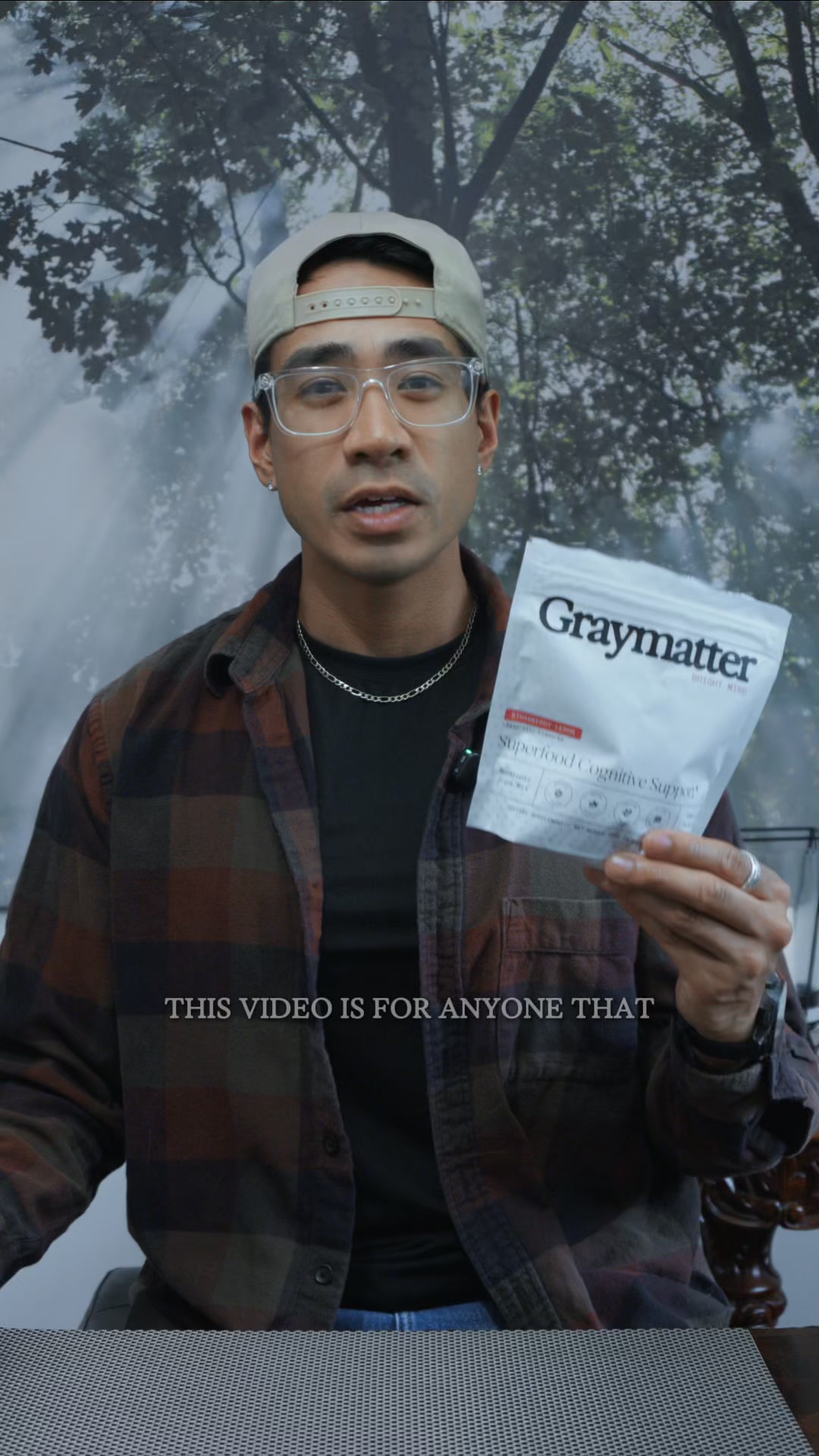
Dr. Matthew Walker Facebook ad: “Ceylon Cinnamon 7200mg Equivalent with MCT Oil”

Ran for 16 days, from July 16 to August 1, 2026, the last day Crush saw it.
Run by Dr. Matthew Walker on Facebook. Crush is not the advertiser and does not verify its claims. See this ad in Meta's Ad Library(opens in a new tab)
Want an ad like this for your product?
Crush makes new ad images for your product from this ad: your logo, your product photo, your offer.
Trials from $19.95 USD, then $79.95 USD a month. Cancel anytime.
About this ad
- Meta Ad Library ID
- 1980276072617028
- Platforms
- Facebook, Instagram, Audience Network, Messenger and Threads
- Relaunches
- 0
Ad text
I've performed 847 heart transplants. When I remove a failing heart, I hold it in my hands. I see exactly what killed it. And it's not what most cardiologists are trained to look for. I've been a cardiac surgeon for 27 years. I've removed hearts from patients who were managed perfectly on paper. Lisinopril. Metoprolol. Amlodipine. A1C of 6.1. Blood pressure "controlled." Their cardiologists documented everything correctly. Their hearts told a completely different story. The arteries surrounding those hearts were rock hard. Thick walls. Rigid vessels. The inner lining scarred and stiff in ways that medication cannot reverse. The heart muscle itself exhausted from years of pushing against pipes that stopped cooperating long before the patient ever arrived on my table. Last year, I removed the heart of a 61-year-old man. He'd been on blood pressure medication for 14 years. His chart said: well-controlled. His coronary arteries looked like they'd been turned to stone. But here is what has quietly haunted me for years. I also see the hearts that don't fail. When organ donors arrive — people who died from accidents, not from chronic disease — their hearts are completely different. Soft arteries. Flexible vessels. The inner lining smooth and intact. Even at 68. Even at 73. I started asking families: what did this person's blood sugar look like? Did they have metabolic issues? Were they ever on medication? A pattern emerged faster than I expected. The healthy hearts almost never came from people with long-term blood sugar problems. The failing hearts almost always did. That observation walked out of the OR with me every single day. I'm 58. Three years ago, my own A1C sat at 5.9. Fasting glucose at 108. My blood pressure had climbed from 122 to 141 over two years without a clear reason. I prescribe Lisinopril to patients who look exactly like me every week of my life. I had never stopped to ask: why is the blood pressure climbing in the first place? Then a colleague — a vascular research biochemist — handed me a paper that changed how I looked at every heart I had ever held. The research wasn't obscure. It just wasn't in my training. When insulin resistance begins — the kind that doesn't register as diabetes yet, the kind sitting quietly at an A1C of 5.8 or 6.0 — glucose stays elevated in the bloodstream longer than it should after meals. That sugar-saturated blood moves through the arteries continuously. The endothelium — the smooth inner lining of the arterial wall — inflames. Oxidative stress builds. NF-kB, the body's master inflammation switch, activates and sends inflammatory proteins into the arterial wall itself. The wall thickens. It stiffens. It loses the flexibility that normally allows it to expand and contract with each heartbeat. The heart has to push harder against vessels that no longer give way. That is where elevated blood pressure comes from in metabolic patients. Not salt alone. Not stress alone. Not genetics alone. The arterial wall is being stiffened from the inside by sustained glucose exposure — and the heart compensates by generating more force to move blood through vessels that stopped cooperating. Blood pressure medication manages the force. It does not repair the wall. The glucose keeps circulating. The stiffening continues quietly. I had been watching this process from the inside of the chest cavity for 27 years without connecting it. The calcified arteries. The exhausted heart muscle. The patients who were well-controlled on paper and destroyed underneath. I wasn't looking for a supplement. I was looking for the upstream answer to a question I had never been trained to ask. My colleague mentioned a compound with a growing body of literature behind it. True Ceylon cinnamon. Not the common grocery store variety. Cinnamomum verum — authenticated Ceylon from Sri Lanka — studied for its potential role in supporting insulin sensitivity and glucose clearance, specifically through GLUT4 signaling pathways. The idea was straightforward: if glucose could clear the bloodstream more efficiently after meals, the sustained exposure that inflames and stiffens the arterial wall might be reduced over time. I wasn't expecting a dramatic result. I was running a clinical experiment on myself. I tried three different supplements over the next four months. A pharmacy store brand first. Six weeks. Fasting glucose unchanged at 108. Blood pressure unchanged at 140/90. A Ceylon cinnamon label from an online retailer. Five weeks. Numbers did not move. A metabolic cinnamon complex marketed as clinically supported. Six more weeks. Nothing. I was ready to close the file entirely. My colleague stopped me cold. "I ran those labels. Two of the three you've been taking are Cassia cinnamon — not Ceylon. Completely different species. Different compound profile. The research on glucose transport and GLUT4 signaling is specific to Cinnamomum verum from Sri Lanka. And the one that actually contains real Ceylon? The active compounds are fat-soluble. In a dry capsule with no lipid carrier, most of what you swallowed passed through before your body could use any of it. Four months. Three brands. Wrong species. Wrong delivery system. You've been testing packaging, not active ingredients." She pulled up one product she said she would actually stand behind. Metabolae Ceylon Cinnamon. Authenticated Cinnamomum verum from Sri Lanka — species verified, not mislabeled Cassia. A 12-to-1 concentrated extract suspended in MCT oil, because fat-soluble compounds require a fat carrier to absorb properly. Research suggests lipid-based delivery may increase the bioavailability of cinnamon's active compounds by up to two and a half times compared to standard dry capsule forms. Third-party tested. Certificate of Analysis published and available. Coumarin levels verified and disclosed — every batch. "This is the only one I'd trust," she said. "The rest are expensive dirt." I ordered it that night. No dramatic shift on day one. I was not expecting one. This is metabolic support, not a stimulant. What I noticed in the first week was subtle. The afternoon energy drop I had carried for years began to ease. I felt steadier after meals. Less reactive between eating. End of week one — fasting glucose: 104. Down from 108. Blood pressure that evening: 136/86. Down from 141/90. Small. But measurable. Week two: fasting glucose 101. Blood pressure 132/84. Week three: fasting glucose 98. Blood pressure 128/81. Week four: fasting glucose 95. Blood pressure 124/78. Week eight: fasting glucose 91. Blood pressure 119/76. I am 58 years old. I perform heart transplants. And for the first time in three years, my own numbers were moving in the right direction — not from a prescription, but from addressing something upstream. I am not suggesting this replaces blood pressure medication or diabetes treatment. I am a surgeon. I know what the evidence supports and what it does not. What I am saying is that for the first time in 27 years in the OR, I was asking the upstream question and finding an upstream answer. I went back and read everything my colleague had sent. The research on sustained glucose elevation and endothelial dysfunction. The data on arterial wall stiffening from prolonged metabolic stress. The studies on Ceylon cinnamon's potential role in supporting insulin signaling and glucose transport. None of it had been in my training. Not a chapter. Not a single lecture. And then I found what my colleague had already found — why four months of trying other supplements had produced nothing. Cassia sold as Ceylon. Fat-soluble compounds in dry capsules with no carrier. Species mislabeling so common that some customers had started opening capsules just to check the color and smell. Products that looked credible on the label and delivered almost nothing in the body. I reviewed Metabolae's Certificate of Analysis. Verified Ceylon species. Concentrated extract in MCT oil. Coumarin tested and published batch by batch. It was the closest match I could find to what the research actually studied. Why Metabolae worked when three other cinnamon supplements did not — from my perspective as a cardiac surgeon. True Ceylon — Not Cassia Most supplements use Cassia (Cinnamomum cassia). Cheaper. Widely available. And not the species studied in the insulin signaling and glucose transport research. Metabolae uses authenticated Cinnamomum verum from Sri Lanka. I spent four months on the wrong plant. Species is not a minor detail. It is the entire difference. 12-to-1 Extract in MCT Oil Ceylon cinnamon's active compounds are fat-soluble. Dry powder capsules absorb poorly. Metabolae delivers a 12-to-1 concentrated extract — 7,200mg equivalent — suspended in MCT oil. Research suggests lipid-based delivery may increase bioavailability by up to two and a half times versus standard dry capsule forms. That is the difference between a label claim and a dose that actually reaches the tissue. Third-Party Tested — Including Coumarin Metabolae publishes their Certificate of Analysis. Potency verified. Heavy metals screened. Coumarin tested and disclosed — something most cinnamon brands skip entirely. Cassia contains coumarin levels that are a concern with daily therapeutic use. True Ceylon has virtually none. Metabolae publishes the data batch by batch. Gradual, Trackable Progress This is not immediate. The mechanism is metabolic. In the first week: steadier energy, fewer post-meal crashes, more stable afternoons. Over two to four weeks: fasting glucose and blood pressure markers moving in a meaningful direction. Track both with a home blood pressure monitor and a glucometer. You can verify your own response — or you receive a full refund. Try Metabolae Ceylon Cinnamon for up to 90 days. Track your numbers every week. If you do not see improvement — for any reason — full refund. No questions asked. One softgel. Take it with your first meal of the day. You risk nothing. You have two paths. One: Continue managing blood pressure and blood sugar as two separate downstream problems requiring two separate prescriptions. Both numbers may stay controlled on paper. Neither addresses the arterial wall being stiffened from the inside. Two: Support the metabolic layer that those prescriptions do not directly reach. Track both numbers. Give it 90 days. Bring the data to your doctor. I spent 27 years removing hearts that looked managed on the chart and were quietly destroyed underneath. I am not going to let that be my own outcome. "I have removed 847 hearts. I know exactly what a well-medicated but metabolically unresolved patient looks like from the inside of the chest cavity. My blood pressure had been climbing for three years. My fasting glucose was sitting at 108. I tried three cinnamon supplements over four months and got nothing — because I was using the wrong species in the wrong delivery form. My colleague showed me what the research actually required and where to find a product that matched it. If your blood pressure has been creeping up and your blood sugar has been sitting in the high-normal range — do not let anyone tell you those are two completely separate, unrelated problems. After 27 years in the OR, I can tell you they are not. Track your numbers. Give it 90 days. Zero risk. The operating table does not lie. But the chart does not always show the whole story. — Dr. Matthew Walker, Cardiac Surgeon, 27 Years" P.S. — Within the first week: steadier energy and fasting glucose beginning to move. By week four: measurable blood pressure improvement. By week eight: both numbers tracking into normal range without adding a new prescription. Your timeline may be different. But the only way to know is to measure it yourself. P.P.S. — Every day of elevated glucose is another day the arterial wall is exposed to the sustained pressure that stiffens it. Another day of quiet metabolic damage building behind numbers that look managed. Another day closer to the prescription becoming the only option left. One softgel. First meal of the day. 90 days to find out.
Where the ad sends people
metabolae.com
Ceylon Cinnamon 7200mg Equivalent with MCT Oil
Metabolae
Learn more: metabolae.com(opens in a new tab)