
Active· since Mar 28, 2026
- 173
- days running
- 0
- relaunches
Ad copy
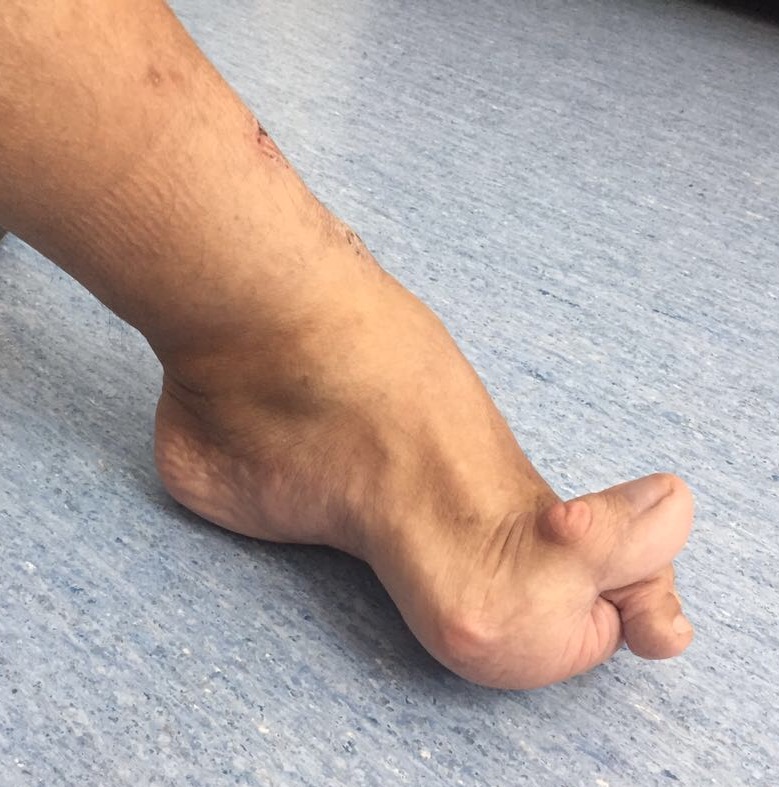
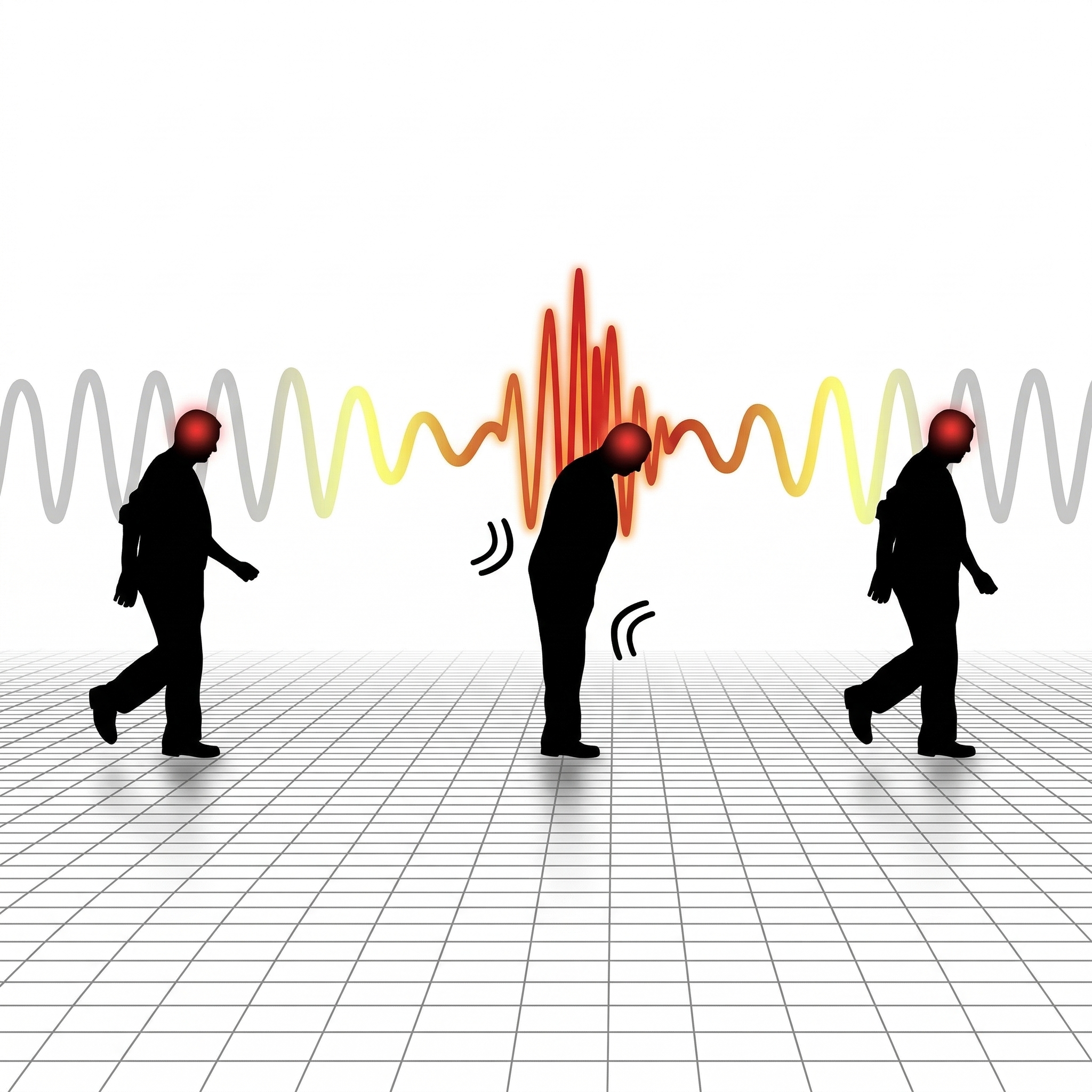
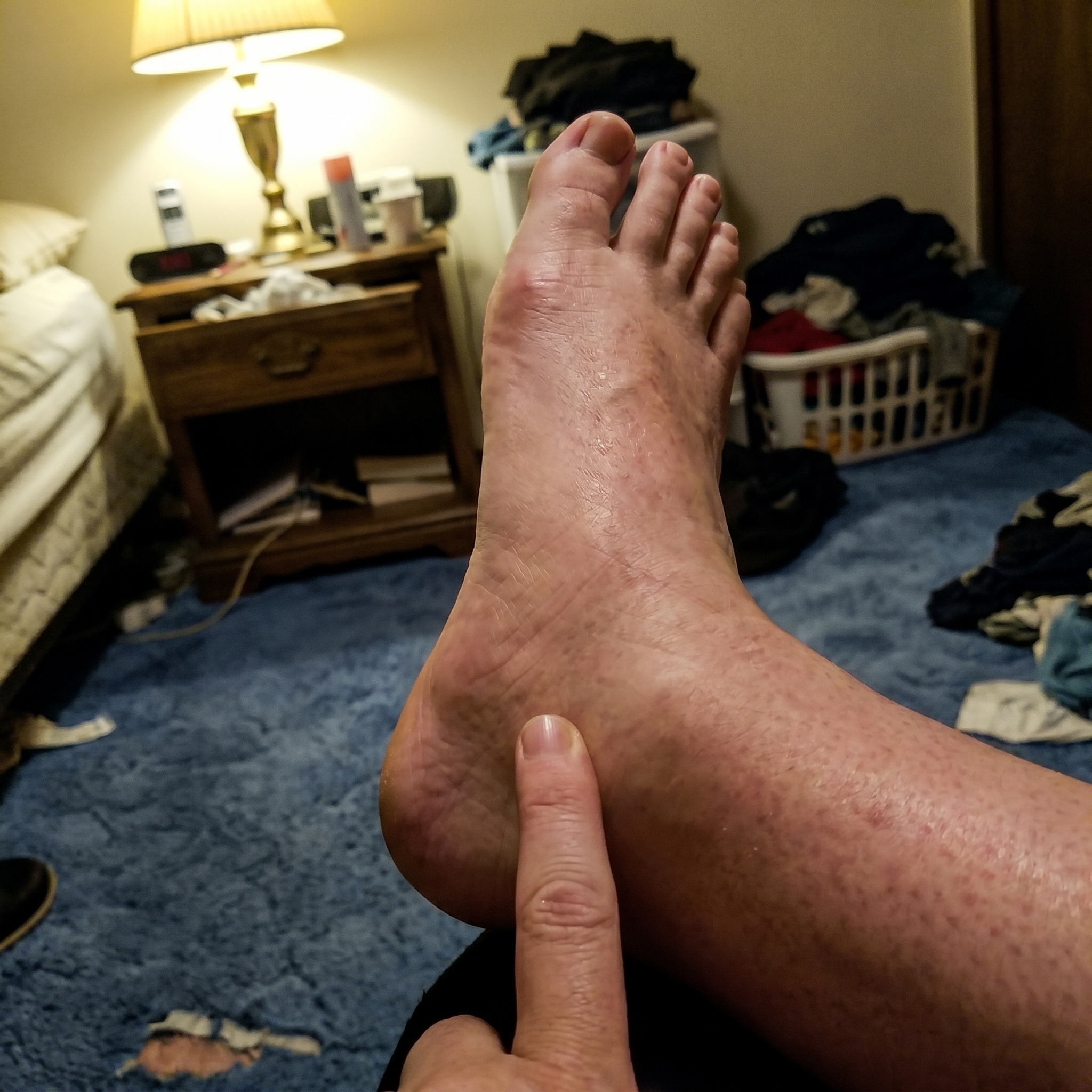
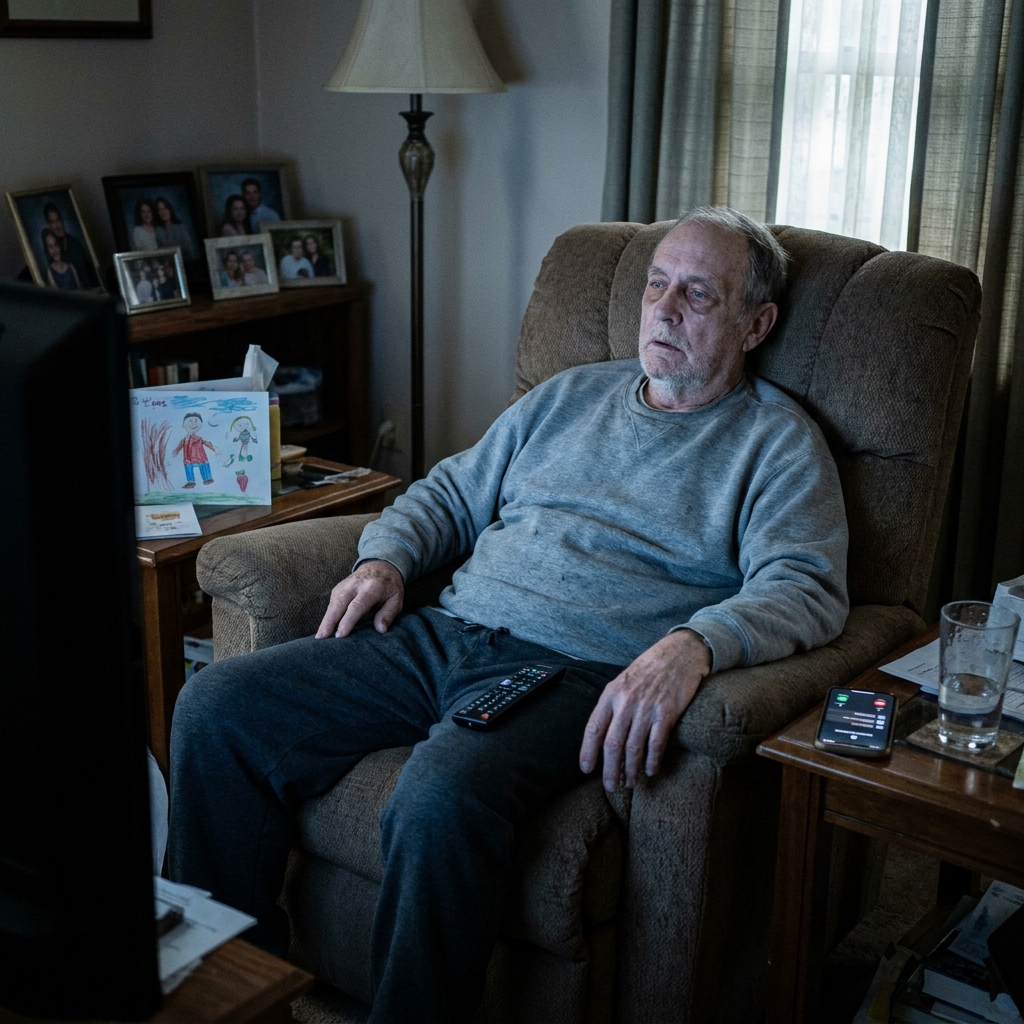
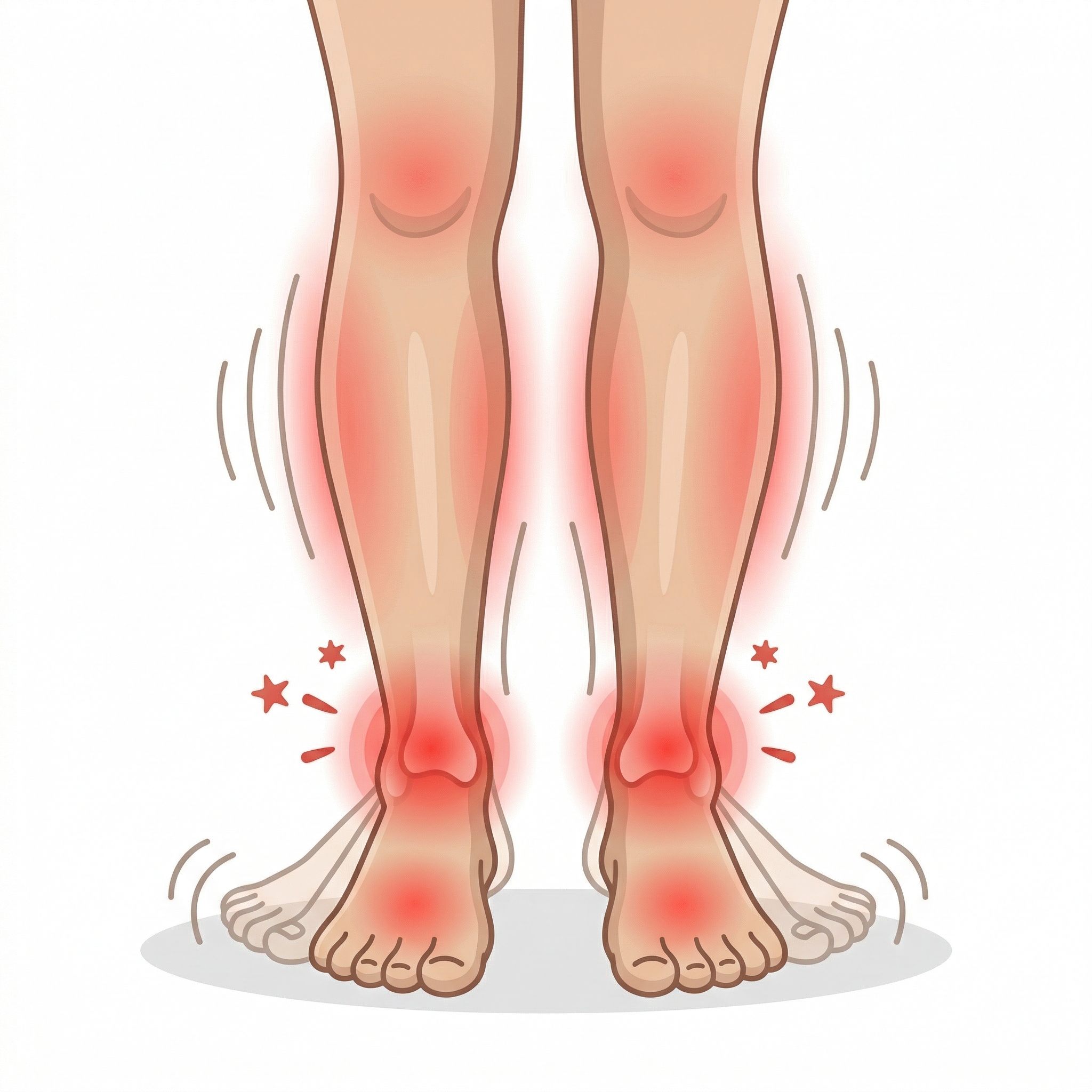
I've been a neurological rehabilitation specialist for 22 years. And if your legs won't stop moving, your feet jerk and twist without your permission, and your neurologist keeps telling you "it's a side effect of your meds"... I'm about to tell you exactly what they're missing and why adjusting your pills will NEVER fix what's happening in your legs. And by the end of this, you're going to understand what's actually going on in your body better than most of your doctors do. My name is Dr. Steven Jones. Board-certified neurological rehabilitation specialist. Twenty-two years treating movement disorders including Parkinson's. Over 3,100 patients. And I'm going against the grain of my own profession to tell you this. Because there are three things happening right now: One - The very pills keeping your Parkinson's under control are causing your legs to move on their own Two - The medical system's only answer is to reduce the dose that's keeping you mobile, which brings back the freezing and stiffness And three - Nobody is addressing what's actually happening in your legs because there's no pill for it So let me tell you what happened with one of my patients, because his story is going to change how you understand dyskinesia forever. His name was Frank. 69 years old. Diagnosed with Parkinson's seven years ago. For TWO years - and I mean two full years - he'd been trapped between two nightmares. It started subtly. A restlessness in his right leg about an hour after his levodopa dose. A fidgeting he couldn't quite control. He thought it was just nerves. Then it got worse. Within six months, his legs were writhing, jerking, and twisting for up to two hours after every dose. His feet would kick out without warning. His legs would twist and squirm like they belonged to someone else. He'd be sitting at the dinner table and his knee would jerk upward, rattling the plates. He'd be in church and his legs would start swaying, drawing stares from the pew behind him. One evening at his granddaughter's birthday dinner, his leg jerked so hard it knocked a glass of juice off the table and onto her lap. The table went silent. His granddaughter looked scared. Frank excused himself and sat in the car for forty minutes. Alone. He stopped going to restaurants because he couldn't keep his legs still under the table. Stopped going to church because the involuntary movements made people uncomfortable. Stopped sitting on the couch with his wife because his legs would kick and twist against hers. He started eating dinner alone in his study with the door closed so nobody had to watch. His wife found him crying in the bathroom one night. "I can't control my own legs. They move without me. What's happening to me?" And here's the thing nobody explains properly about dyskinesia: It's not your Parkinson's doing this. It's your PILLS. The levodopa that controls your tremor and stiffness is the same thing causing your legs to jerk and writhe. The very treatment keeping you mobile is simultaneously making you lose control of your own body. You're trapped. Without the pills: frozen, stiff, unable to move. With the pills: your legs flailing, kicking, twisting without your permission. There's no comfortable middle ground. And every year, that window between "not enough" and "too much" gets narrower. And here's what makes me angry: I was one of the specialists he came to see. Multiple doctors. His neurologist. A movement disorder specialist. Me - the rehab expert. We're talking thousands of dollars in appointments, dose adjustments, trials of different combinations, the works. And you know what every single one of us did? Adjusted his pills. Again. "Let's lower your levodopa to reduce the dyskinesia." "Let's try extended-release to smooth out the peaks." "Let's add amantadine to take the edge off." "Have you considered DBS? We could drill into your skull for $65,000." DRILL INTO HIS SKULL. This man's legs were moving on their own and our best options were either reduce the pills that kept him mobile, add MORE pills with more side effects, or brain surgery. But here's where it gets worse - and this is the part that changed everything for me. We reduced his levodopa. And the dyskinesia calmed down. But you know what came roaring back? The freezing. The stiffness. The tremor. He went from legs that wouldn't stop moving to legs that wouldn't move at all. We tried amantadine. Within a week he was seeing things that weren't there. Vivid hallucinations. His wife was terrified. We stopped it immediately. We tried extended-release levodopa. The peaks were slightly smoother but the dyskinesia was still there, just spread across more hours of the day instead of concentrated in sharp bursts. I watched this man bounce between frozen and flailing for eight months. Every adjustment that helped one problem made the other worse. Every new pill brought new side effects. Every appointment ended with "let's try something different" while his life got smaller and smaller. And I didn't understand why we couldn't find a middle ground. Until a movement disorder physiotherapist at a conference said something that stopped me cold. June 2023. San Diego. World Parkinson Congress. I was attending a session on motor complications of levodopa therapy. The usual discussion. Dose timing. Amantadine. Continuous infusion options. The same solutions that had been failing Frank for two years. After the session, a woman approached me. Early sixties. She moved with a deliberate precision that caught my attention immediately. Her name was Dr. Rachel Osman. Thirty-four years in movement disorder rehabilitation. Specifically focused on levodopa-induced motor complications. One of a handful of specialists in the country who'd dedicated their career to the peripheral effects of dyskinesia rather than just the brain chemistry behind it. She looked at my notes and said something I'll never forget: "You're all trying to control the signal. Nobody's strengthening the legs to handle it." I asked what she meant. "Dyskinesia isn't just a brain problem. Yes, the chaotic dopamine fluctuations from levodopa are sending erratic signals. But the reason those signals cause such dramatic involuntary movement in the legs is because the stabilising muscles have been weakened by years of Parkinson's. There's no muscular counterbalance. The erratic signal fires into weak, unresisted muscles and the result is chaos." She paused. "Every treatment you've tried adjusts the signal. Reduce the dose. Smooth the peaks. Add amantadine. But nobody is building up the muscles that should be absorbing and counteracting that signal. You're turning down the volume on the radio instead of soundproofing the room." She asked if I had fifteen minutes. I gave her two hours. What she taught me completely changed how I understand dyskinesia in the legs. She pulled out her tablet and showed me a diagram of the lower leg muscle groups. "In a healthy neuromuscular system, every movement is a tug of war. When one muscle group contracts, the opposing group provides controlled resistance. That's what makes movement smooth and purposeful. Even when the brain sends an imperfect signal, strong opposing muscles can moderate the response." She tapped the diagram. "In a Parkinson's patient with dyskinesia, that tug of war is completely one-sided. Years of reduced movement, shuffling, and deconditioning have weakened the stabilising muscles in the feet and calves. So when levodopa hits peak dose and the brain starts sending erratic dopamine surges, those signals fire into muscles that have no opposition. No counterbalance. No resistance. The legs just do whatever the chaotic signal tells them to do." She looked at me directly. "You can't fix this by adjusting the signal. You need to build up the muscles that absorb it." Now pause for a second. You know what's maddening about this? Every physiotherapist understands muscle balance. Agonist versus antagonist. It's the foundation of movement science. When one muscle group overpowers another, you strengthen the weak side. You don't just keep suppressing the strong side and hope for balance. But when it comes to dyskinesia? Everyone focuses on the brain. Adjust the dose. Smooth the dopamine. Add a drug. Cut into the skull. Nobody looks at the legs. And that's not an accident. Because once you understand that dyskinesia in the legs has a peripheral muscle component - that the involuntary movements are so dramatic partly because the stabilising muscles can't resist them - you realise why dose adjustments only trade one problem for another. Why amantadine barely takes the edge off. Why Frank kept bouncing between frozen and flailing. Here's what's actually happening in your legs: Your levodopa dose hits peak level. Dopamine surges in the brain. The signal to your legs becomes erratic and excessive. In someone with strong, balanced leg muscles, the stabilising muscles would moderate that signal. The involuntary impulse would be dampened by muscular resistance. But after years of Parkinson's - the reduced movement, the shuffling gait, the deconditioning - your stabilising muscles have been weakened into silence. When the erratic signal arrives, there's nothing to push back. Your legs jerk, twist, kick, and writhe because the muscles that should be controlling and counteracting those movements are too weak to do their job. It's like removing the shock absorbers from a car and then complaining about a bumpy ride. The bumps haven't changed. The ability to absorb them has disappeared. And here's the key thing Rachel taught me: No pill can strengthen a weak muscle. You can't prescribe your way to stronger stabilising muscles. Amantadine works on brain chemistry, not leg strength. Dose reduction trades dyskinesia for immobility. DBS modifies electrical signals in the brain but does nothing for the deconditioned muscles in your feet and calves. The only thing that strengthens a dormant muscle is activation. Forced, repeated contraction. Making the stabilising muscles fire over and over until they're strong enough to counterbalance the erratic signals your pills are producing. And here's the part that made my blood boil: The rehabilitation world KNOWS that electrical muscle stimulation can selectively strengthen weakened muscle groups. We know it activates agonist and antagonist muscles simultaneously, retraining coordinated firing patterns. We know it can rebuild the muscular counterbalance that Parkinson's has destroyed. Published research on EMS in Parkinson's patients shows significant reduction in involuntary movement amplitude. Studies confirm it modulates the peripheral reflex mechanism through Renshaw cell activation, dampening overactive motor responses. A randomised sham-controlled trial showed EMS effectively suppressed involuntary movements in Parkinson's patients with no adverse events. But unless you're an athlete or recovering from knee surgery, nobody applies EMS to Parkinson's dyskinesia. Why? Because pharmaceutical companies don't sell muscle strengthening devices. They sell pills. Amantadine generates recurring revenue. Dose adjustments require ongoing specialist visits. DBS costs $50,000 to $100,000 plus lifetime programming fees. A patient trapped in the dyskinesia cycle pays $400 to $800 monthly between their Parkinson's meds, the amantadine, the specialist appointments, and the physical therapy that never addresses the muscle imbalance directly. Indefinitely. With no resolution. An EMS device that strengthens the stabilising muscles and restores the counterbalance? One-time purchase. The system isn't designed to fix dyskinesia. It's designed to manage the cycle of frozen-versus-flailing forever. Rachel showed me the approach for restoring muscular counterbalance in dyskinetic Parkinson's legs. It involves three specific things happening simultaneously: 1. Targeted activation of the stabilising muscles - EMS sends signals directly to the weakened antagonist muscles in your feet and calves, the ones that should be opposing the involuntary contractions. This forces them to contract and strengthen, rebuilding the resistance your legs have lost 2. Rhythmic agonist-antagonist retraining - the contraction-relaxation cycles teach opposing muscle groups to fire in coordinated alternating patterns again, instead of one side dominating unchecked. Your muscles learn to take turns. Balance returns 3. Peripheral reflex modulation - the rhythmic stimulation activates inhibitory interneurons in the spinal cord (Renshaw cells) that dampen overactive motor neuron firing. This creates a natural braking mechanism against the erratic signals causing the involuntary movements. Your nervous system learns to self-regulate This isn't suppressing the dyskinesia from the brain side. It's building a muscular and neurological system in your legs that's strong enough to handle it from below. And here's the critical difference: unlike dose reduction, EMS doesn't trade one problem for another. You keep your levodopa. You keep your mobility. You keep your tremor and stiffness controlled. But now your legs have the muscular infrastructure to absorb the erratic signals without spiralling into uncontrolled movement. There are actual studies showing that EMS significantly reduces involuntary movement amplitude in Parkinson's patients. Whole-body EMS has been shown to improve muscle strength, endurance, coordination, AND increase nerve growth factor levels in Parkinson's patients. The science isn't experimental. It's published and peer-reviewed. But you'll never hear most neurologists recommend an EMS device for dyskinesia. Because device companies don't fund neurology conferences. Pharmaceutical companies do. So pills get presented. Pills get prescribed. And legs stay weak. Now here's the problem I ran into... Most "foot stimulators" on the market are useless for dyskinesia-related muscle rebalancing. I tried a TENS unit. It tingled the skin. Did nothing for the deep stabilising muscles underneath. Frank said it felt like "buzzing on the surface while my legs kept jerking." I tried a vibrating foot plate. It shook. That's it. No selective muscle activation. No antagonist strengthening. No rebalancing. I tested eight different devices over four months. Spent over $400 on things that either just vibrated the surface or delivered stimulation too weak and too unfocused to reach the specific motor neurons controlling the stabilising muscles. Because here's the thing: vibration and TENS are NOT the same as EMS. TENS stimulates sensory nerves for pain relief. Vibration shakes the skin. Neither of them forces actual muscle contraction. Neither of them selectively activates the weakened stabilising muscles that need strengthening. True EMS sends electrical impulses directly to the motor neurons, forcing real muscle contraction. When applied through a foot plate, it activates muscles through the soles of your feet and up into your calves, engaging the stabilisers, the opposing muscle groups, and the deep muscles that dyskinesia has overpowered. Your foot muscles contract and release rhythmically. Stabilisers engage. Antagonists fire. The muscles that have been overpowered for months or years finally get forced to work. And every session, they get a little stronger. Every device I tested failed at least one of the requirements. Until I found Restural. They had a true EMS foot stimulator. Not a TENS unit. Not a vibrator. Actual electrical muscle stimulation with deep motor nerve penetration that reaches the muscles your Parkinson's has weakened and your dyskinesia has been overpowering. With ALL THREE requirements. Targeted stabilising muscle activation. Rhythmic agonist-antagonist retraining cycles. Peripheral reflex modulation that dampens overactive motor responses. When I dug into the technology? It was based on the exact protocols used in neurological rehabilitation clinics for muscle rebalancing. The same principles used in neuromuscular re-education. The same mechanism that published research has shown reduces involuntary movement in Parkinson's patients. They understood that dyskinesia isn't just a brain signal problem. It's a muscle balance problem. And they built something that addresses the side of that balance that no pill, no injection, and no brain surgery can touch. And here's where I had to face what I'd done to my patients: When Frank was in my clinic? We were adjusting his meds every six weeks. $45 copay per visit. $420 per month in Parkinson's prescriptions including the amantadine that gave him hallucinations. We'd discussed DBS at $65,000. Physical therapy at $150 per session that never targeted the specific muscle imbalance driving his dyskinesia. He was spending over $600 a month. Every single month. Bouncing between frozen and flailing while nobody addressed why his legs couldn't handle the signals his pills were producing. The Restural EMS stimulator? One-time purchase. Under $60. Targets the weakened stabilising muscles your dyskinesia has been overpowering. True EMS that reaches the deep motor neurons in your feet and calves. Rhythmic retraining cycles that restore coordinated muscle firing. 20 minutes a day while sitting in your favourite chair. No dose changes. No new pills. No surgery. Keep your levodopa. Keep your mobility. Build the legs to handle it. I started using it with Frank first. Week 1: The sensation was immediate. He could feel muscles in his feet and calves engaging that he hadn't felt in years. Not the jerking muscles. The OTHER ones. The stabilisers. The ones that should have been opposing the involuntary movements all along. "Something is waking up down there," he said. "Muscles I forgot existed." Week 2: His wife noticed first. "The jerking after his afternoon dose was shorter today. Usually it lasts two hours. Today it was maybe ninety minutes. And it wasn't as violent." The stabilising muscles were starting to push back. Not enough to stop the dyskinesia. But enough to moderate it. To turn the volume down. Week 4: Dyskinesia episodes were noticeably calmer. The wild, flailing leg movements had softened into something more manageable. His legs still moved involuntarily during peak dose, but the movements were smaller, shorter, less violent. He sat through an entire dinner with his wife at a restaurant. A booth. Legs under the table. No kicked glasses. No stares. He held her hand across the table and neither of them said anything about his legs because there was nothing to say. Week 8: Full assessment. Dyskinesia episode duration reduced by 52%. Peak involuntary movement amplitude reduced by 44%. He could sit through a full church service. He could ride in a car without his legs kicking the dashboard. And the best part - his levodopa dose hadn't changed. He still had the same mobility, the same tremor control, the same stiffness relief. But his legs could handle it now. He went to his granddaughter's next birthday dinner. Sat at the table the whole time. His legs stayed calm. When she blew out the candles, he clapped along with everyone else. Nobody looked at his legs. Nobody moved their chair away. He was just a grandfather at a birthday party. His wife told me later: "He came home and sat in his chair and didn't say anything for a while. Then he said, 'My legs behaved tonight.' That's all he said. But it was everything." Then I introduced it to every dyskinesia patient on my caseload. Seventeen patients over the next six months. The results were consistent: Average reduction in dyskinesia episode duration: 48% by week 6 Average reduction in involuntary movement intensity: 41% Number of patients who maintained their current levodopa dose without increasing dyskinesia: 15 out of 17 Number of patients who reported being able to sit comfortably in social situations again: 13 out of 17 Number of patients whose caregivers reported "calmer legs": 14 out of 17 And the compliance rate: 16 out of 17 were still using it daily at six months. Because it's 20 minutes in a chair. Not another pill. Not another appointment. Not just calmer legs. Lives opening back up. Restaurants. Church. Family dinners. The places dyskinesia had stolen from them. That's the one that matters. This is what they're not telling you about. Because the second you start strengthening the stabilising muscles in your feet and legs, the balance starts to shift. The involuntary movements get smaller. Shorter. Less violent. Not because you've changed your pills. Because your legs can finally handle what your pills are doing to them. You don't stop your meds. Levodopa is essential. But now your pills are landing in legs that have the muscular counterbalance to absorb the erratic signals instead of being overwhelmed by them. It's not a cure for dyskinesia. Nothing short of stopping levodopa would do that, and stopping levodopa isn't an option. But it gives you something no pill can give you - a third option between frozen and flailing. Now here's what I need you to understand about timing: The longer your stabilising muscles stay weak, the worse the dyskinesia gets. And the worse it gets, the less you move, which makes the muscles even weaker. It's a downward spiral. Year 1 of dyskinesia: Stabilising muscles are weakened but very recoverable. EMS response is rapid. Most patients see meaningful improvement within 4-6 weeks Year 1-3: More significant deconditioning. The imbalance is deeper. 6-10 weeks for significant improvement. But still very achievable Year 3+: Substantial muscle wasting. Recovery is slower and may not be as complete. 10-14 weeks with realistic expectations. But every patient in our group still improved Frank was at year 2. He responded beautifully. But the patients who'd been living with dyskinesia for 4+ years showed slower improvement. The stabilising muscles had been dormant longer. They still got stronger. The dyskinesia still calmed. But it took longer and the improvement wasn't as dramatic. Every month you wait, the imbalance deepens. And here's the thing that makes this urgent: dyskinesia typically gets WORSE over time as levodopa doses increase with Parkinson's progression. The erratic signals get stronger. If your stabilising muscles are already too weak to handle the current level, they'll be even more overwhelmed as your doses climb. Building the counterbalance NOW isn't just about today's dyskinesia. It's insurance against tomorrow's dose increase. If you're reading this and your legs have been jerking, twisting, or flailing for over six months - your stabilising muscles are getting weaker every month. The imbalance is deepening. And no pill adjustment is going to strengthen them. If you're someone who's been dealing with this - legs that won't stay still, feet that kick and twist, the humiliation of losing control of your own body, the impossible choice between frozen and flailing - and your dose adjustments keep trading one nightmare for another? It's not because your pills are wrong. It's not because you need more pills. It's because your legs don't have the muscular counterbalance to handle what your pills are doing. The stabilising muscles are too weak to resist the erratic signals. And nobody is strengthening them. The Restural EMS Stimulator has a 90-day money-back guarantee - if it doesn't help, you pay nothing. And honestly? Even if you're sceptical, try it for a month. See if your legs respond the way Frank's did. The way 14 out of 17 of my patients did. Because the medical system isn't coming to strengthen your legs. They're too busy adjusting the dose of pills that are causing the problem while ignoring the muscles that could absorb it. A movement disorder physiotherapist taught me more about dyskinesia in two hours than I learned in two decades of neurological rehabilitation. It's about time I passed that lesson on. Go get it. P.S. - I still prescribe levodopa. It's essential. Keep taking it. Dyskinesia is a side effect worth managing, not a reason to stop the pills keeping you mobile. But managing it by adjusting your dose is treating half the problem. The other half is in your legs. EMS addresses the half your pills can't. P.P.S. - If your dyskinesia has been getting worse for over a year, your stabilising muscles are weaker now than they were six months ago. They'll be weaker still six months from now. And your levodopa dose will probably go up. Build the counterbalance before the imbalance gets deeper. Don't wait for your next dose adjustment to trade freezing for flailing again. P.P.P.S. - Frank: "I sat through my granddaughter's birthday dinner. The whole thing. My legs didn't kick the table once. Nobody moved their chair. Nobody stared. I was just a grandfather at a birthday party. $60. That's what it cost to get my dignity back. Don't wait like I did."
Relieve Dyskinesia - Naturally
3-in-1 EMS Clinically designed to alleviate Dyskinesia, freezing, dystonia...
LEARN MORELike this ad? Make it yours.
Crush rebuilds this exact creative around your product — your brand, your colors, your offer — in about a minute.