
Inactive· since May 29, 2026
- 68
- days it ran
- 0
- relaunches
Ad copy
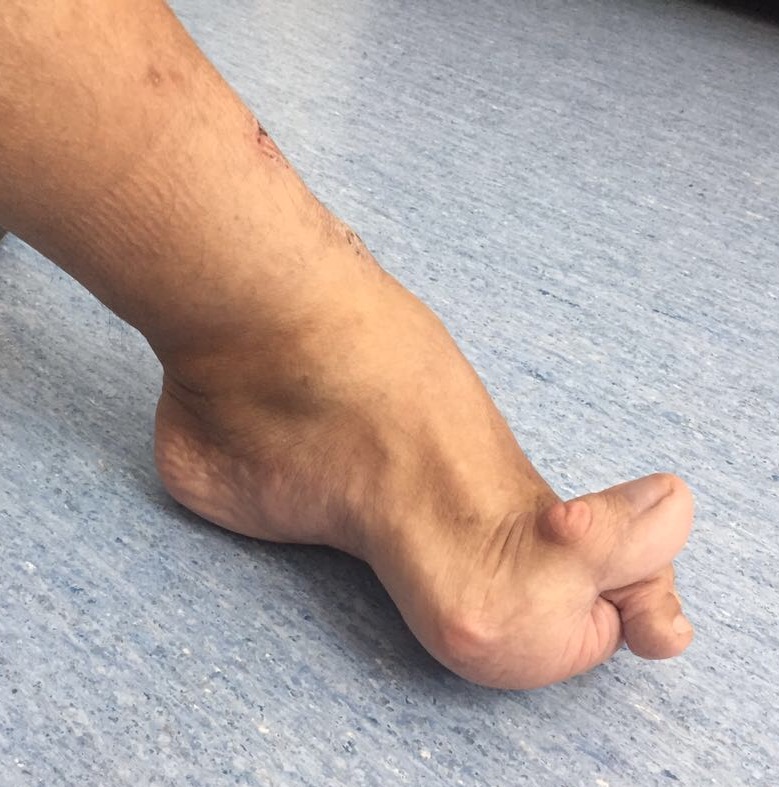
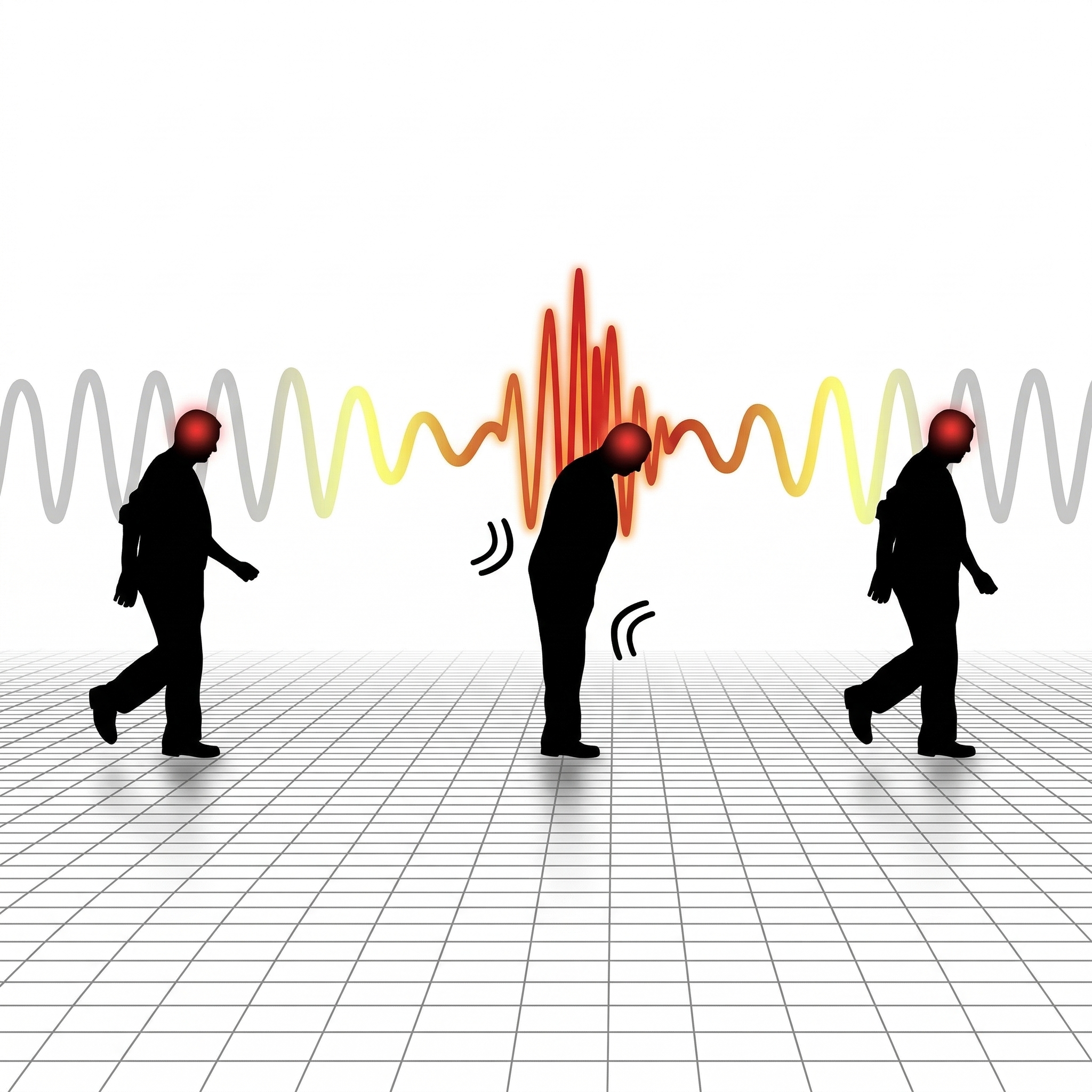
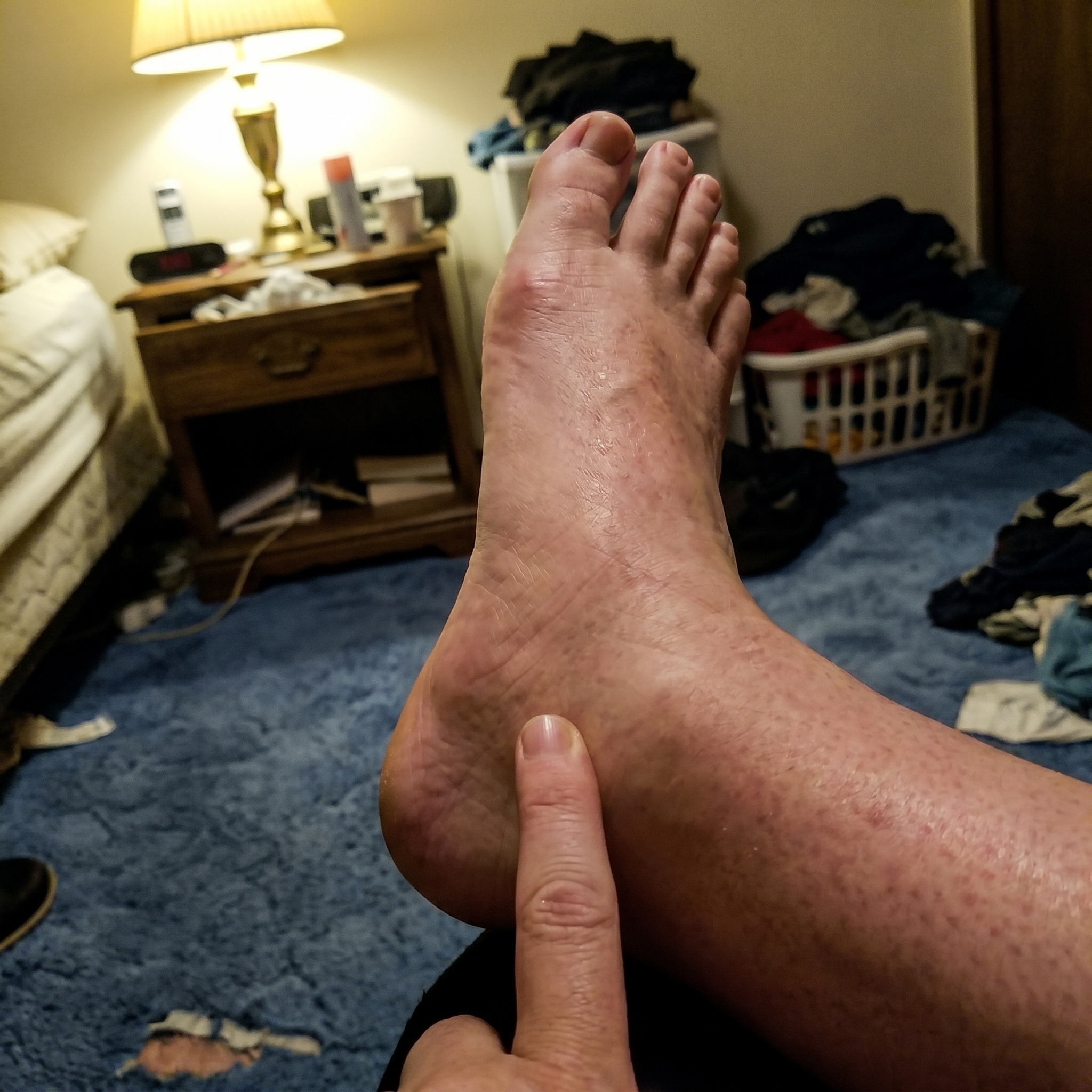
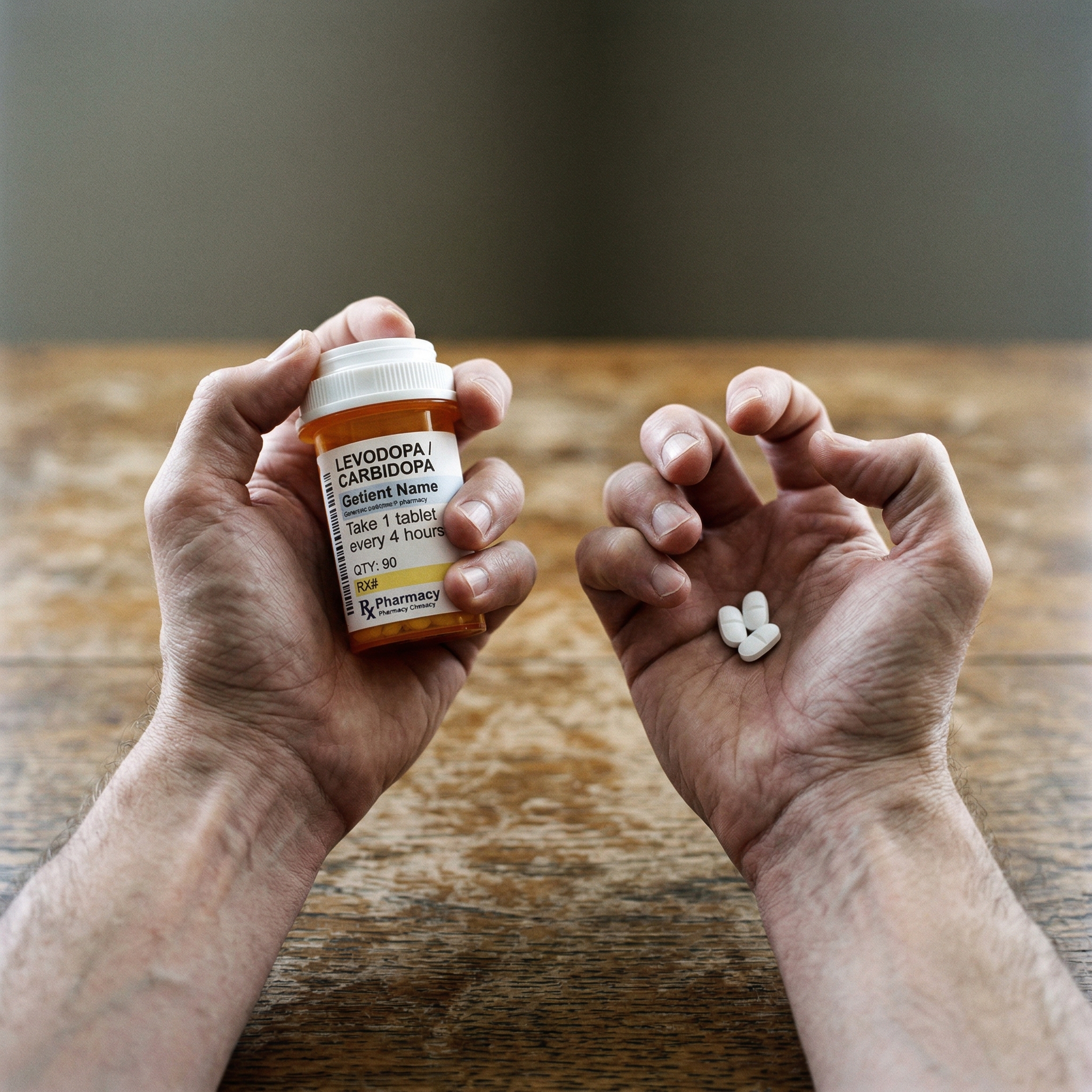
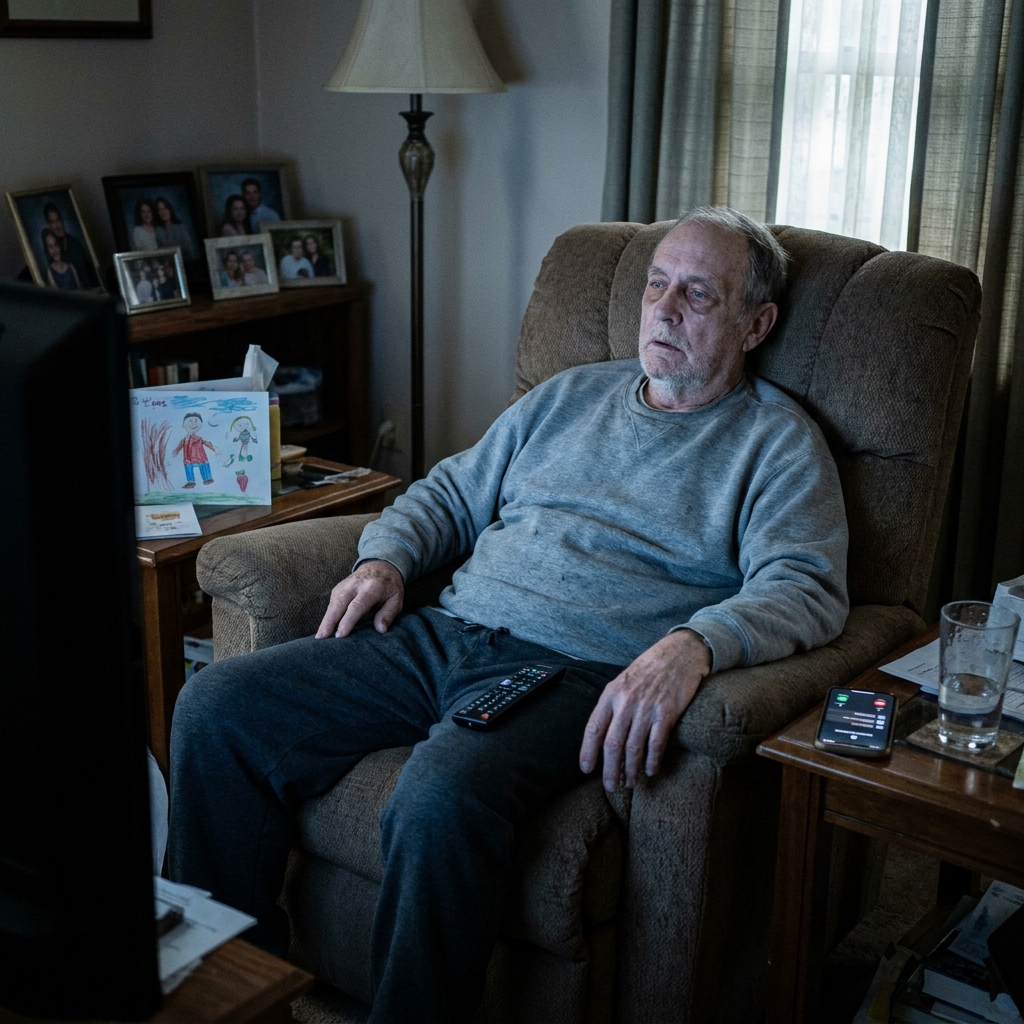
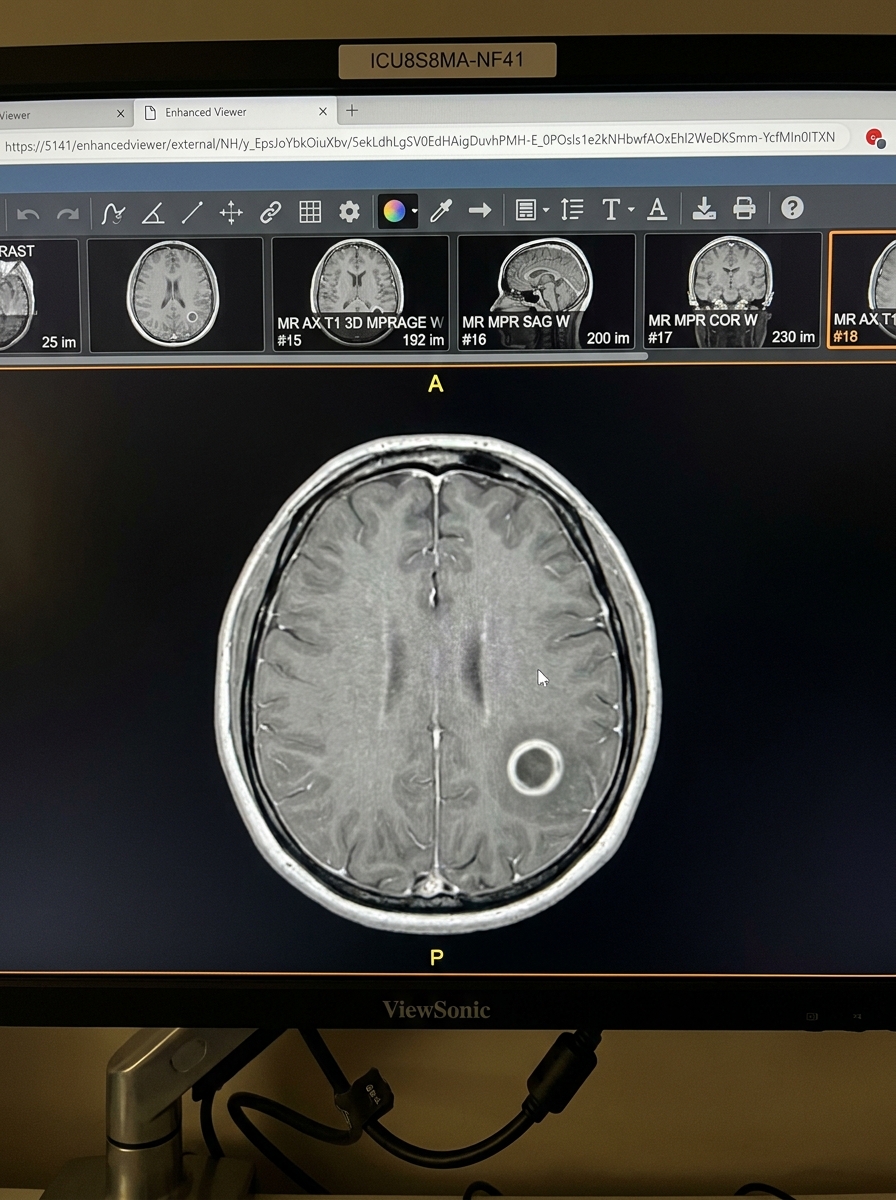
I had a patient who did everything wrong for twelve years. Skipped doses when he forgot. Cancelled physiotherapy when he didn't feel like going. His neurologist called him the least compliant patient on the entire caseload. He was still walking independently at year fifteen. My most compliant patients do the opposite. They take every pill on schedule, show up for every appointment, and follow every instruction to the letter. Some track their doses in colour-coded spreadsheets and never miss a single session. And their toes keep curling into cramps so painful they can't straighten them. Their feet keep freezing to the floor in doorways. The fog keeps rolling in thicker every month until conversations feel like thinking through wet cement. Their "on" periods keep shrinking from four hours to three to barely two before the stiffness, the cramping, and the freezing all creep back in at once. The dystonia keeps getting worse between Botox injections. The fatigue pins them to the couch by early evening. They're doing everything right. And they're getting worse anyway. For the first twelve years of my career I assumed the difference was purely genetic, and I was wrong about all of it. I'm a clinical neurological rehabilitation specialist. Twenty-two years, over 3,100 Parkinson's patients. And for the last eight years I've been trying to answer one question that none of my training prepared me for: why do some patients stabilise while most keep declining despite "optimised" medication? Let me tell you about the patient who finally showed me the answer. His name was Richard, seventy-one years old, and my most methodical patient by far. The one with the colour-coded spreadsheet tracking every pill, every dose, and every symptom for six straight years. He could tell you the exact minute his levodopa wore off on any given Tuesday in March. His neurologist called him the most compliant patient on the entire caseload. Five different medication combinations over two years. Botox injections every 12 weeks for the dystonia in his feet. Gabapentin for the cramping pain. Thousands of dollars in specialist visits. And his son still flew in from Denver with pamphlets for assisted living facilities. Sat at the kitchen table crying while Richard watched his own surrender being planned in front of him. His toes kept curling into cramps so painful he couldn't straighten them. His feet kept freezing to the floor in doorways. The fog kept rolling in thicker every month. His "on" periods shrank from four hours to three to barely two before the stiffness, the freezing, and the cramping all crept back in at once. He was the most compliant patient I had, and he was declining faster than patients who barely followed their protocols. I watched this happen for two years before I finally understood why. Because when I started tracking outcomes more carefully across my entire caseload, the pattern I found changed everything. The patients who stabilised weren't genetically different, weren't younger at diagnosis, and weren't on superior medication protocols. They weren't more compliant than Richard. But something was protecting their brains in a way that medication alone couldn't explain. I spent three years trying to identify what it was. It wasn't until I looked past the medication protocols and started examining what was happening underneath them that I finally understood what every one of us in neurology had been missing. And once I saw it, I couldn't unsee it. Your brain has a factory that produces dopamine. The neurons in that factory are what keep you walking, keep your muscles from cramping, keep your mind clear, keep your "on" periods lasting. Parkinson's medication ships dopamine into your brain from outside. Levodopa has been the gold standard for 60 years and it remains essential, which is why you should keep taking it. But levodopa does absolutely nothing about the three things that are actively destroying the factory itself. Think of it this way. Imagine the factory is on fire. Levodopa is a delivery truck that keeps dropping off dopamine at the loading dock. Useful, because the factory still needs dopamine to function. But while that truck is making deliveries, the fire is still burning. The factory walls are still collapsing. The machinery is still melting. And with every passing month, there's less and less factory left for those deliveries to land in. That fire is real. It's not a metaphor. Number one: chronic neuroinflammation. There's a persistent inflammatory response in your brain driven by overactive immune cells called microglia and toxic alpha-synuclein protein buildup. Yale School of Medicine confirmed this in 2024, finding elevated T cells and microglia throughout Parkinson's brains. This isn't a new theory. Over 25 clinical studies have confirmed significant elevation of inflammatory markers in the blood and cerebrospinal fluid of Parkinson's patients. That inflammation is killing neurons across the board. Motor neurons that control your muscle tone, gait neurons that send the walking signals your feet depend on, and cognitive neurons that keep you sharp and present in conversations. Same fire, different rooms of the house burning. That's why the cramping and the freezing and the fog are all getting worse at the same time. They're not separate problems with separate causes. They're the same underlying problem showing up in different places. And not a single pill you take addresses the fire itself. Number two: oxidative stress. The inflammatory process produces massive amounts of free radicals that attack and damage surrounding healthy neurons. Your brain is rusting from the inside. The damaged neurons release more toxic protein, which triggers more inflammation, which produces more free radicals, which damages more neurons. It's a self-sustaining cycle that accelerates over time. Your medication doesn't touch it. Number three: neurotrophic depletion. By the time you're diagnosed with Parkinson's, you've already lost 60 to 80 percent of your dopamine neurons. The survivors are working overtime to compensate. But without adequate neurotrophic support, without the growth factors these neurons need to maintain function and repair themselves, they can't keep up. Motor neurons burn out, gait neurons burn out, cognitive neurons burn out. Not because of dopamine deficiency, but because nobody is feeding the cells that are still alive. When I finally understood this, I went back and looked at Richard's chart with new eyes. We had treated him with levodopa for the dopamine, Botox for the toe curling, and gabapentin for the cramping pain. Three separate treatments for three symptoms that all shared a common root cause. And meanwhile the neuroinflammation driving all of it went completely unaddressed for six years. Richard's toes were curling because the neurons controlling muscle tone were dying. His feet were freezing because the neurons sending walking signals were dying. And the fog was getting worse because neurons across his brain were being destroyed by the same three untreated mechanisms. We were managing the branches while the trunk rotted. And I was one of the specialists doing it. So I went back to the patients in my records who had stabilised or declined more slowly than expected. I pulled their files, compared every protocol, and examined every variable I could measure. Same medications as the patients who declined, same dosages, same therapy schedules across the board. The only consistent difference I could find was this: the patients who stabilised were all taking some form of neuroprotective supplementation that addressed at least one of the three untreated factors. Most had stumbled into it accidentally. A spouse found an article about lion's mane and nerve growth factor on the Michael J. Fox Foundation website. A daughter ordered Chaga extract after reading about antioxidant research. A patient started Reishi for sleep and noticed his morning stiffness improved. None of them were taking anything designed to address all three factors simultaneously. And none of their neurologists had recommended any of it. But even partial, accidental coverage of those three mechanisms was producing measurably better outcomes than medication alone. That's when I understood what the 90 percent who declined had in common: their medication was managing their dopamine, and absolutely nothing was managing the neuroinflammation, the oxidative stress, or the neurotrophic depletion underneath. That's when I started testing neuroprotective supplementation systematically. I tried generic lion's mane capsules from Amazon first. Underdosed, no standardised extract, and no measurable effect on dystonia or freezing in any of the patients who trialled them over six weeks. I tried a "cognitive support" supplement stack a colleague recommended. Fourteen pills a day on top of the pills they were already taking. Half the ingredients had no relevance to neuroinflammation or motor neuron protection. Richard took one look at the pile and said "I already take enough pills to fill a pharmacy. And now you want me to add fourteen more?" He tried it for three weeks and then the bottle sat untouched on his counter. I tested eight different supplements and blends over six months. Most were either too weak to produce a clinical response, too unfocused to address all three mechanisms, or required swallowing so many capsules that nobody actually kept taking them. And a supplement sitting in a cabinet does nothing for neuroinflammation. Because not all mushroom products are equal. A generic capsule with a sprinkle of mushroom powder does nothing therapeutic. The bioactive compounds need to be in concentrated extract form, at doses high enough to actually cross the blood-brain barrier and produce a measurable neuroprotective effect. And they need to target all three factors simultaneously: the inflammation, the oxidative damage, and the neurotrophic depletion. A single-mushroom supplement only hits one target. A random "brain health" blend throws ingredients at the wall without any systematic approach to the three mechanisms that matter. Neither addresses the problem the way it needs to be addressed. Every product I tested failed at least one of those three requirements. Until I found NeuroFuel. A 4-in-1 adaptogenic mushroom coffee combining Chaga, Lion's Mane, Reishi, and Cordyceps in a single daily cup, blended into premium Blue Mountain coffee that tastes like coffee and nothing else. Chaga for the neuroprotective shield. It carries the highest antioxidant activity of any medicinal mushroom studied, crosses the blood-brain barrier, and directly combats the neuroinflammation that's destroying your neurons. It modulates those overactive immune cells from "destroy" mode back to "protect" mode, neutralising free radicals and reducing oxidative damage at the source. Address the inflammation and you address the root cause behind the dystonia, the freezing, and the cognitive decline simultaneously. Lion's Mane for neurotrophic support. It stimulates production of nerve growth factor that surviving motor and cognitive neurons desperately need to keep functioning at capacity, helping them produce more dopamine naturally and maintain the neural connections your mobility depends on. Not replacing dopamine from outside like levodopa, but helping your remaining neurons work better from the inside. Reishi for immune modulation and deep recovery. It reduces the chronic stress response that accelerates progression and promotes the deep restorative sleep the brain needs for neural repair. Poor sleep is one of the most common complaints in Parkinson's, and it creates a vicious cycle where worse sleep feeds faster progression which feeds worse sleep. Reishi helps break that cycle. Cordyceps for energy and oxygen delivery. It boosts oxygen utilisation at the cellular level and combats the crushing fatigue that drains most Parkinson's patients by midday. The freezing, the rigidity, the shuffling gait all drain your energy reserves, and Cordyceps helps reclaim the physical stamina that Parkinson's has been stealing from you. And the delivery mechanism solved the biggest problem I'd encountered with every other supplement: compliance. It's a cup of coffee that replaces the one you're already drinking. Not more pills, not another bottle gathering dust on the counter. A morning ritual you're already doing, now carrying four neuroprotective compounds into your brain while you drink it. Richard's exact words when I showed it to him: "You mean I just drink my coffee and it helps my brain?" That's what real compliance looks like, a product that actually gets used. And that distinction matters more than any other variable, because the most perfectly formulated supplement in the world does nothing if it sits untouched in a cabinet. I started Richard on it first. Told him not to expect anything dramatic because this isn't levodopa and it doesn't flip a switch. The compounds build up gradually as the neuroprotective and neurotrophic effects accumulate. Day 1 to 5: Sleep shifted first. Not longer sleep, but deeper and more solid, the kind where you wake up and realise you didn't thrash around all night. His wife said he stopped jolting awake at 3 AM for the first time in over a year. The morning dystonia in his right foot was still there on waking, but it released faster than it had in months. He said the fog felt "a little thinner" in the early mornings. Nothing anyone would call dramatic, but something was clearly responding. Day 6 to 10: His wife noticed before he did. "You're moving differently," she told me at their next visit. And she was right. Getting out of bed wasn't the 10-minute negotiation it had become. His first steps were steadier and the morning shuffle was shorter. The dystonia episode that greeted him every morning lasted 8 minutes instead of 20, and his afternoon energy crash hit later than usual. For someone who'd been declining for two years straight, even a shift in the wrong direction slowing down would have been worth noting. This was a shift in the right direction. Day 11 to 15: The fog started lifting. Richard sat in my office and described his symptoms with more clarity and detail than he had in over a year. His word recall was noticeably better and he was processing questions faster. The fog hadn't vanished, but it had pulled back enough that he said he felt like himself for the first time in months. His "on" periods were lasting noticeably longer without the brutal peaks and crashes he'd been living with. The freezing episodes dropped from daily to a few times per week. And the dystonia was still present during medication transitions, but shorter and less intense. "My foot is fighting back now," he said. "Before it would just surrender." Day 16 to 21: He put on real shoes for the first time in four months. Laced them up himself. Walked to the end of his drive and stood there looking at the street. His wife watched from the window and didn't reach for her phone. His "on" periods had extended by nearly two hours. Freezing episodes had dropped by more than half. The cramping pain that had been a 7 out of 10 was sitting at a 3. His processing speed improved by 22 percent and word recall improved by 31 percent. He called his son and told him to cancel the assisted living tours. He took his grandchildren to the park and actually walked with them on the path, not shuffling behind while they waited. His grandson reached up and held his hand, not to steady him, but because that's what grandfathers and grandsons do. His wife stopped sleeping with her phone on the nightstand. Then I introduced NeuroFuel to every Parkinson's patient on my caseload. Twenty-one patients over the next six months. One of them is a 74-year-old woman whose feet had been freezing in doorways multiple times a day for three years. Her husband had become what he called "a pseudo-security guard," standing behind her everywhere she walked in case she pitched forward. By week three on NeuroFuel, the freezing episodes had dropped by more than half. Her husband said he caught himself standing at the kitchen counter reading the newspaper instead of hovering behind her, and he hadn't read a newspaper standing still in two years. Another patient is a 69-year-old man whose dystonia had become so severe that his right foot twisted inward with every step. His toes would clench mid-stride and send shooting pain up his calf, and he'd stopped walking his dog because every step had become unpredictable. By week four, the dystonia episodes were shorter, less intense, and the pain had dropped enough that he started walking to the end of his street and back again. His dog didn't understand what had changed, but the tail wagging said enough. A 72-year-old retired engineer whose wife said the worst part wasn't the freezing or the cramping. It was watching her husband forget the names of tools he'd used for forty years. The words would hang just out of reach and you could see the frustration in his eyes every time he grasped for one. By week three, he was naming them again, not perfectly, but the words were coming back faster than they'd been leaving. He started a small project in his garage for the first time in over a year. His wife said it was the first time his eyes looked like his. The results across all twenty-one patients held a consistent pattern. Freezing episodes dropped by an average of 47 percent while dystonia intensity and duration reduced by 41 percent. Self-reported cognitive clarity improved by an average of 34 percent by week six, and seventeen out of twenty-one caregivers independently reported seeing improvement before the patients mentioned it themselves. And twenty out of twenty-one were still drinking it daily at six months, because it's coffee, not another medical obligation in a life already full of them. And here's what almost every patient said around week three: "I didn't realise how bad it had gotten until I started feeling more like myself again." Because the decline happens so gradually that you stop noticing it. Your "on" period shortens by fifteen minutes and you adjust your schedule around it. Then it shortens by another fifteen. And somewhere along the way, two hours of reliable movement became your normal instead of four. The fog rolls in a little thicker one month and you compensate by writing yourself more notes, asking your wife to repeat things, stopping yourself from trying to follow conversations while walking because your brain can't manage both at once anymore. And somewhere along the way you accepted that this is just what Parkinson's does. The dystonia starts as an occasional morning cramp and you stretch it out. Then it's every morning. Then it's multiple times per day with shooting pain that makes you afraid to take a step. And somewhere along the way, waking up with your toes curled into a fist became just another part of the routine. But it's not routine, and it's not just ageing, and it's certainly not inevitable. It's what happens when chronic neuroinflammation, oxidative stress, and neurotrophic depletion go unaddressed for years while your medication manages the dopamine and nothing manages the fire underneath. And here's what you need to understand about timing. By the time you're diagnosed with Parkinson's, you've already lost 60 to 80 percent of your dopamine neurons. The ones you have left are the ones your mobility, your cognition, and your independence all depend on. Every single one of them matters. And every day that neuroinflammation goes unchecked, more of them are lost, not temporarily suppressed and not waiting to recover, but permanently destroyed. With every neuron lost, your medication becomes a little less effective, because there are fewer and fewer neurons left to respond to it. Your medication isn't failing you. Your brain is losing the neurons that make your medication work. The patients I started within the first three years of diagnosis responded more dramatically across the board. Freezing improved faster, dystonia responded sooner, and cognitive improvements were more sustained. The earlier you start protecting your brain, the more brain there is to protect. Richard was at year six and he responded meaningfully. But his window was narrower than it needed to be, because for six of those years every specialist he saw, including me, was treating his symptoms while the root cause burned underneath all of it. If your dose adjustments and Botox appointments were going to stop the decline, they would have stopped it by now. NeuroFuel costs less than $1.35 per cup. One cup per day, swapped in for your morning coffee. Not another pill bottle on the counter, not another injection appointment on the calendar, and not another specialist visit on your schedule. Just coffee that addresses the neuroinflammation, the oxidative stress, and the neurotrophic depletion that your current treatment protocol doesn't touch. It works alongside your levodopa, not instead of it. Your medication manages dopamine and NeuroFuel protects the neurons your medication depends on. They're doing different jobs. There's a 90-day money-back guarantee. If nothing shifts in your first three weeks, send it back, even if the bag is empty. Full refund, no questions asked. But if the pattern holds, and for seventeen out of twenty-one of my patients it did, three weeks from now your fog will start lifting, your "on" periods will start stretching longer, your freezing will get less frequent, and the dystonia will start losing its grip. Not because you changed your medication or found a miracle. Because for the first time, someone addressed the root cause behind all of your symptoms instead of treating each one separately while the fire kept burning underneath. Richard's grandson held his hand at the park. Not to steady him. Because that's what grandfathers and grandsons do. $1.35 a day is what it cost him to start feeling like himself again. Don't wait like he did.
Relieve Parkinson's FOG - Naturally
Clinically designed 4-in-1 adaptogenic blend developed to finally free you from freezing...
LEARN MORELike this ad? Make it yours.
Crush rebuilds this exact creative around your product — your brand, your colors, your offer — in about a minute.